Superior Strength Titanium For Durable UAV Components

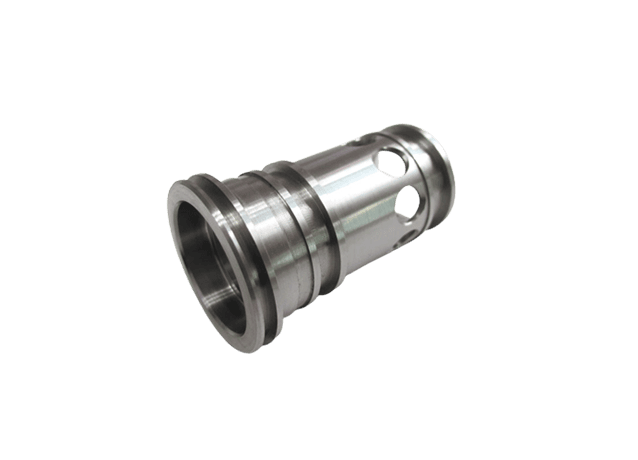
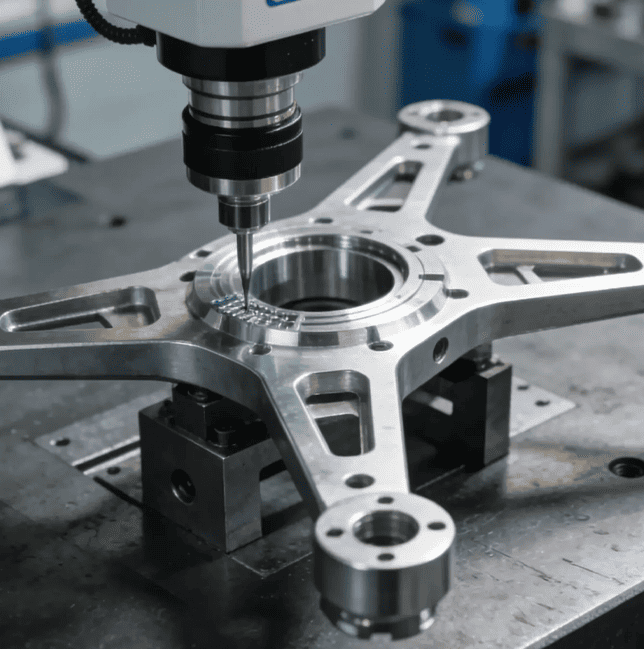
Our CNC facility masters the complexities of titanium for drone CNC parts, maintaining ultra-tight ±0.005 mm tolerances.

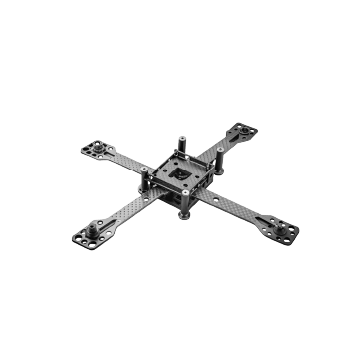
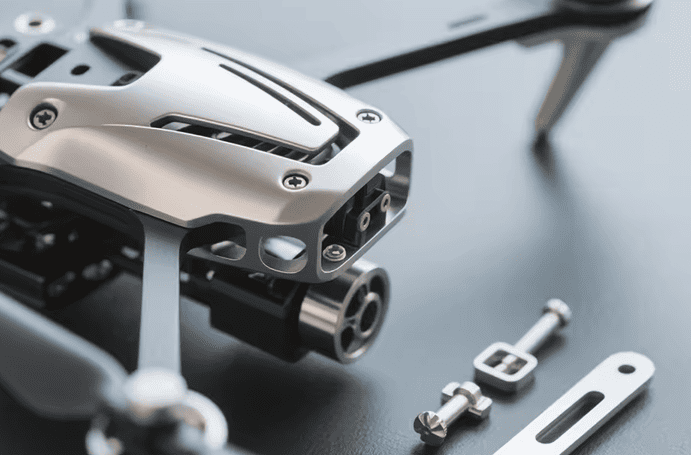
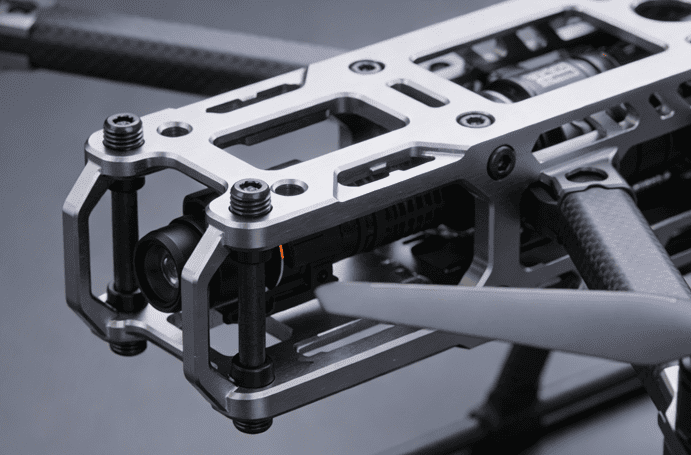
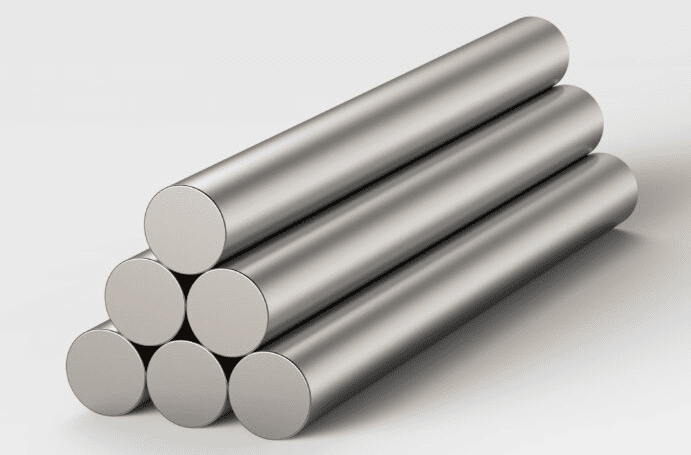
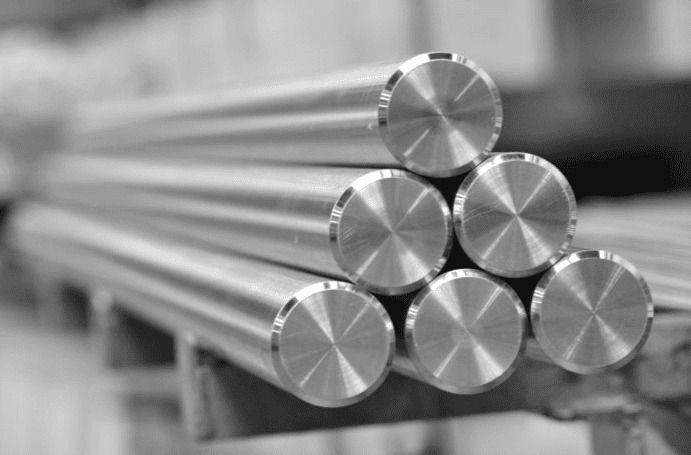
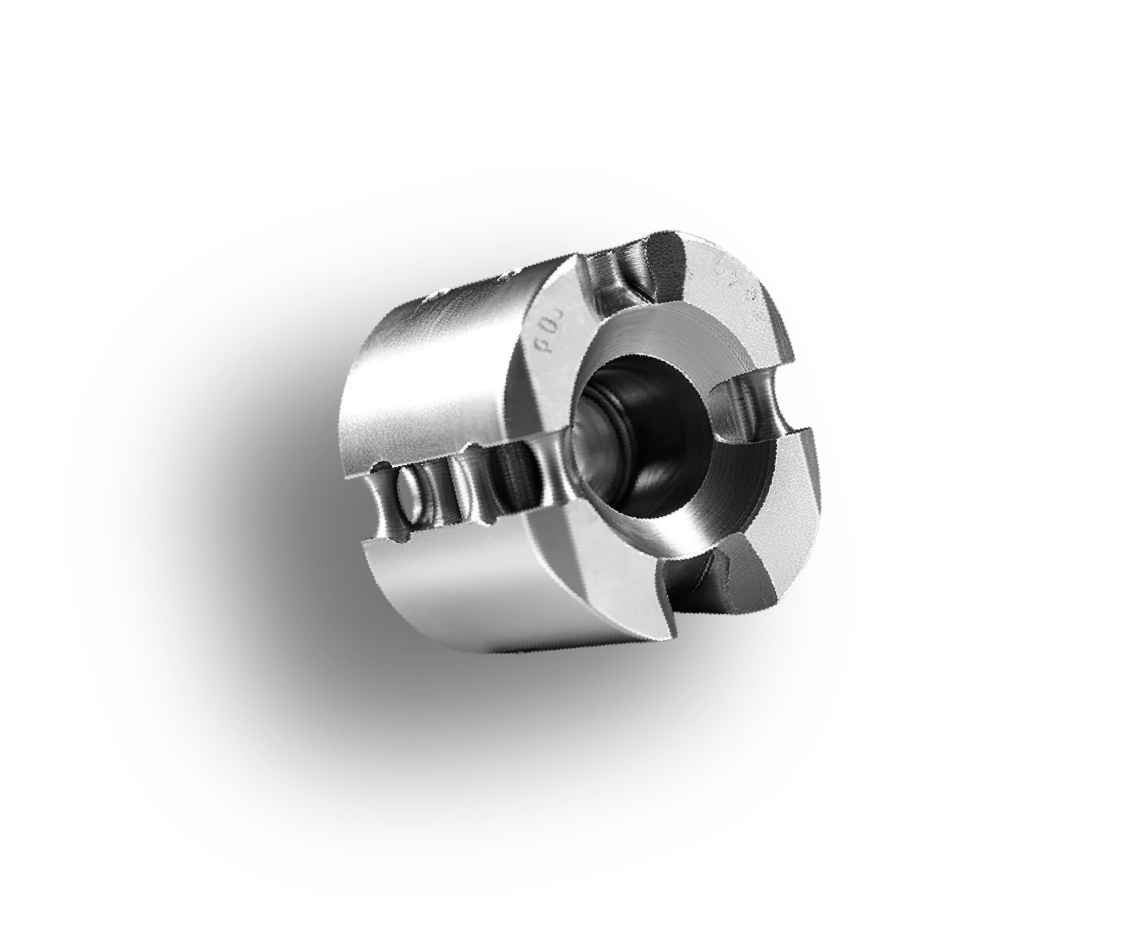
Using Grade 5 alloys, we produce frames and fasteners with a high strength-to-density ratio of 288 kNm/kg, significantly outperforming aluminum in high-stress maneuvers. We utilize specialized tooling to combat titanium’s elasticity, ensuring component integrity under extreme 600°F heat.

Request a Quote

CNC Parts for Surveillence Drones

Coactique aliquotiens nostri pedites ad eos persequendos scandere clivos sublimes etiam si lapsantibus

Advantages of Titanium for
CNC-Machined Drone Parts

Extreme Weight Efficiency
Using titanium for drone CNC parts allows engineers to shed unnecessary mass while maintaining rigid structural integrity. This specific density advantage directly boosts flight duration and payload capabilities, making it superior for heavy-lift UAVs requiring high-performance efficiency.
Marine-Grade Durability
Titanium is naturally immune to saltwater corrosion and oxidation, outperforming treated aluminum in coastal conditions. We machine these components for drones performing offshore inspections, ensuring the hardware remains pristine and structurally sound despite constant exposure to moisture.
Thermal Stress Management
These CNC parts maintain their shape and strength when exposed to the intense heat generated by high-power drone motors. This thermal resilience prevents the warping or expansion that often causes mechanical failure in precision-fit assemblies during long-range operations.
Exceptional Fatigue Life
Titanium's unique ability to withstand repetitive vibrations makes it perfect for high-RPM motor mounts and rotor hubs. Our parts resist the microscopic cracking typical of other metals, ensuring a longer operational lifespan for mission-critical drone hardware.

What Our Customers Say

  • Switching to titanium for drone CNC parts reduced our airframe weight by nearly 20% without losing rigidity. The precision on the motor mounts was flawless, directly improving our flight stability and battery efficiency during long-range inspection missions.

    Marcus Thorne

    Lead Aerospace Engineer

  • We struggled with component warping near the exhaust on our industrial UAVs until we integrated these titanium parts. The thermal resilience is outstanding; even after six hours of continuous operation, the structural integrity and alignment remain exactly within spec.

    Faith Williams

    Industrial Drone Fleet Manager

  • Operating in coastal environments usually destroys our hardware within months. These CNC-machined titanium components have completely eliminated our corrosion issues. The parts look and perform like new despite constant salt-spray exposure. Truly the best investment for our maritime fleet.

    Travis Lowe

    Operations Director

Frequently Asked Questions

How do you manage titanium’s low thermal conductivity during machining?
We utilize high-pressure localized coolant systems and specialized carbide tooling to prevent heat buildup. This preserves the material’s metallurgical integrity and ensures the titanium for drone CNC parts remains free of thermal stress or warping.
What tolerances can you maintain for complex drone geometries?
Our CNC centers are calibrated to achieve tolerances as tight as ±0.005 mm. This precision is critical for titanium drone components like bearing housings and sensor mounts, where perfect alignment is required to minimize vibration.
Which titanium grade is most suitable for structural UAV components?
We primarily machine Grade 5 (Ti-6Al-4V) for drone applications. It offers the optimal balance of a 1200 MPa tensile strength and low density, providing the high strength-to-weight ratio that aerospace engineers demand for airframes.
How do you address the "springback" effect of titanium during fabrication?
Our engineers account for titanium’s lower modulus of elasticity by using custom tool paths and rigid work-holding. This counteracts the material’s tendency to deflect, ensuring every CNC part matches your CAD model's exact dimensions.
Can you provide specialized surface finishes for titanium parts?
Yes. We offer several finishes, including anodizing for color-coding and increased wear resistance, or bead blasting for a uniform matte appearance. These processes enhance the natural corrosion resistance of your titanium for drone CNC parts.
Is titanium cost-effective for small-batch drone prototypes?
While material costs are higher, the reduction in maintenance and increased flight efficiency often yield a better ROI. We optimize nesting and tool speeds to minimize waste, making titanium a viable option even for limited production runs.