Hard Anodizing Banner Image

Customization Options

Protecting Critical UAV Components with Wear-Resistant Coatings and Exact Tolerances.

  • Tough Scratch Protection
 Icon

    Tough Scratch Protection

    Creates a ceramic-like surface to resist heavy impacts and wear.

  • Extreme Weather Shield
 Icon

    Extreme Weather Shield

    Protects aluminum from corrosion and damage in harsh salty environments.

  • Precision Assembly
 Icon

    Precision Assembly

    Meticulously controlled layer thickness ensures perfect fitment for all components.

  • Thermal Management
 Icon

    Thermal Management

    Enhanced heat dissipation helps drone motors maintain optimal temperatures during flight.
Surface Finishe Intro Image

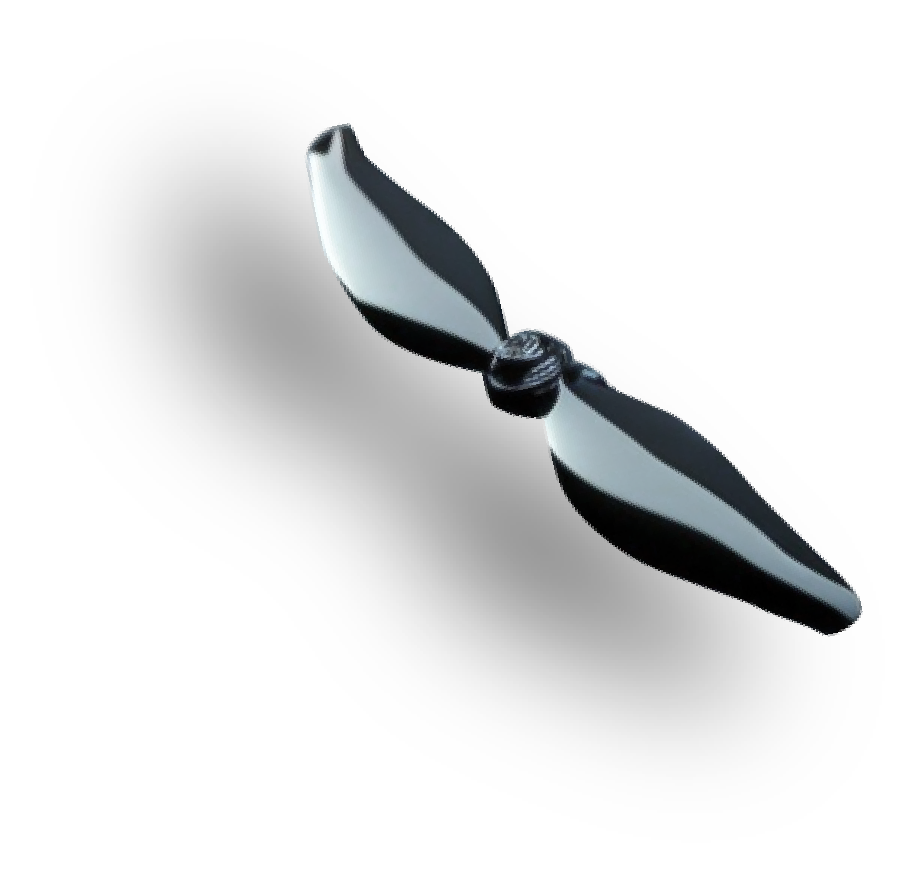
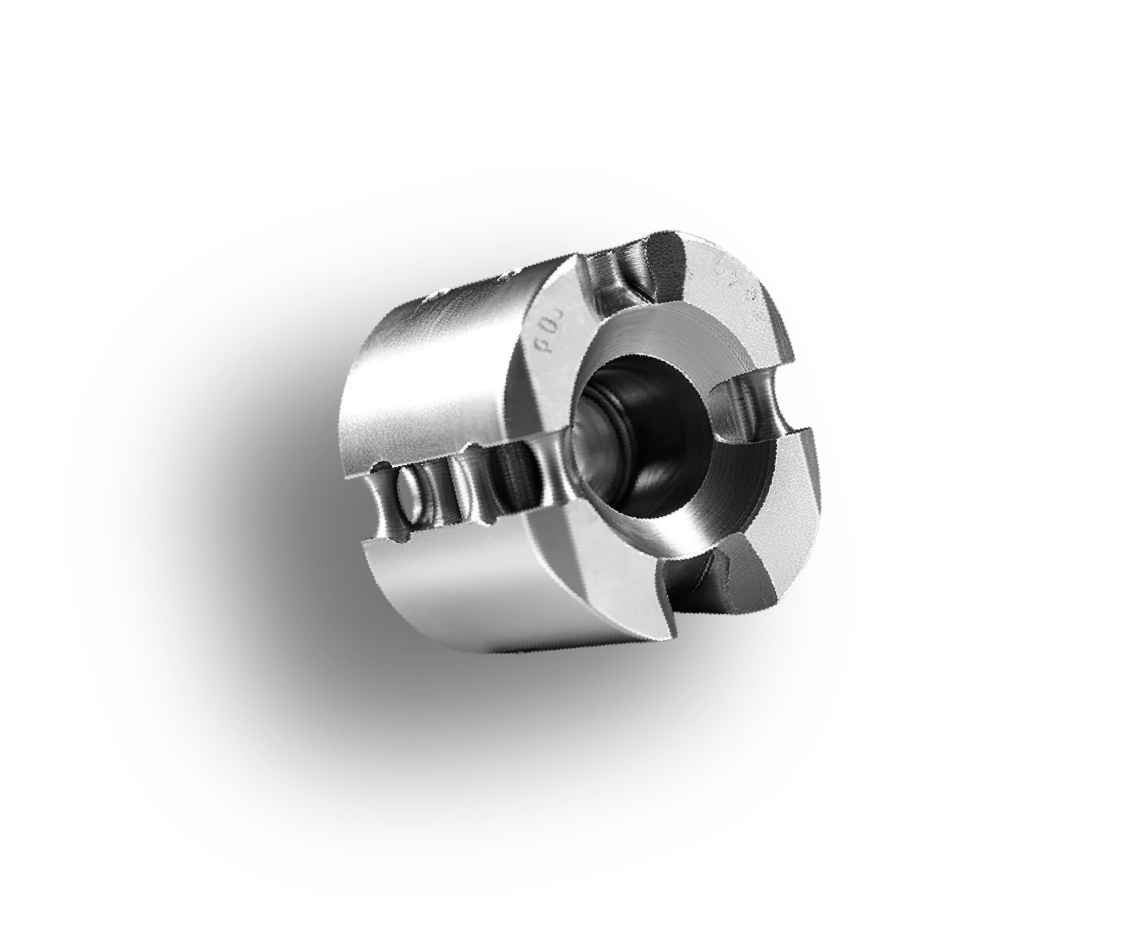
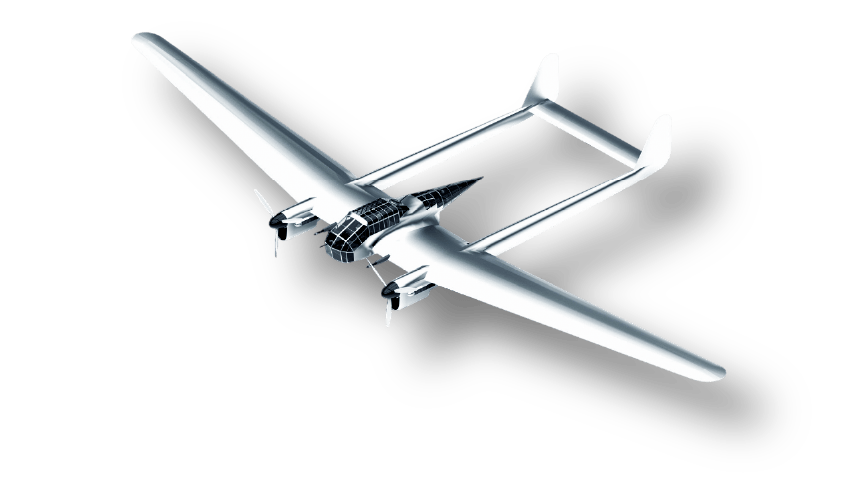
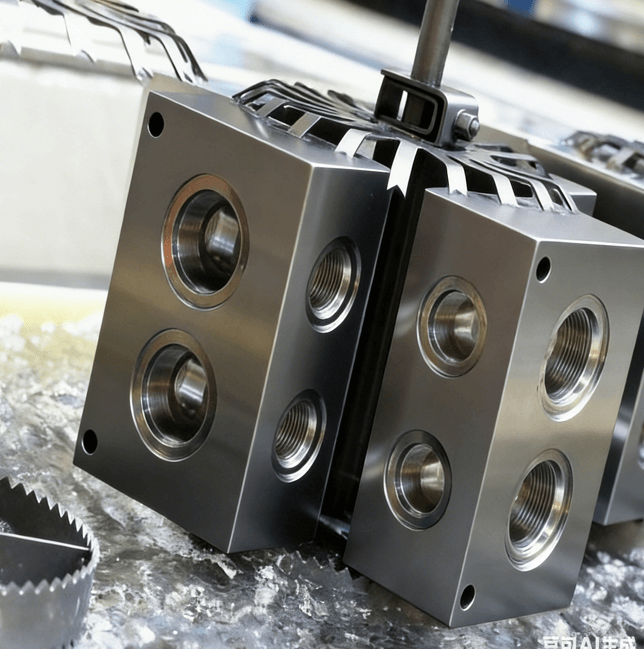
Our hard anodizing provides extreme wear resistance for CNC-machined motor housings, pivot pins, structural arms, and heavy-duty landing struts, ensuring maximum durability.

We deliver Type III hard anodizing with precise 0.001″ to 0.002″ thickness control and low-temperature processing for increased coating density. Our service includes custom masking for electrical paths, detailed bore-diameter monitoring, and specialized PTFE-impregnation options to reduce friction on moving drone assemblies.

Request a Quote

Advanced Specs & Options

Hardcoat Compliance & Grading
We strictly execute Type III hard anodizing to meet aerospace and defense specifications, producing a dense, non-conductive oxide layer that provides the ultimate structural protection for UAV aluminum components.
Micro-Hardness Engineering
Our process achieves surface hardness levels between 60 and 70 Rockwell C, effectively transforming the aluminum surface into a wear-resistant barrier capable of withstanding high-speed impact and abrasive debris.
Ultra-Precise Layer Control
We monitor oxide build-up with micron-level precision, specifically calibrating for the 50% penetration and 50% surface growth rule to ensure that critical bearing seats and motor mounts maintain a perfect interference fit.
Specialized Material Treatment
For moving assemblies and friction-sensitive parts, we offer post-anodizing PTFE (Teflon) impregnation, further reducing the coefficient of friction while maximizing the corrosion resistance of the hardcoat.
  • Hardcoat Compliance & Grading
 Featured Image
  • Micro-Hardness Engineering Featured Image
  • Ultra-Precise Layer Control
 Featured Image
  • Specialized Material Treatment Featured Image

Process Control & Quality Assurance

  • Precision Pre-treatment Icon

    Precision Pre-treatment

    Ultrasonic cleaning to ensure a contaminant-free surface for dense oxide growth.

  • Low-Temp Hard Anodizing Icon

    Low-Temp Hard Anodizing

    Stable parameters and cooling to achieve maximum surface hardness and density.

  • Functional Sealing Icon

    Functional Sealing

    Optional sealing to maximize corrosion resistance or enhance PTFE-impregnation.

  • Metrological Verification Icon

    Metrological Verification

    Precise thickness and bore checks to ensure assembly within ±5μm tolerances.

Custom Now

Frequently Asked Questions

How do you manage the dimensional growth on tight-tolerance bores?
We calculate the 50% surface buildup caused by hard anodizing to ensure your precision bearing seats and threaded holes remain within your specified engineering limits.
What specific hardness levels can your process achieve?
Our low-temperature baths produce a dense oxide layer typically reaching 60–70 Rockwell C, providing the extreme abrasion resistance required for high-friction drone components.
Can you provide selective masking for electrical grounding points?
Yes, we use high-precision masking techniques to keep specific contact areas raw, allowing for perfect conductivity while the rest of the frame receives the hard anodizing treatment.
How does your process impact the fatigue life of the aluminum?
We optimize our chemical concentration and current density during hard anodizing to minimize surface micro-cracking, preserving the structural integrity of parts under high flight loads.
Is it possible to achieve color consistency with Type III coatings?
While thicker coatings naturally appear darker, we utilize calibrated dye cycles and digital spectrophotometers to maintain uniform color matching across your entire production batch.