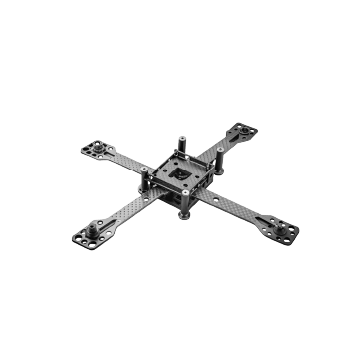
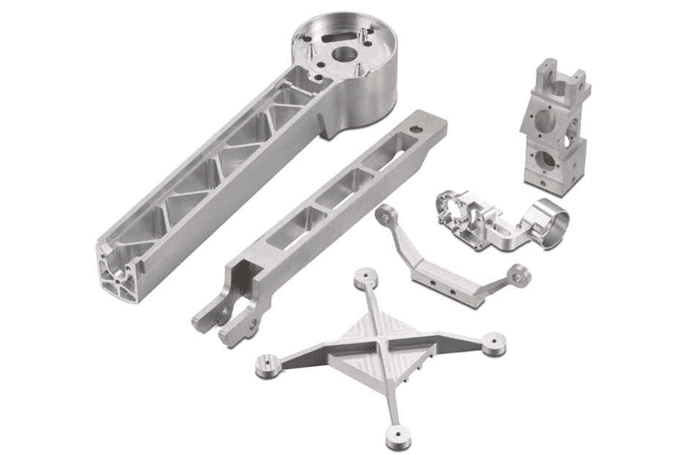
Professional Aluminum Fabrication for Drone Parts

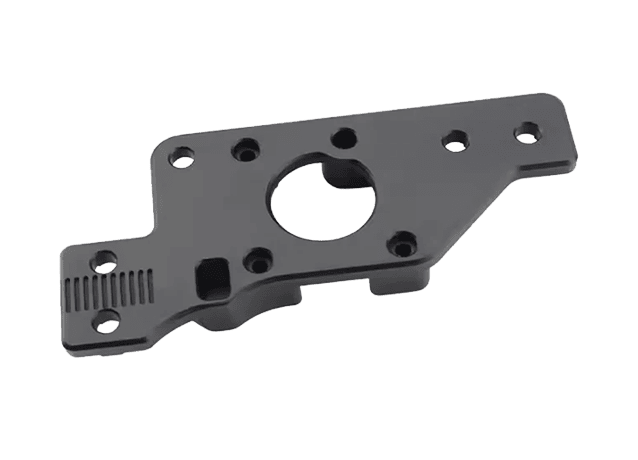
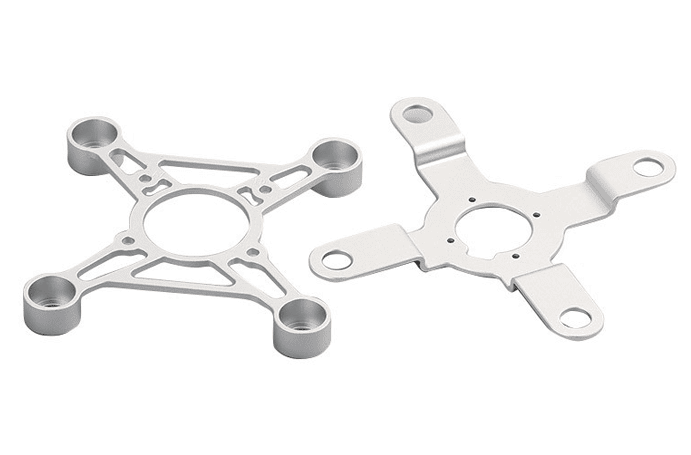
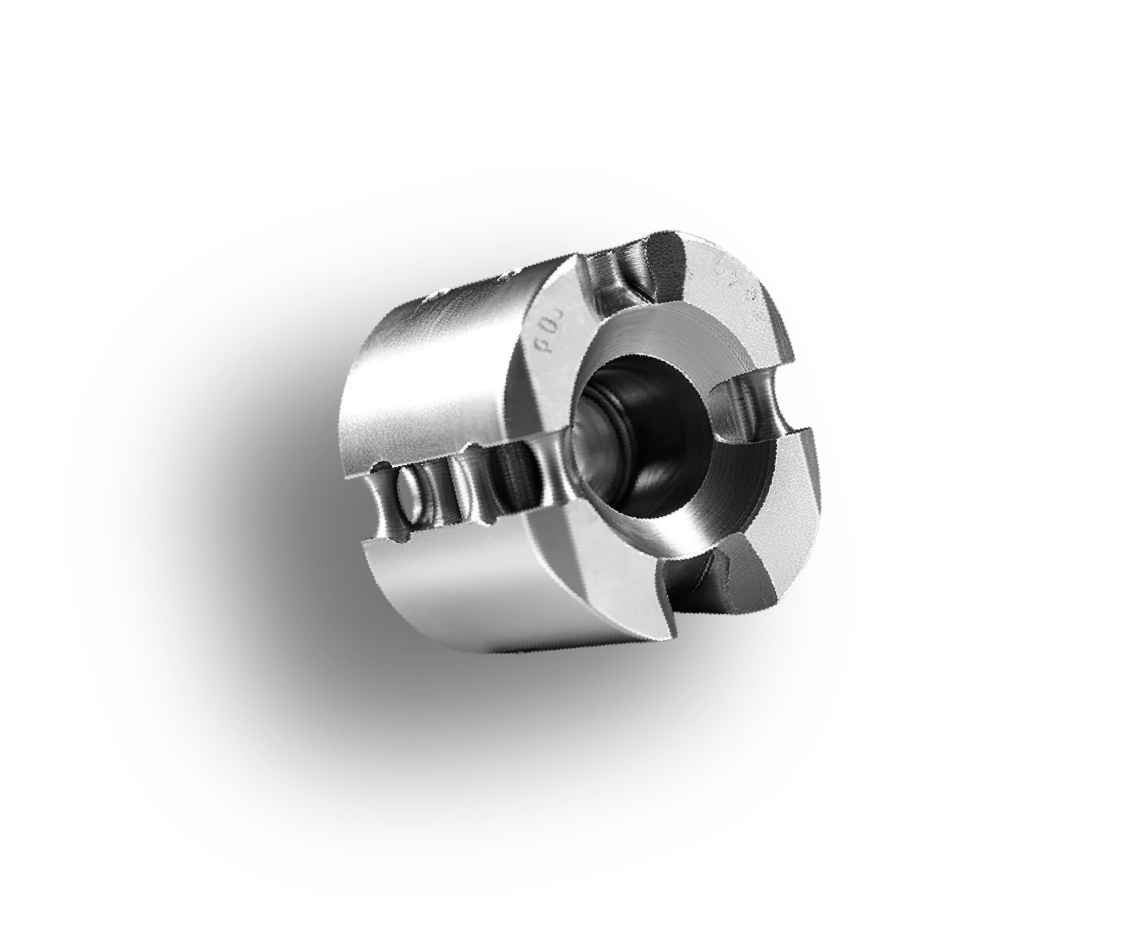
Precision machining allows for aluminum drone parts with +/-0.005 accuracy, ensuring motor mounts align perfectly.

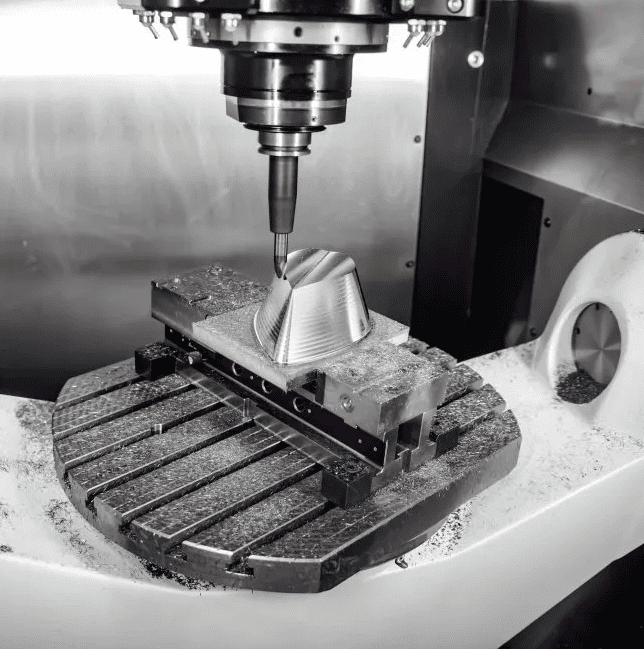
Choosing 6061-T6 alloys offers a high strength-to-weight ratio, which is essential for maintaining airframe stiffness while keeping the total weight low. Our advanced milling techniques create smooth surfaces that minimize aerodynamic drag. This process maintains a 310 MPa tensile strength, delivering components capable of surviving high-speed impacts and intense vibrations.

Request a Quote

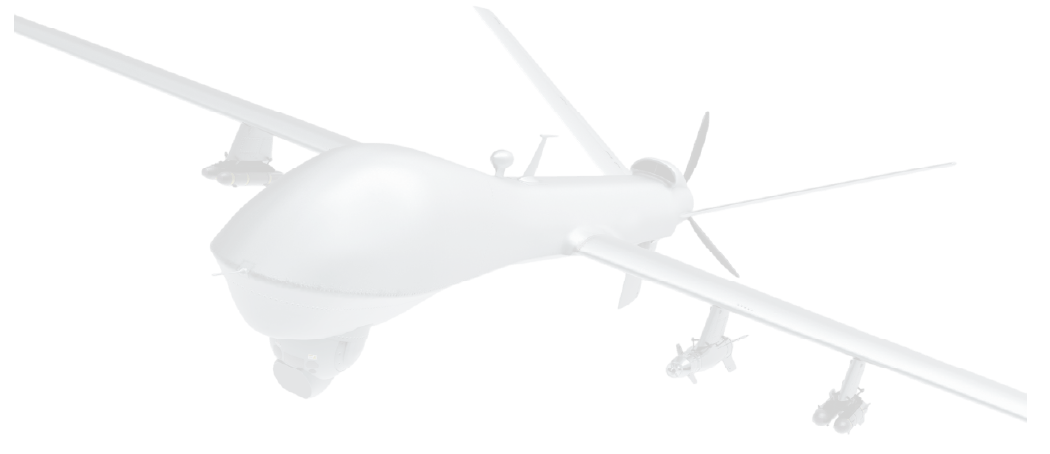
CNC Parts for Surveillence Drones

Coactique aliquotiens nostri pedites ad eos persequendos scandere clivos sublimes etiam si lapsantibus

Advantages of Aluminum for
CNC-Machined Drone Parts

Superior Strength-to-Weight
Aluminum provides the structural integrity needed to withstand flight stresses while remaining incredibly light. This balance is critical for drone CNC parts, as it allows for larger payloads and extended flight times without compromising the aircraft's safety or durability.
Excellent Thermal Conductivity
High-performance motors and electronics generate significant heat during operation. Aluminum acts as a natural heat sink, efficiently dissipating thermal energy away from sensitive components. This ensures that your drone CNC parts maintain optimal temperatures, preventing system failure during long missions.
High Corrosion Resistance
Drones often operate in humid or coastal environments that can degrade metal. Aluminum naturally forms a protective oxide layer, making these drone CNC parts highly resistant to rust and environmental wear, which significantly extends the operational lifespan of the aerial platform.
Exceptional Machinability
Aluminum's consistent properties allow for high-speed machining with extreme precision. This ensures that complex drone CNC parts are produced with tight tolerances and smooth finishes, reducing the need for manual post-processing and ensuring every component fits perfectly within the assembly.

  • The thin-wall machining on our drone chassis was perfect. We reduced the overall frame weight by 15% while maintaining the stiffness needed for high-speed racing maneuvers.

    Joseph Yen

    Mechanical Systems Lead

  • Switching to these 7075-T6 aluminum mounts solved our motor overheating issues. The heat dissipation is excellent, and the precision fit eliminated all resonance during long-range flights.

    Ella Cooper

    Aerospace Engineer

  • These CNC parts have survived multiple hard landings without bending. The corrosion resistance of the anodized finish is vital for our agricultural drones operating in humid environments.

    Jordan Smith

    Fleet Operations Manager

Frequently Asked Questions

Which aluminum alloys are recommended for drone components?
We primarily machine 6061-T6 for general structural frames due to its versatility. For high-stress components like motor mounts, we utilize 7075-T6 to provide maximum fatigue resistance and tensile strength.
What machining tolerances can be maintained for thin-walled parts?
Our high-speed CNC centers achieve precision tolerances of +/-0.005mm. This accuracy ensures zero-play assembly for motor housings and reduces vibration in sensitive gimbal mounts and sensor housings.
Why choose aluminum over carbon fiber for a drone chassis?
Aluminum offers superior thermal conductivity for cooling electronics and provides essential EMI shielding. Unlike composites, it allows for high-precision threaded holes that withstand repeated assembly without stripping.
What surface finishes are available to prevent environmental wear?
We offer Type II and Type III (hard) anodizing. These treatments create a durable oxide layer that protects against abrasion and saltwater corrosion in coastal or high-humidity flight environments.
How do you assist with flight-critical weight reduction?
Using 5-axis machining, we perform complex pocketing and wall thinning down to 0.5mm. This removes non-essential material while maintaining the structural rigidity required for high-G maneuvers.
Do you provide full material traceability for aerospace compliance?
Yes. Every order includes material certifications and batch reports. We ensure all aluminum stock meets international engineering standards for chemical composition and mechanical properties.