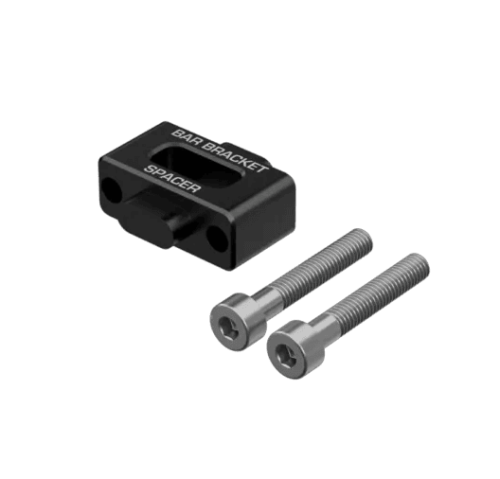
Custom Drone Camera Mount Frames Featured Image
  • Materials
    7075-T6 and 6061-T6
  • Key Feature
    Machined datum faces
  • Inspection
    CMM report on request
  • DFM Review
    Engineer DFM review

Precision-Machined Drone Camera Mount Frames

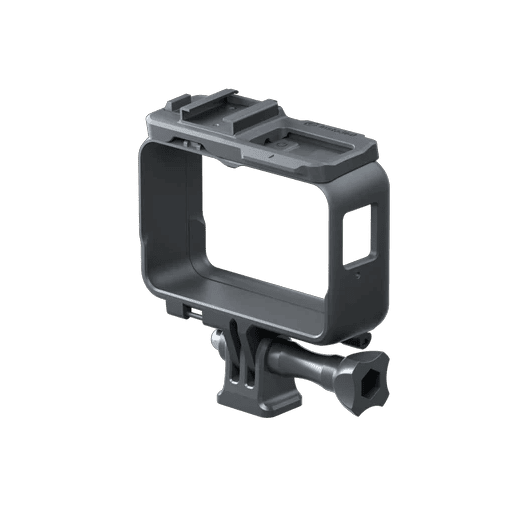
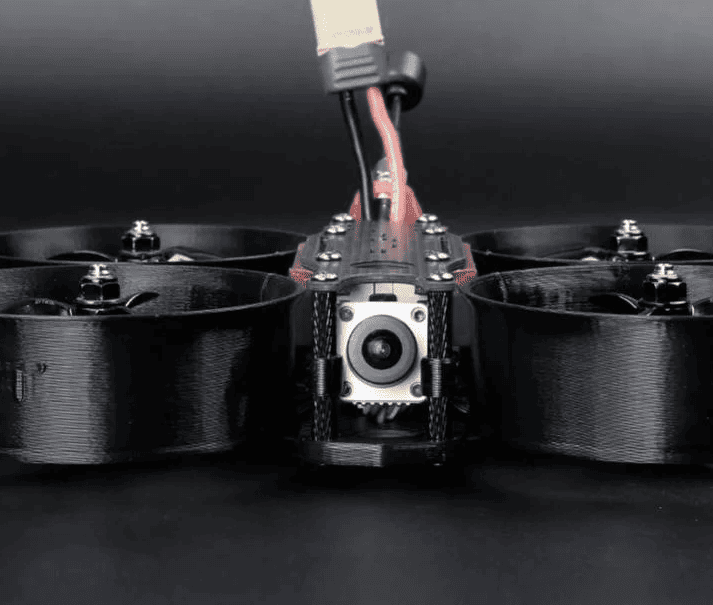
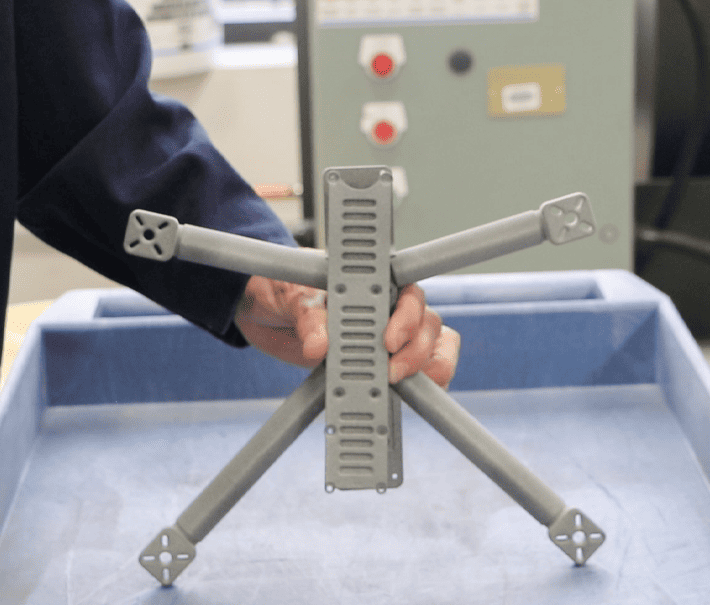
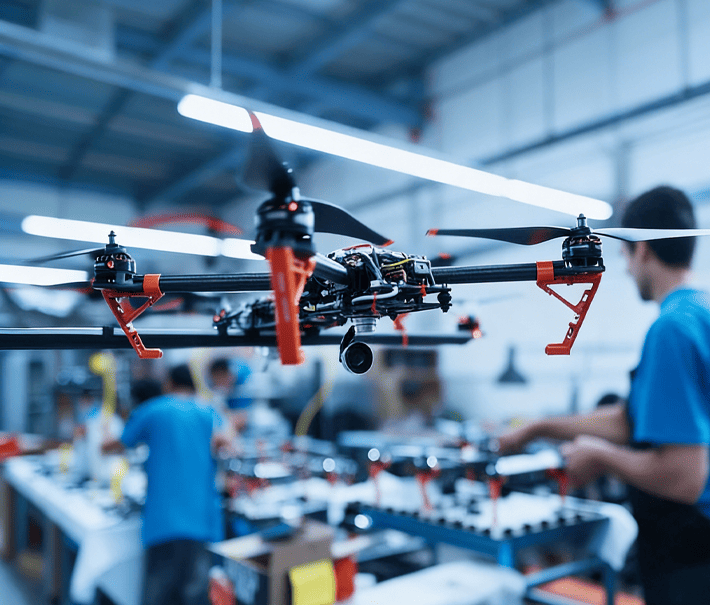
A drone camera mount on an industrial UAV has two jobs: hold the camera or sensor exactly where the drawing puts it, and keep airframe vibration out of the image.

We machine camera mount frames to your drawing, from the first prototype frame to repeat batches made to the same inspection plan. They belong to our flight control and sensor components family; mounts for mapping and inspection aircraft are also listed under mapping UAV parts and inspection UAV parts.

Request a Quote
Product Intro Image

Drone camera mount types we machine

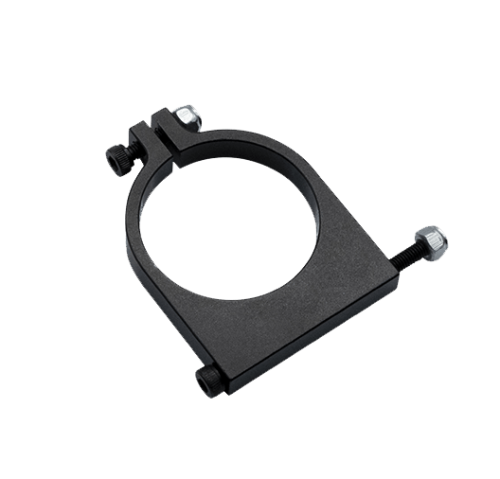
Fixed nadir and oblique mounts

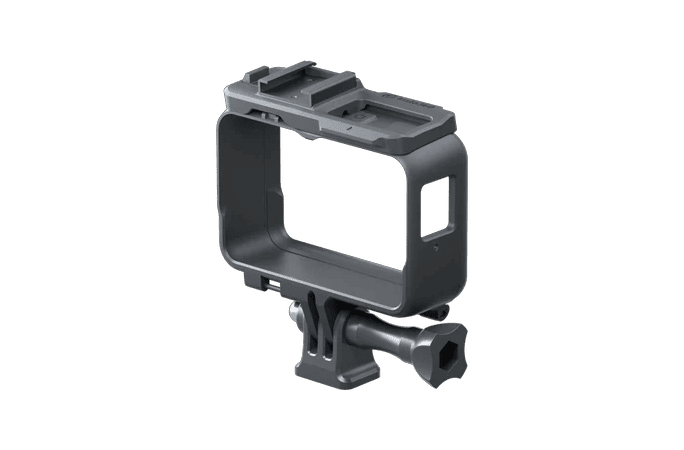
Mounts that hold a survey camera straight down (nadir) or at a set angle (oblique). The angle is fixed by design, and the camera returns to the same position after each removal, which keeps photogrammetry calibration valid between flights.

Request a quote
Gimbal interface & damping plates

Plates between the airframe and a stabilized gimbal, with seats for dampers. They pair with our gimbal mount plates and with the UAV gimbal housings themselves.

Gimbal mount plates
LiDAR and multi-sensor frames

Frames that carry RGB and thermal cameras side by side, a multispectral array or a LiDAR unit, and sensor cages that protect the sensor during close-range inspection work. Enclosed electronics go into sensor housings.

Sensor housings
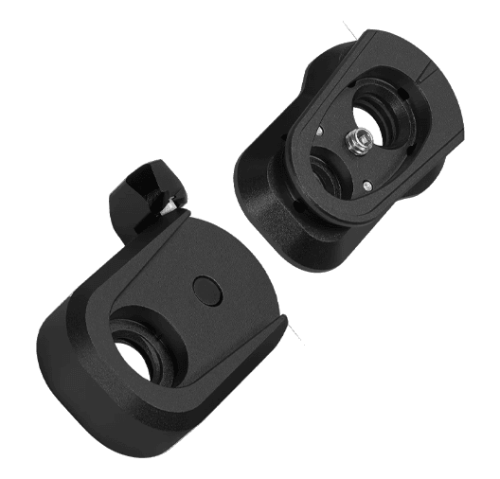
Quick-release payload brackets

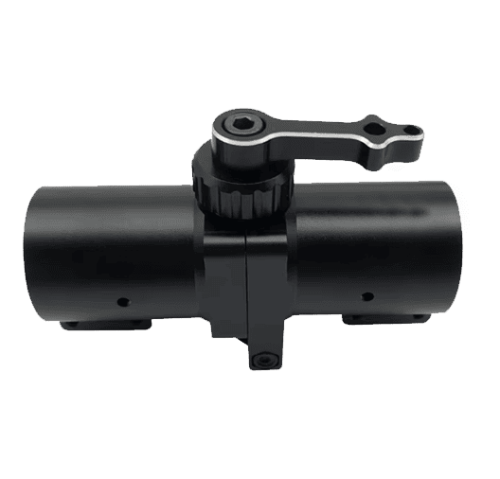
Brackets that let an operator swap payloads without tools, using quick-release locks and the interfaces of our UAV payload mounts, with datum faces that bring the camera back to the same position.

UAV payload mounts

Manufacturing Process & Quality

  • Material Selection Featured Image
  • CNC Machining Featured Image
  • Deburring & Cleaning Featured Image
  • Surface Finish Featured Image
  • Final Inspection Featured Image
Material Selection
Alloy and temper taken from your drawing (7075-T6 and 6061-T6 aluminum first, titanium or stainless where the load asks for it), with material certificates available on request.
CNC Machining
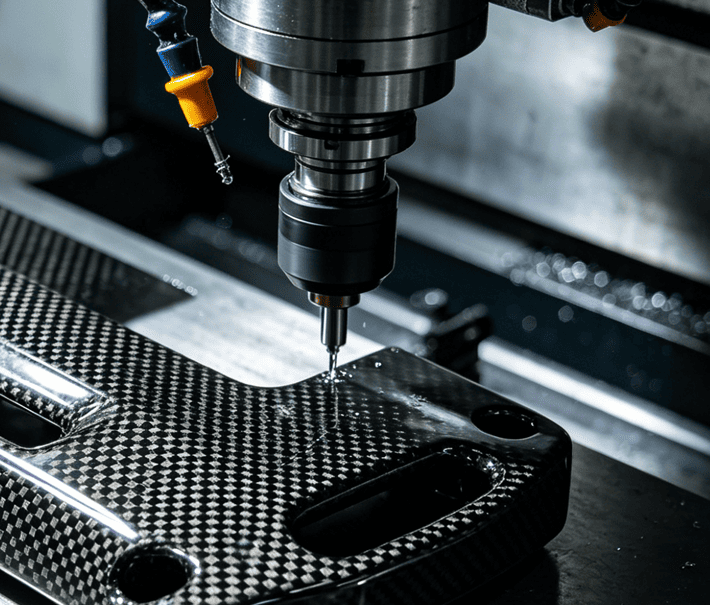
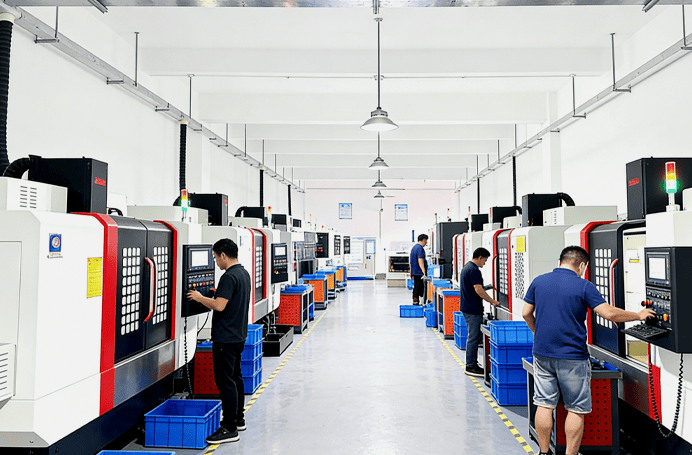
3-axis and 5-axis milling and CNC turning, with fixtures and toolpaths chosen for thin walls, flat seats and bolt patterns that must repeat from the first prototype to every batch.
Deburring & Cleaning
Edges broken and cable exits deburred as the drawing calls out, then parts cleaned so bores, threads and mating faces are free of chips and oil before finishing.
Surface Finish
Hard anodizing, black anodizing, chem film, electroless nickel or laser marking, applied as specified on the drawing, with masking of fits and threads where the callout requires it.
Final Inspection
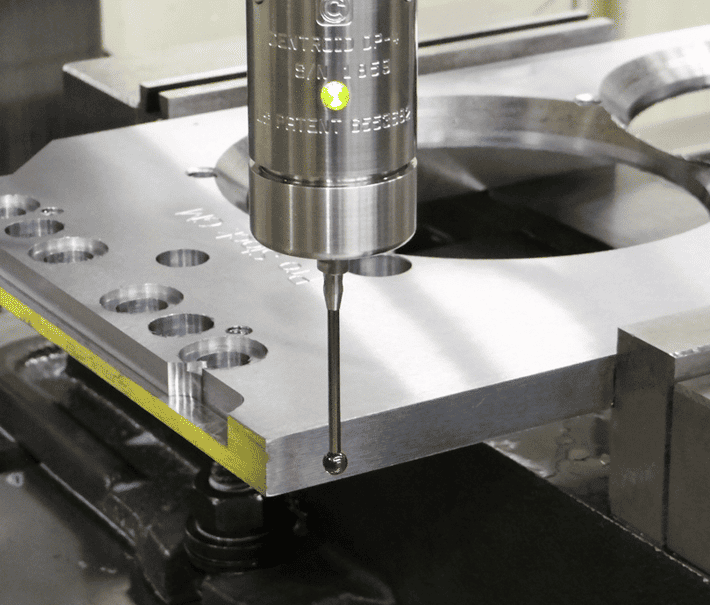
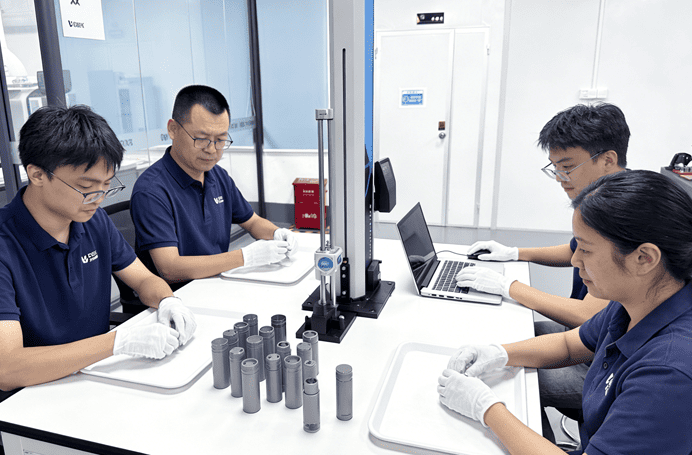
Datum-to-datum alignment, camera-seat flatness and dowel and fastener hole positions measured on CMM, features against each other; CMM report on request.

Drone camera mount frames to your drawing

We machine each frame to your payload and airframe interface drawing, under NDA, with revision control tying every batch to the approved drawing.

Camera seat angle Icon
Camera seat angle
Damper seats Icon
Damper seats
Dowel pins & datums Icon
Dowel pins & datums
Finish & laser marking Icon
Finish & laser marking
Request a Quote
  • Camera seat angle Featured Image
  • Damper seats Featured Image
  • Dowel pins & datums Featured Image
  • Finish & laser marking Featured Image

What matters in a drone camera mount

Stiffness against weight

A frame that flexes lets the camera move relative to the airframe; a frame that is too heavy costs flight time. Pocketed 7075 with ribs where the load runs is the usual answer.

Vibration isolation

Rubber dampers or wire-rope isolators decouple the camera from motor and propeller vibration; the mount’s own resonance should sit away from those frequencies. The frame is designed around the isolators (see our vibration damping mounts).

Alignment repeatability

Dowel pins and machined datum faces bring the camera back to the same position after every removal, which matters for mapping and for multi-sensor alignment.

Center of gravity

The payload’s center of gravity should sit close to the aircraft’s, or under the gimbal axes when there is one. Design background: CNC camera gimbals for drones.

Cables and heat

Cable exits without sharp edges to protect the harness, and a heat path from the sensor electronics into the frame.

Technical Specs

Specs Image
Parameter Specification
Part types Nadir and oblique mounts, gimbal interface plates, sensor cages, quick-release brackets
Materials 7075-T6 and 6061-T6 aluminum; Ti-6Al-4V (Grade 5) pins and inserts; PEEK or acetal spacers
Finishes Black anodizing (MIL-A-8625 Type II); hard anodizing (Type III) on wear points
Other finishes Chem film (MIL-DTL-5541) where the frame grounds the payload; laser marking for IDs
Tolerances As called out on your drawing to ASME Y14.5; ISO 2768 general tolerances on the rest
Inspection CMM: datum-to-datum alignment, camera-seat flatness, dowel and fastener hole positions
Documentation Material traceability; CMM report, material certificates and FAI report on request
Quantities Prototype frames to repeat batches on the same program and inspection plan
Sealing IP rating (IEC 60529) from your design for sealed cages or housings
Can you machine a drone camera mount for a specific survey or thermal camera?
Yes, from your drawing or from the camera's interface drawing; we suggest DFM changes for weight and stiffness.
Which material is best for a drone camera mount frame?
Machined 7075-T6 aluminum is the usual choice for 3D shapes, precise datums and threaded features; 6061-T6 where corrosion resistance and cost matter more.
How do you reduce vibration in the image?
By a stiff frame plus isolation elements (dampers or wire-rope isolators) tuned away from motor frequencies; we machine the seats and interfaces to your design.
Do you make quick-release camera mounts?
Yes, we machine quick-release brackets and locks to your design.
What inspection and documentation do you provide?
CMM checks of datums and camera-seat flatness and material traceability; on request, a first article inspection report. Parts are made under an ISO 9001-certified quality system.
What is the minimum order?
There is no minimum order: single prototypes up to production batches.