Battery Trays
These professional battery trays feature +/-0.005mm precision and 4–7 days lead time. Our ISO-certified production handles rapid prototyping and mass volume, ensuring high-strength quality for critical energy storage systems.
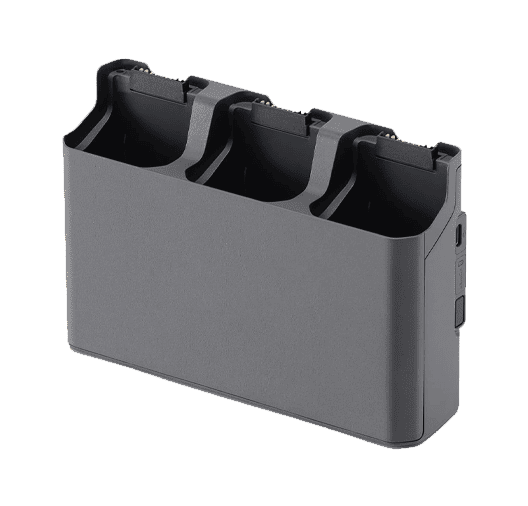

Precision machining produces rugged battery trays from aerospace alloys, providing the secure mounting and structural safety required for high-capacity power pack integration.
Storage designs demand high impact toughness and flat surfaces for thermal regulation. Advanced CNC milling creates slim, reinforced frames that protect against crash damage and vibration, delivering the mechanical reliability and weight efficiency essential for high-performance aerial platforms.
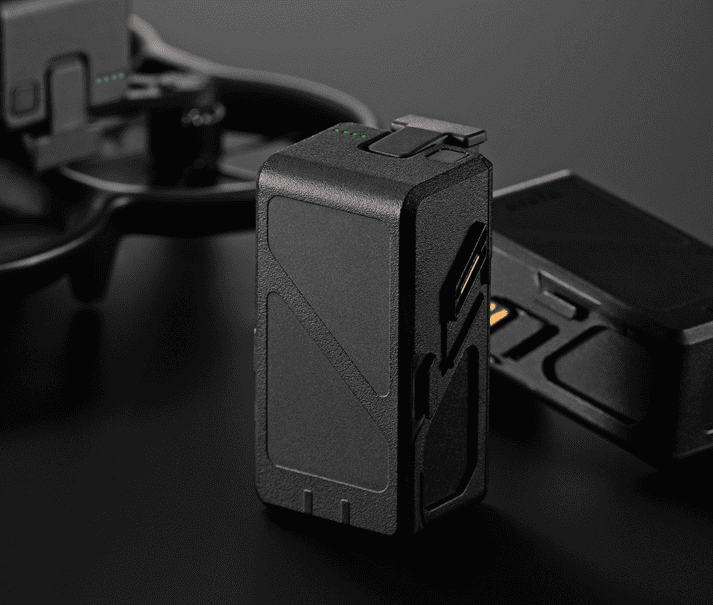
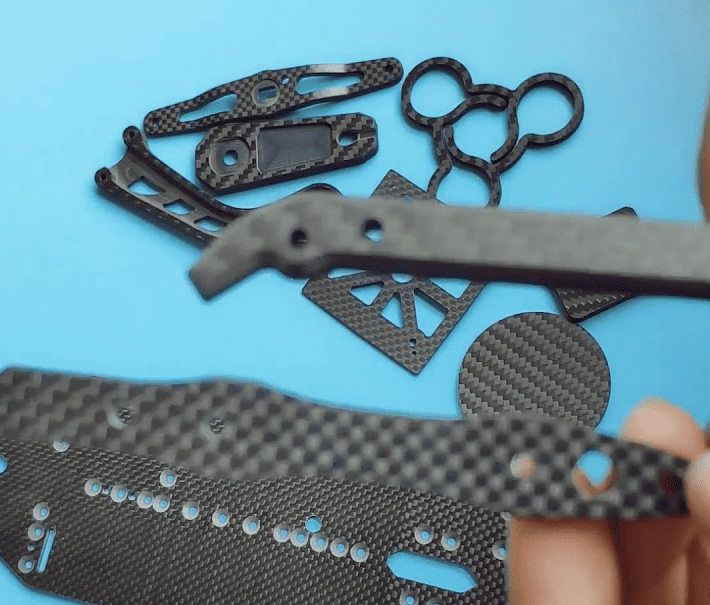
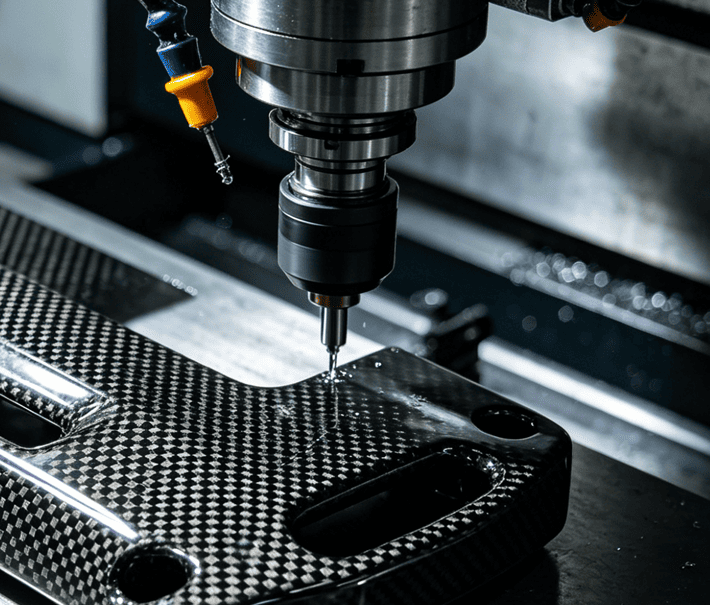
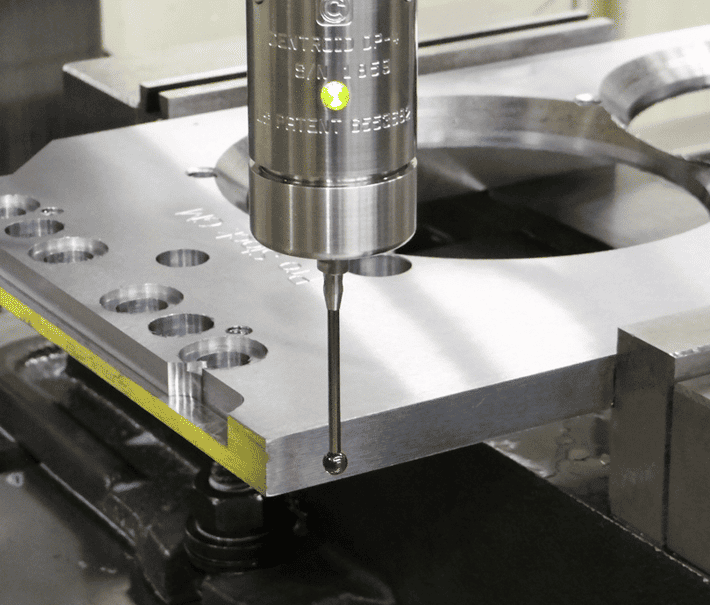
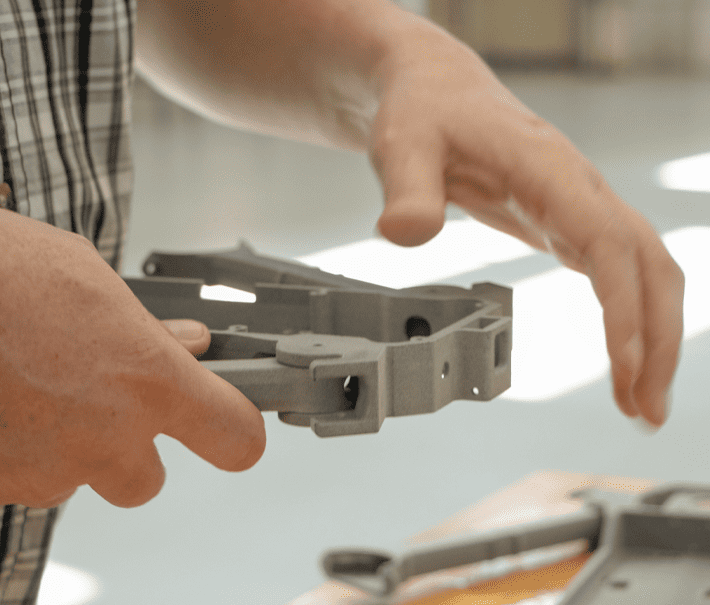
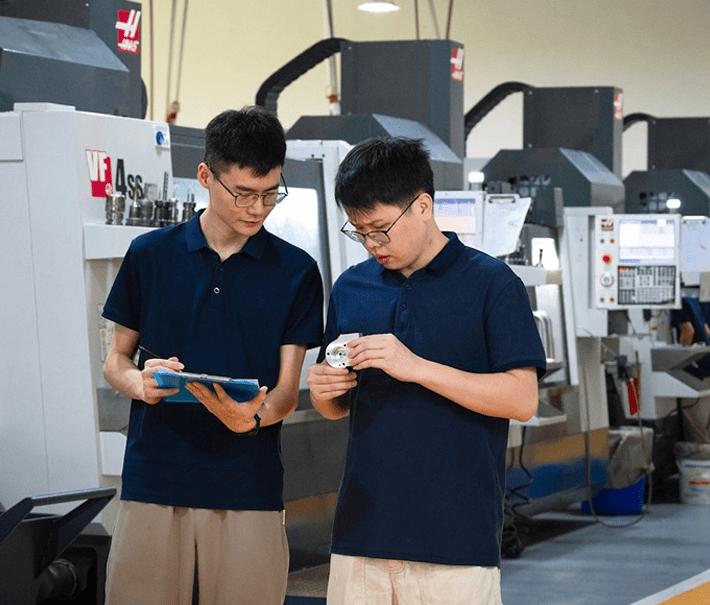
From rapid prototyping to volume production, we machine battery trays to your drawings, ensuring perfect fitment and structural integrity.


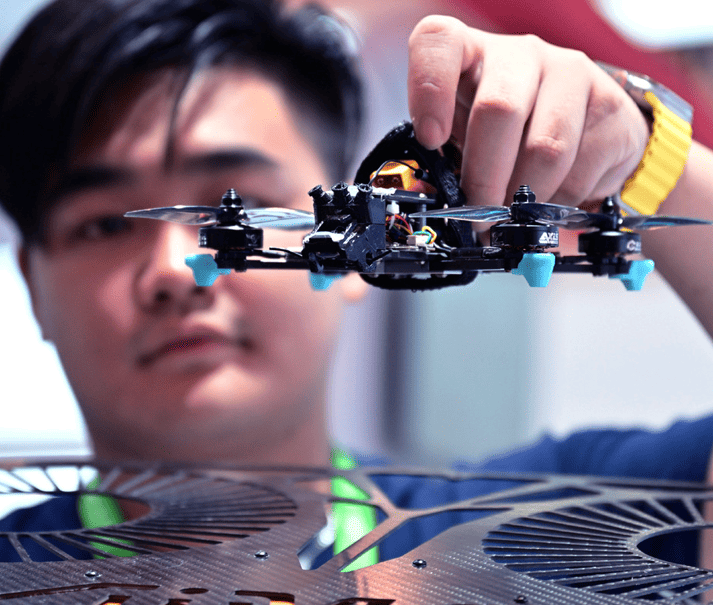

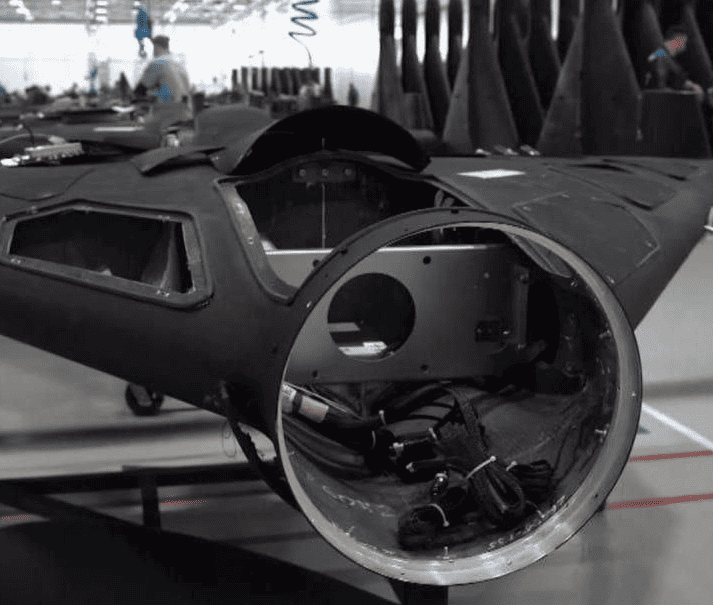

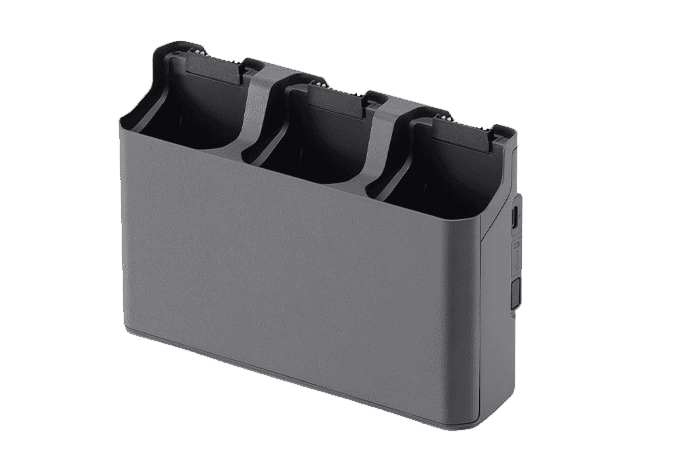
| Item Name | Precision CNC-machined Battery Trays / Enclosures |
| Size | Max dimensions up to 1200mm x 800mm; Thickness from 1.0mm to 100mm |
| Process | High-Speed CNC Milling (3/4/5-Axis), Large Format Machining, Deep Pocketing |
| Material | Aluminum (6061-T6, 7075-T6, 5052), Magnesium Alloys, Stainless Steel |
| Finish | Hard Anodizing (Type III), Chemical Film (Alodine), Powder Coating, Passivation |
| Tolerances | Linear: +/-0.01mm; Surface Flatness: 0.05mm; Position: +/-0.02mm |
| Certificate | ISO 9001:2015, IATF 16949 (Automotive Standard), RoHS, REACH |
Expert technical support for your UAV projects. We bridge the gap between complex aerospace designs and precision manufacturing.
Our engineers provide DFM feedback within 12 hours to optimize your drone parts for weight, strength, and cost-efficiency.
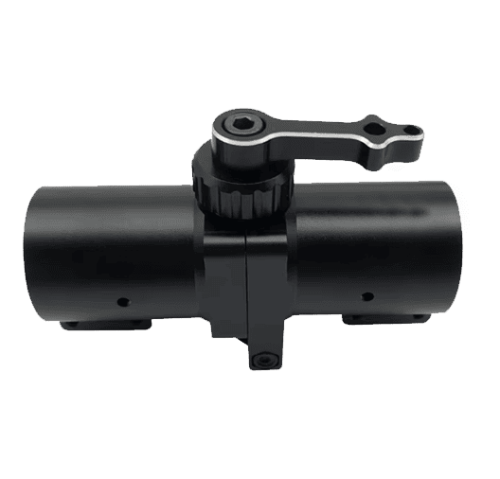
We machine UAV gimbal housing parts to your drawing for industrial UAV and UAS programs: camera housings, yoke arms, motor housings and bearing seats of stabilized payloads. Each set is machined and inspected together.
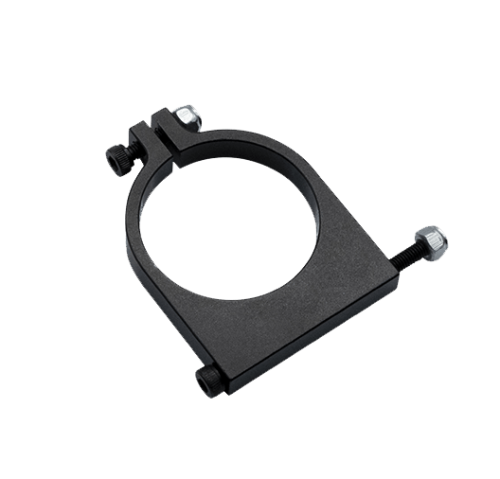
We manufacture high-precision drone cable clamps with +/-0.005mm tolerances, engineered to eliminate wire chafing and signal interference in high-density UAV electronics.
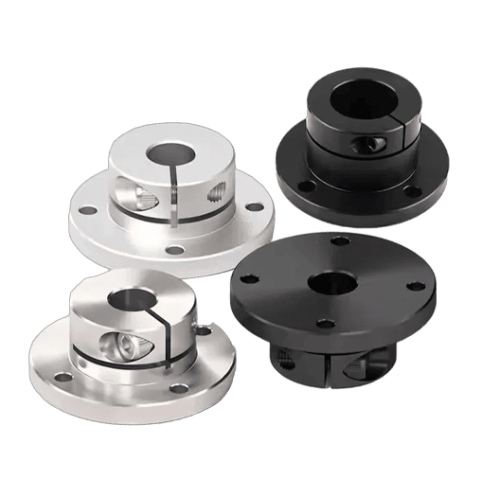
AS9100 certified Bushings at ±0.005mm precision. Professional 4 to 7-day prototyping through mass production. Engineered for high-cycle drone reliability.
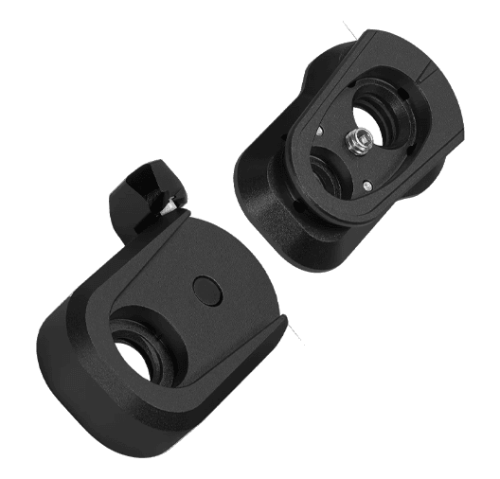
ISO9001 certified, we specialize in 4-7 day rapid prototyping of quick-release locks with latching mechanisms that combine effortless manual engagement with extreme vibration resistance.
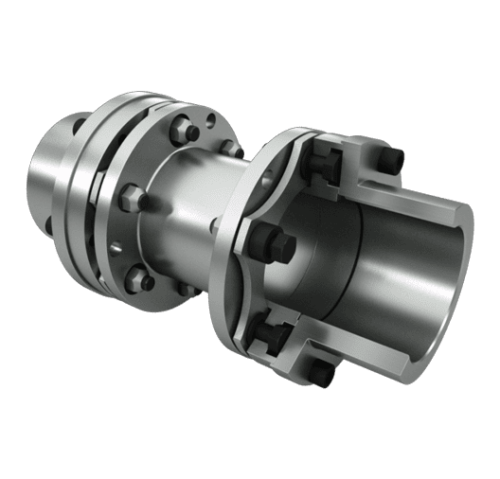
Precision-engineered couplers (±0.005mm) for aerospace; ISO9001/AS9100 certified. Offering 4-7 day prototyping and scalable mass production with uncompromising mechanical integrity.
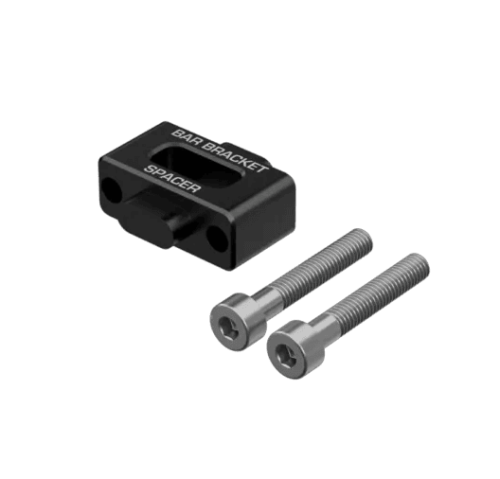
ISO9001/AS9100 certified, we manufacture high-stability drone screw-mount inserts with +/-0.005mm tolerances, engineered for high-vibration UAV environments.

English

French

German

Japanese