Kim oversees complex DFM reviews and process planning. He specializes in tight-tolerance machining for drone gimbals, motor mounts, and propulsion systems, ensuring flight-critical precision and structural integrity.
While drones are now very useful in many industries in today’s world, they must be designed to meet the highest standard of development. CNC drone parts play a crucial role in producing high-quality, durable, and efficient drones for everyday use.
The guide explains the different CNC drone parts, their manufacturing process, advantages, and the materials used.
What are CNC Drone Parts, and How are they Made?
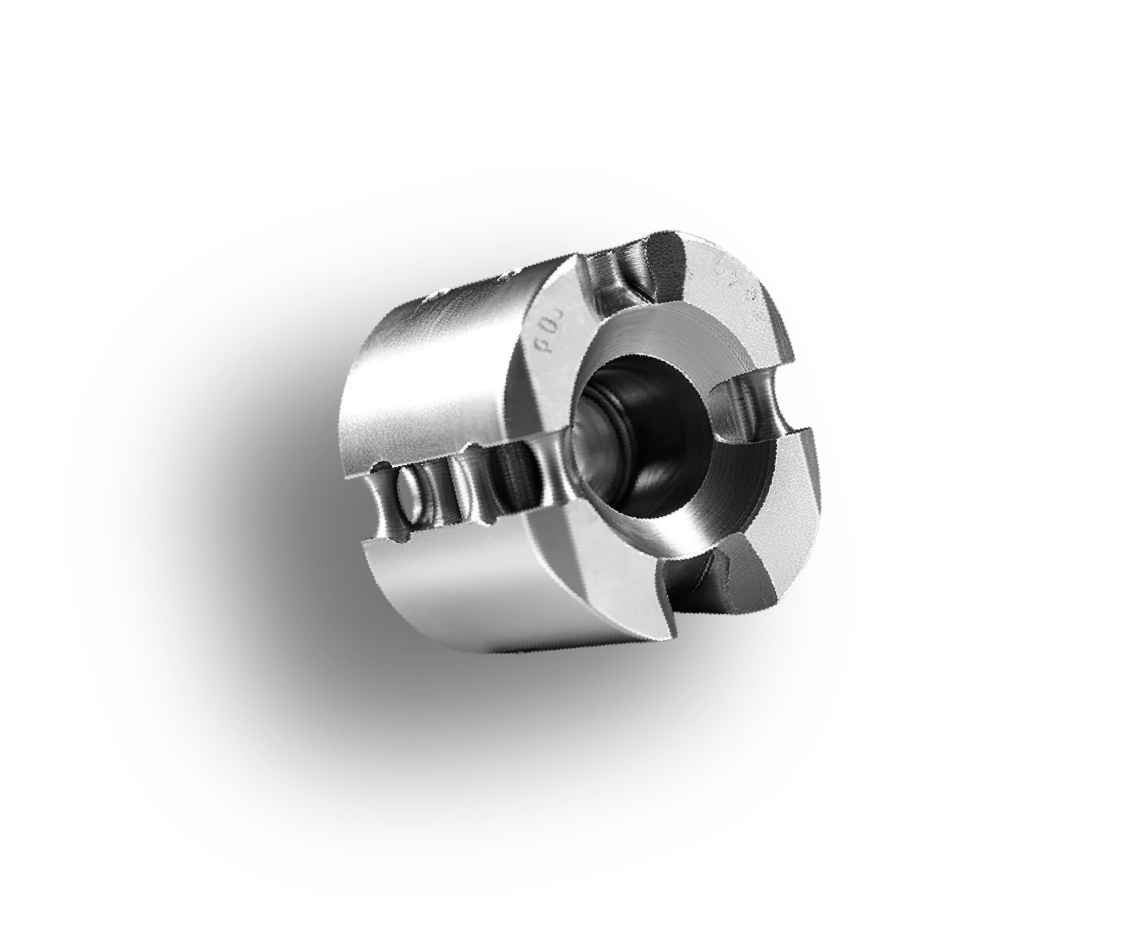
CNC drone parts are the essential components that make up a drone. These parts are typically produced using a manufacturing technique called Computer Numerical Control (CNC) and are made from materials such as aluminum, titanium, and carbon fiber.
This method is unique in that it allows for the mechanical cutting, drilling, and carving of materials until the desired components are obtained.
Beyond that, CNC offers benefits such as pre-programming, which makes the manufacturing process fast, accurate, and reliable. The components obtained are also typically of high standards and quality, making it a suitable method for producing drone parts.
CNC drone parts enhance the functionality and longevity of a drone, and therefore, must be durable, lightweight, and efficient.
Essential Drone Parts in CNC Machining
Here are the essential components of drones in CNC machining you should know:
Drone Frames
The drone frame provides structural support to the drone, ensuring that all other parts are held together. They provide support to the drone, ensuring it can resist forces while in motion. Frames are made from aluminum, which makes them sturdy, durable, and lightweight.
Propellers
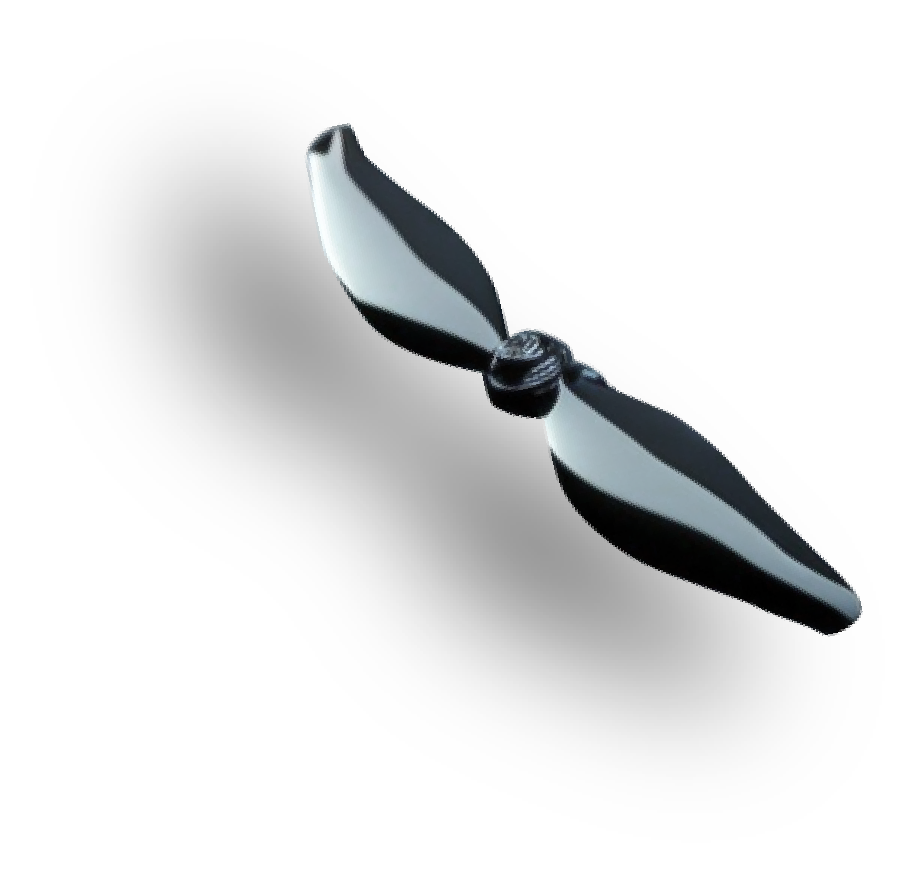
Propellers are also responsible for the smooth movement and navigation of the drone. They must therefore be accurately and precisely produced to support maximum performance.
Motor Mounts
Motor mounts help position and hold the motors so that they are properly aligned and stable, preventing vibration when in motion.
Camera Gimbals
These are responsible for holding the camera tightly in place in the drone. They ensure that the camera remains stable, such that every footage is captured and videos are not shaky or distorted.
Landing Gear
This component provides protection to the drone during takeoff and landing. They help ensure that the drone is leveled correctly when landing.
Battery Holders
Battery holders ensure that the batteries are securely positioned to prevent shifting during flight.
Materials Used for CNC Drone Parts
Aluminum
Aluminum is primarily used for CNC drone parts due to its lightweight nature, durability, and cost-effectiveness. They are used in the manufacturing of parts such as frames, motor mounts, and arms. This material helps ensure that your drone lasts longer since it doesn’t rust easily.
Titanium
Titanium is another strong, lightweight, and durable material, and it is mainly used when a higher strength is required that exceeds that of aluminum. As such, they are used for motor mounts and other high-strength components. While it offers impressive features, it is, however, expensive.
Carbon Fiber
This material offers features such as extreme light weight, stiffness, and durability, making it suitable for your CNC drone components. Additionally, it can withstand wind and dampen vibrations, ensuring the drone remains stable during flight. It is mainly used for drone frames and propellers.
Manufacturing Process of CNC Drone Parts
To manufacture CNC drone parts, you should follow the necessary process and steps. This is vital to ensure component quality, precision, and durability. Here is the process:
Design and Prototyping
The first step is to create a prototype part, which can be accomplished using CAD (Computer-Aided Design). This design should be precise, encompassing the necessary measurements, edges, and contours needed for the component to function adequately.
Material Selection
Once you have the component design, the next step is to select the materials for production. This could be aluminium, titanium, or carbon fibre. Also, the material must be durable, lightweight, strong, and fit for the component.
Machine Programming
At this stage, the CNC machine is equipped with instructions that facilitate the machining process through Computer-Aided Manufacturing. These instructions direct the machine to cut or create a hole in the material, as applicable.
CNC Machining
At this stage, materials like aluminum are processed to form the CNC drone part. This involves cutting, drilling, and carving the material until the designed component is obtained.
Quality Inspection
Once the machining process is complete, the part is thoroughly inspected to ensure that accurate measurements and dimensions are achieved. While this is essential, conducting quality inspections from the beginning helps ensure that every step and process is adequately carried out.
Finishing and Post-Processing
Lastly, you need to apply final surface finishing treatments, such as polishing and coating, to enhance the performance, aesthetics, and durability of the components.
Advantages of CNC Drone Parts
Below are some of the benefits of CNC drone components:
High Precision and High Dimensional Accuracy
CNC manufacturing helps ensure that every component meets the accurate precision level and dimensions. Drone parts require high accuracy to ensure they are correctly installed and, more importantly, perform effectively.
Exceptional Strength and Enhanced Structural Integrity
Drone parts are also produced using very strong materials, such as aluminum. This gives the part high strength and durability, even while being lightweight. With this, the drone parts can withstand harsh weather conditions and mechanical strain.
Customization Options
CNC processes also allow you to customize the components to suit your specific needs. You can incorporate more innovative features into your design, dictate the level of precision required, and select the shape of a part to enhance the performance and effectiveness of the drone.
Consistency and Repeatability
The CNC manufacturing process helps attain the consistency and repeatability of drone components. With this, you can be assured of receiving high-volume parts with the same standard and functionality.
Material Versatility
CNC drone parts can be manufactured using a variety of materials, including metals, plastics, and composites. As such, you can select the one that best suits your needs.
Cost-Effective for SMEs
CNC machining helps ensure that drone components are manufactured more quickly and accurately, thereby improving cost-effectiveness. This is especially important for small and medium-sized businesses that might need to scale later.
Common Issues in Part Manufacturing and How to Avoid Them
When manufacturing drone parts, certain issues might be faced. The table below highlights the issues and provides guidance on how to avoid them.
Issues
Description
How to Avoid Them
Workholding
Component misalignment
Utilize custom fixtures
Tool wear
Frequent breakage
Frequent inspection
Chip control
Bad surface finish
Optimize chip breakers
Tool deflection
Inconsistent cuts
Use strong tools
Communication
Poor communication and misunderstanding
Clear communication and documentation
Tolerances
Tight tolerance missed
Regular process checks
Cooling
Overheating tools
Introduce adequate coolants
Material choice
Hard to machine
Choose suitable options
Programming
Code errors
Simulate programs
Tool run out
Inconsistent finishes
Maintain tight precision
Choosing the Right Supplier for CNC Drone
When selecting a supplier for your CNC drone parts, several key factors should be considered. Here they are.
Quality and Precision
First, verify that the supplier has consistently delivered high-quality and precise parts over the years. Look out for the quality assurance measures that are put in place and ask questions relating to this.
Customization Options
The supplier must also be able to design custom parts that meet your specific requirements and specifications.
Material Expertise
You would also want to ensure that the supplier is knowledgeable about the material you wish to use. Have they previously used aluminum or titanium in the creation of drone components?
Cost Effectiveness
While you may want to stay within budget, it’s essential to consider the quality of drone parts provided by a supplier in the past and their associated costs. So, look out for other factors, such as quality and precision, while also staying within budget.
Industry Expertise
More importantly, you need to look out for the expertise level of the company. Look out for their number of years in service and if they’ve collaborated with customers within your field in the past. You should also check out their experience in CNC machining.
Availability of Technological Facilities
The availability of technological facilities is another factor. You would want to ensure they have the CNC machines and tools within their workshop. This is to ensure components are of good quality and improve efficiency.
Turnaround Time
Be aware of their typical turnaround time. Can they deliver on time and meet deadlines without compromising quality?
Certificates and Accreditations
You would also want to look out for the certifications and accreditations they went through. What quality assurance measures are put in place? Are they ISO 9001 certified?
Flexibility and Scalability
You should determine if the supplier can meet your current demand and if they’re flexible enough to accommodate higher demands when scaling production.
Customer Support
You would also need to check the level of customer support provided, as you might need to ask questions before, during, and after part production. Are they reachable through emails, social media, or websites?
Customer Reviews
Lastly, look for the past customers’ reviews and testimonials. You can find this on the company’s website, social media handles, and review sites. Be sure to see what people are saying about the quality, precision, expertise, and other aspects.
Conclusion
While drones are now widely used in various fields, ensuring that CNC drone parts meet quality standards is crucial for optimal drone performance.
DroneCNCParts is a manufacturing company specializing in the production of high-quality, precise, and durable CNC drone parts. With our highly sophisticated technological facilities and variety of materials, we’ve been able to deliver fast and accurate components over the years. Get in touch with us now.
FAQs
Can CNC milling improve prototype and drone accessories parts?
Yes, CNC milling can improve prototype and drone accessories parts. The process can improve their precision, quality, and performance.
The manufacturing process can help produce rapid prototypes quickly, achieve designs with complex geometries, and allow the use of versatile materials, among other benefits.
Why do you manufacture aluminum components instead of plastic when manufacturing drones?
We manufacture aluminum components instead of plastic when machining drones because of aluminum’s durability and strength, ease of machining, and ability to conduct heat. These features enable the easy achievement of parts with high precision and strength.
What are the advantages of using carbon fiber in drone frame construction?
The advantages of using carbon fiber in drone frame construction include the following:
It can withstand harsh environmental conditions without losing its structural integrity.
Its lightweight nature and durability make it easier for drones to change position and fly in various directions.
Enhances battery life due to low energy consumption.
Its stiff nature also allows for a stable, perfect picture and video capturing.
It can dampen vibrations, thereby improving drone stability while flying.