UAV Payload Mounts
Our UAV payload mounts are delivered with verified ±0.005 mm precision, reliable 4–7 day lead times, and full inspection, supporting rapid prototypes and controlled production runs.
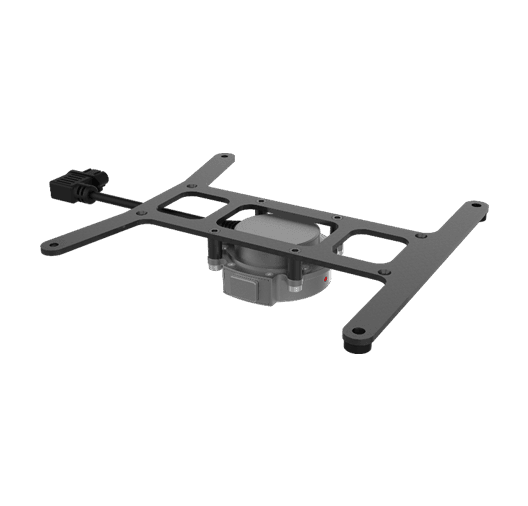

Structural UAV payload mounts are produced with precision across metals and engineering plastics, accommodating complex geometries and flexibility for prototyping and production.
Key considerations such as surface treatments, tight dimensional tolerances, and critical interface alignment are addressed through controlled machining and inspection workflows. Prototypes and medium-volume runs are executed with consistent quality and repeatable assembly outcomes.
See camera mount frames.
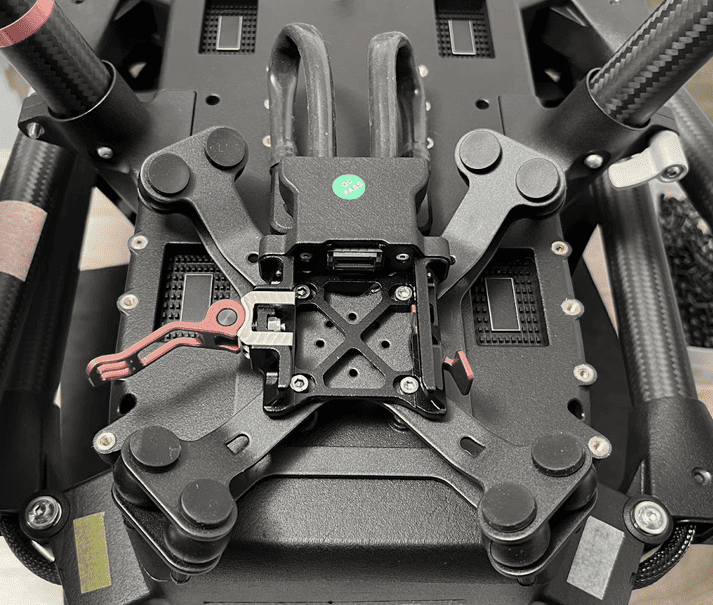
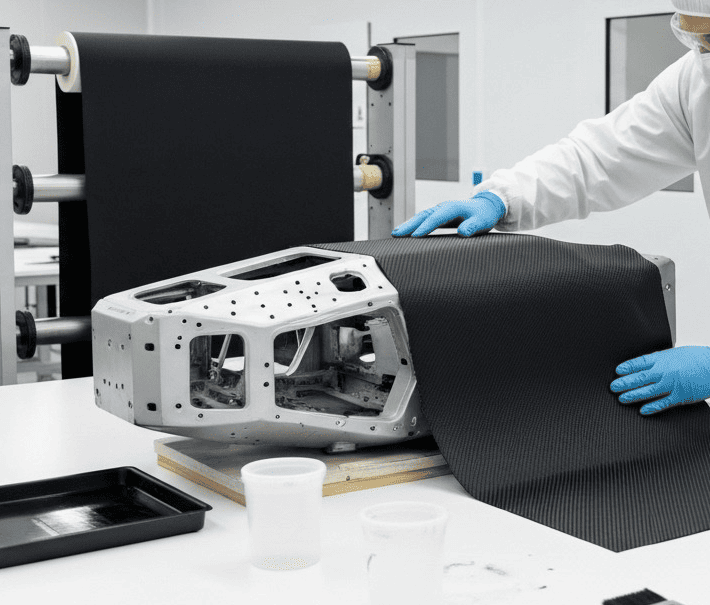
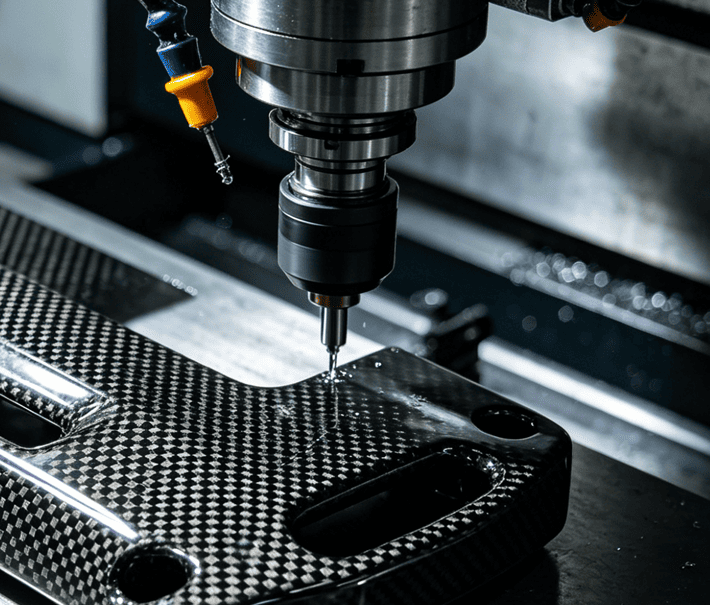
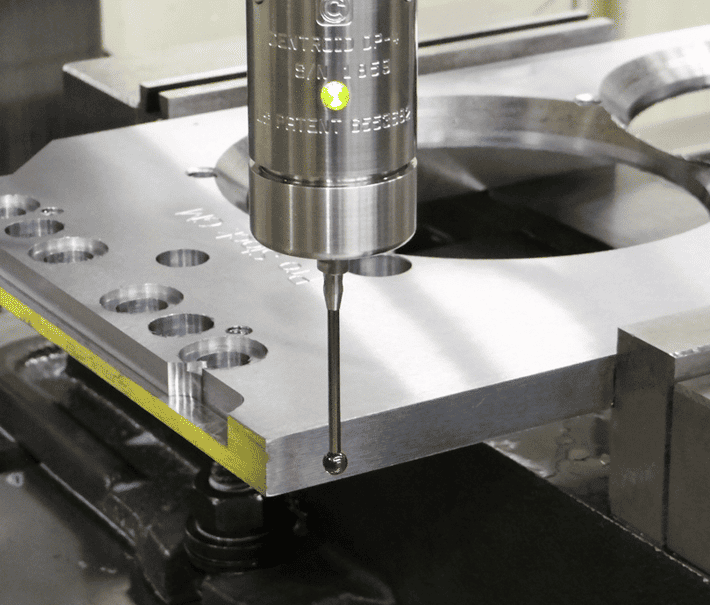
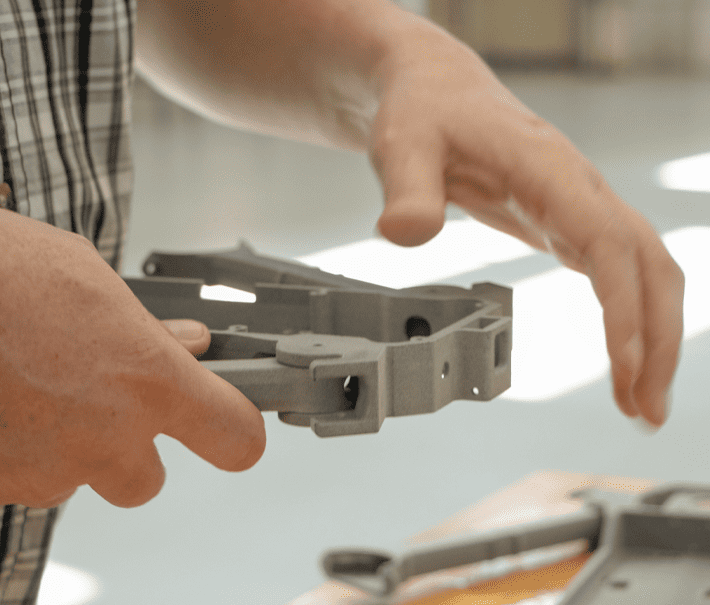
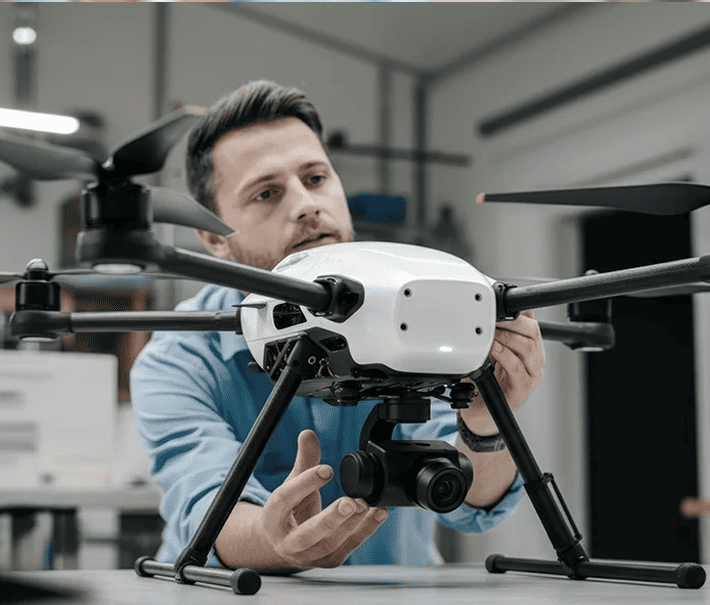
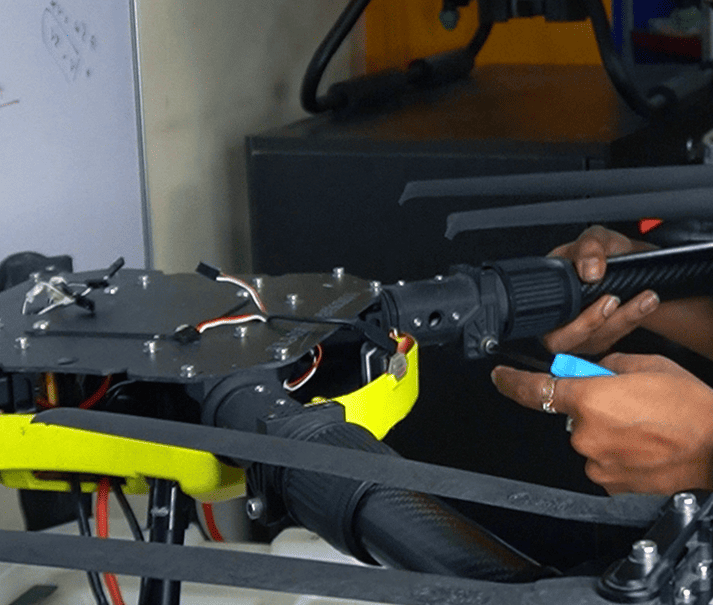
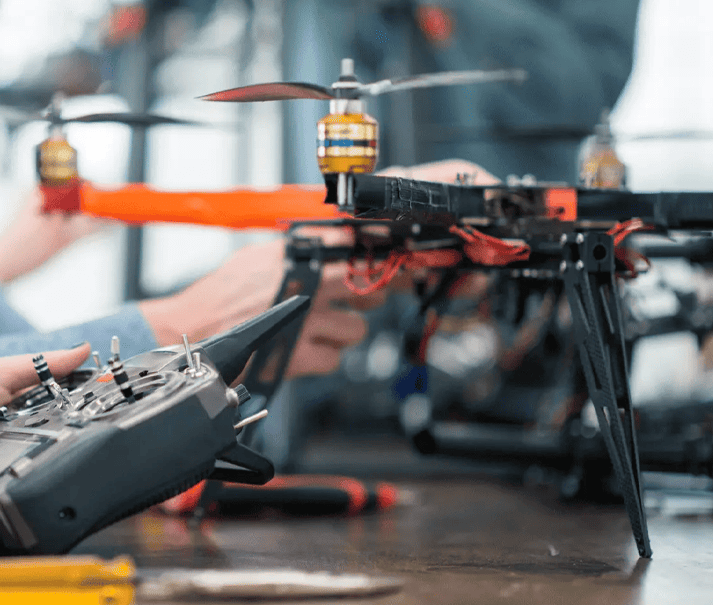
Mounts are tailored to UAV configurations, ensuring precise payload positioning, secure interfaces, and compatibility with multiple sensor or equipment layouts.



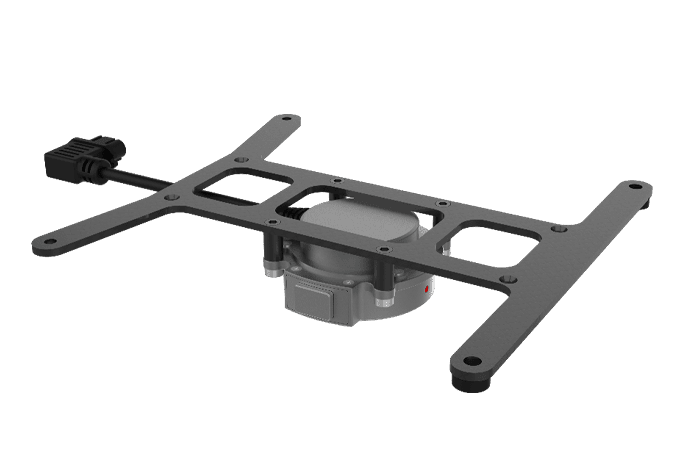
| Item Name | UAV Payload Mounts |
| Size | Custom per technical drawings |
| Process | CNC Milling and Turning (3/4/5-Axis as required) |
| Material | Aluminum alloys (6061-T6, 7075-T6), stainless steel, engineering plastics |
| Finish | Anodizing, chemical film, passivation, bead blasting, or as-machined |
| Tolerances | Up to ±0.005 mm on critical features |
| Certificate | ISO 9001:2015 manufacturing system; material certificates available upon request |
Expert technical support for your UAV projects. We bridge the gap between complex aerospace designs and precision manufacturing.
Our engineers provide DFM feedback within 12 hours to optimize your drone parts for weight, strength, and cost-efficiency.
Quo cognito Constantius ultra mortalem modum exarsit ac nequo casu idem Gallus
We machine UAV gimbal housing parts to your drawing for industrial UAV and UAS programs: camera housings, yoke arms, motor housings and bearing seats of stabilized payloads. Each set is machined and inspected together.
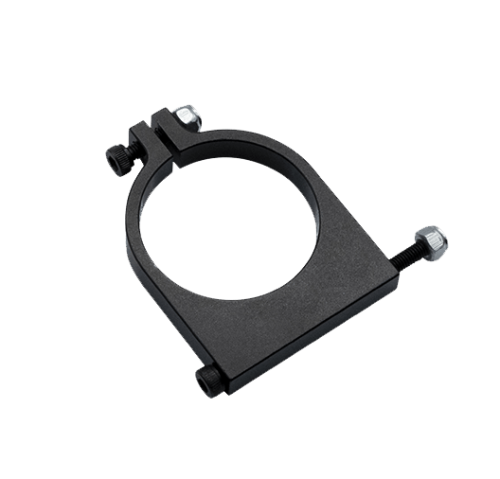
We manufacture high-precision drone cable clamps with +/-0.005mm tolerances, engineered to eliminate wire chafing and signal interference in high-density UAV electronics.
AS9100 certified Bushings at ±0.005mm precision. Professional 4 to 7-day prototyping through mass production. Engineered for high-cycle drone reliability.
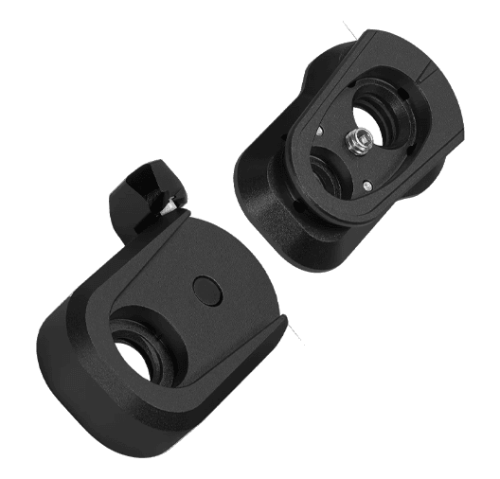
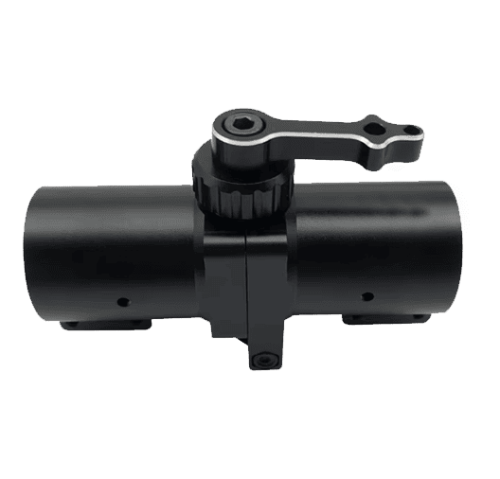
ISO9001 certified, we specialize in 4-7 day rapid prototyping of quick-release locks with latching mechanisms that combine effortless manual engagement with extreme vibration resistance.
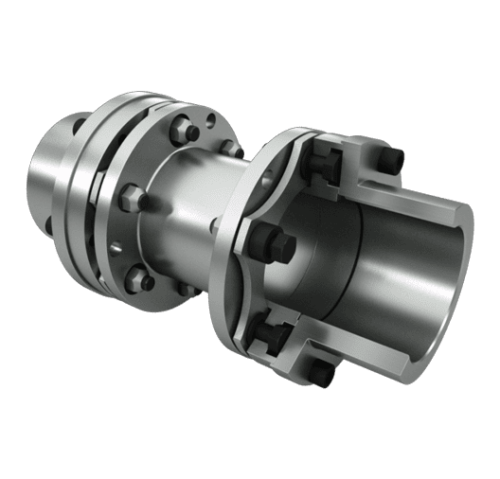
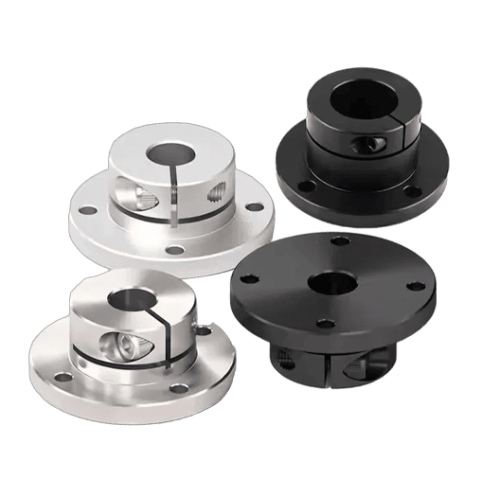
Precision-engineered couplers (±0.005mm) for aerospace; ISO9001/AS9100 certified. Offering 4-7 day prototyping and scalable mass production with uncompromising mechanical integrity.
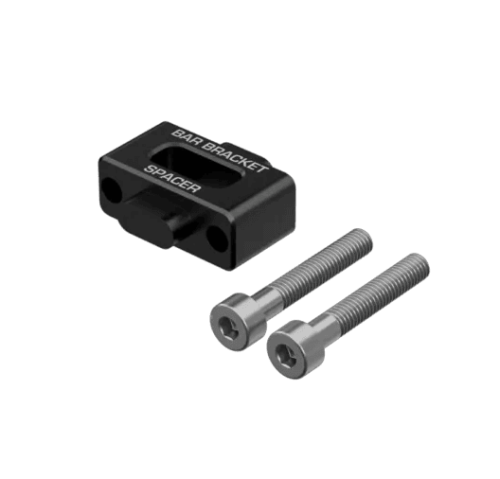
ISO9001/AS9100 certified, we manufacture high-stability drone screw-mount inserts with +/-0.005mm tolerances, engineered for high-vibration UAV environments.

English

French

German

Japanese