Expert Nylon Machining
for Reliable Drone Parts

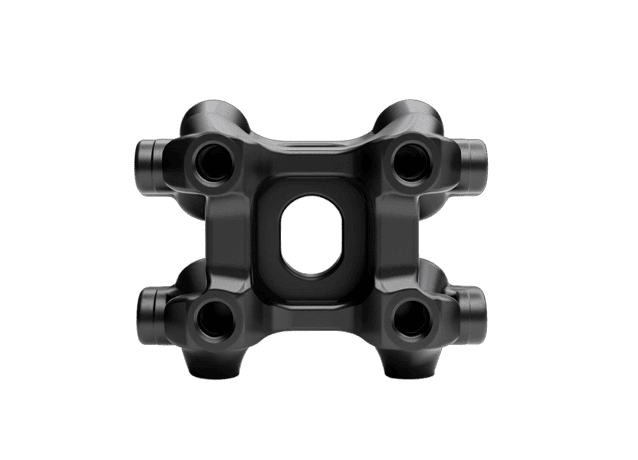
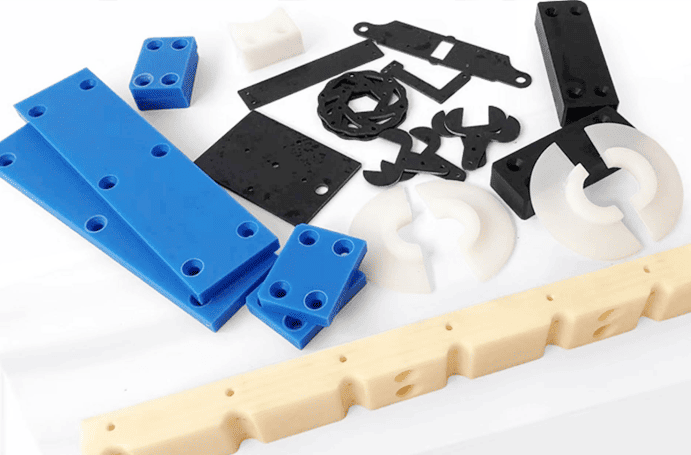
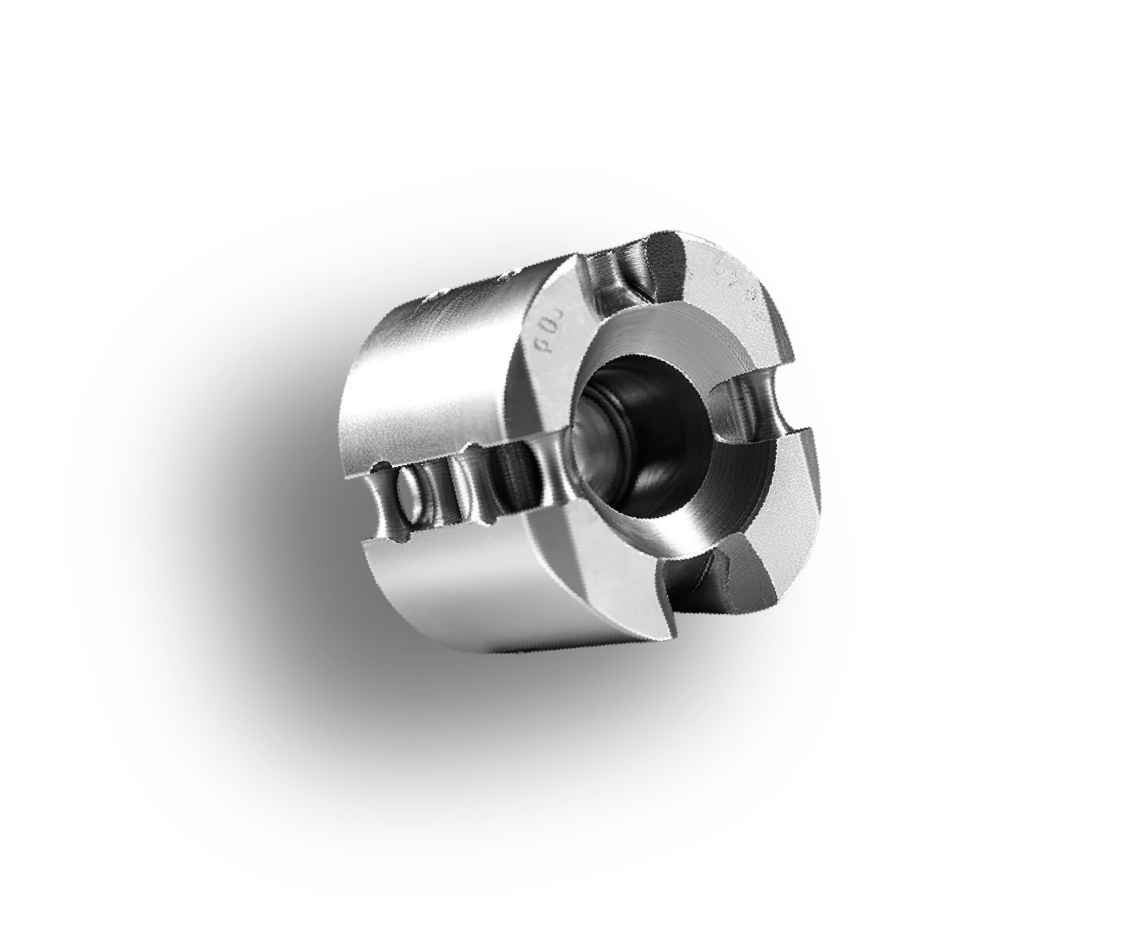
We specialize in precision nylon machining, manufacturing durable drone components that survive high-velocity impacts.

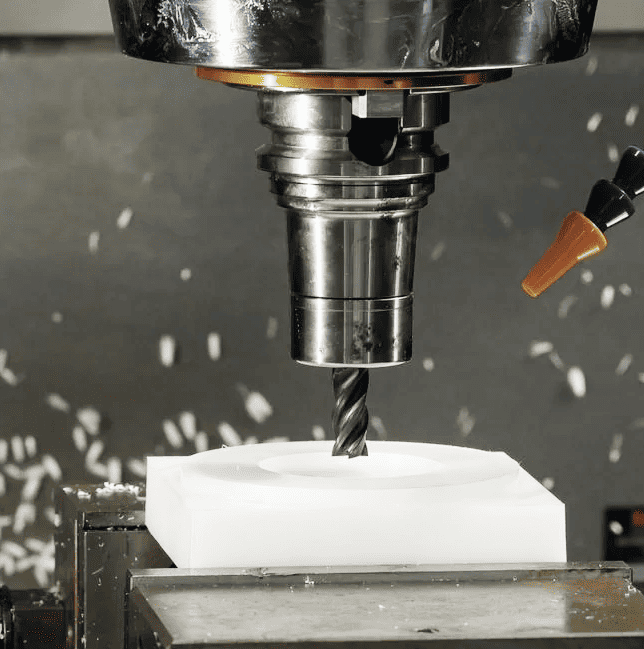
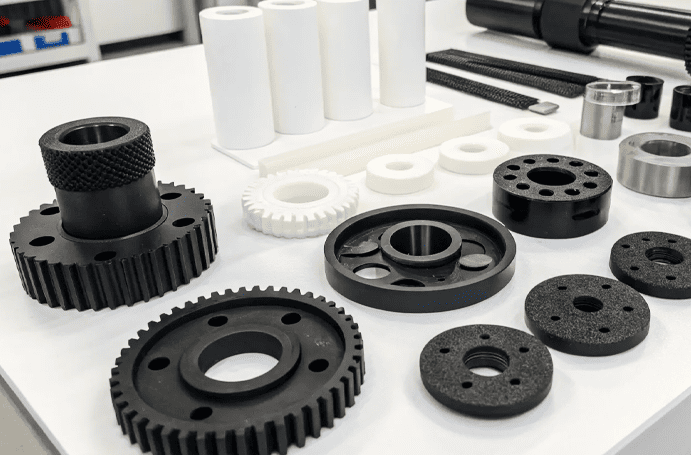
Using synchronized 4-axis milling, we maintain +/-0.005 mm accuracy on complex landing gear and internal mounts. These lightweight parts harness nylon’s 75 Shore D hardness to absorb vibrations effectively. Our streamlined production workflow ensures your custom CAD designs transition from digital files to flight-ready hardware in under three days.

Request a Quote

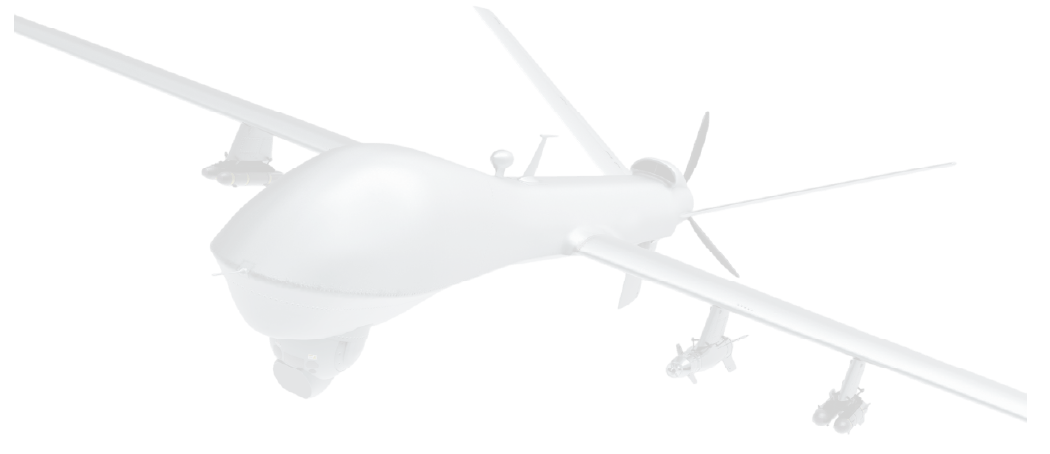
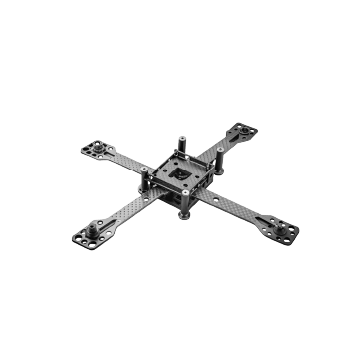
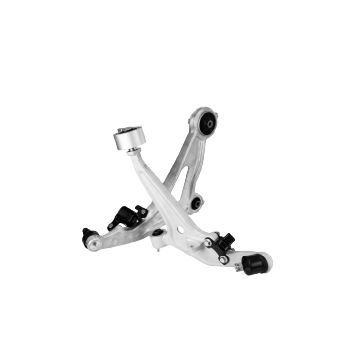
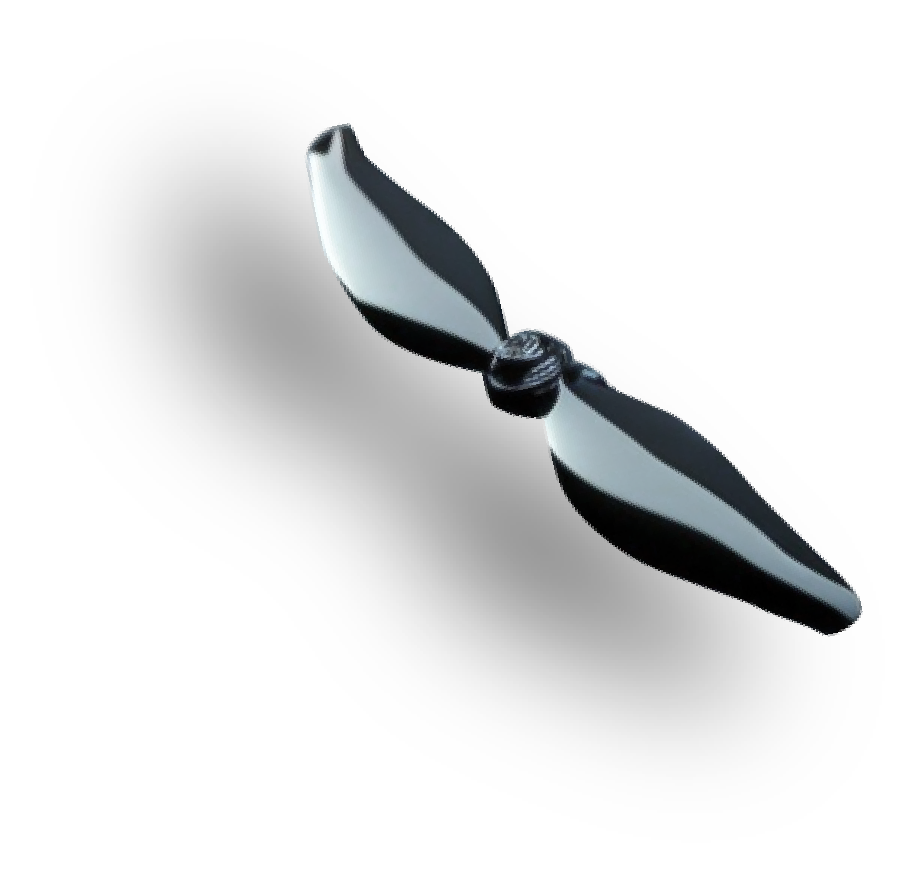
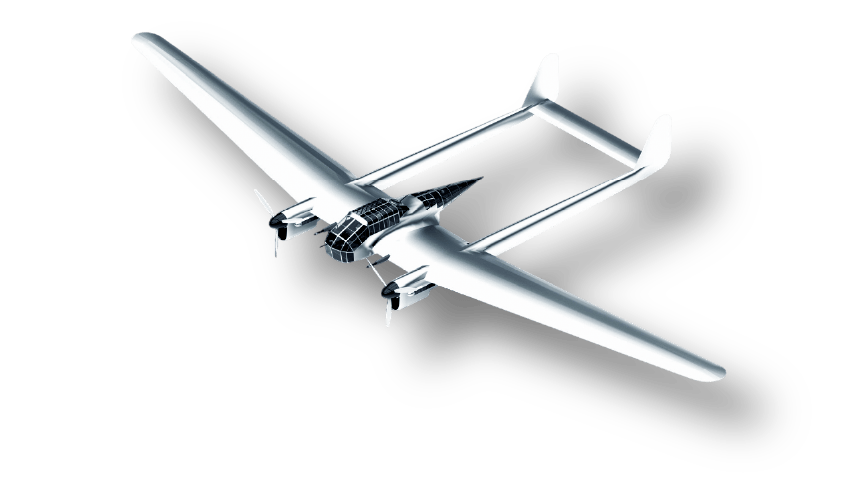
CNC Parts for Surveillence Drones

Coactique aliquotiens nostri pedites ad eos persequendos scandere clivos sublimes etiam si lapsantibus

Advantages of Nylon for
CNC-Machined Drone Parts

Exceptional Impact Toughness
Nylon absorbs significant kinetic energy during collisions, preventing structural failure. This elasticity allows drone arms and landing struts to bend slightly rather than shattering upon impact. It ensures your aircraft remains flight-worthy even after difficult field operations.
Outstanding Wear Resistance
Parts manufactured from this material withstand constant friction and surface contact. This makes it ideal for gears, bushings, and pivot points that move frequently during flight. Your components will maintain their shape and functionality over hundreds of flight hours.
Superior Vibration Damping
The molecular structure of nylon naturally cancels out high-frequency motor noise. Reducing these micro-vibrations protects sensitive flight controllers and helps stabilize camera gimbals for smoother video capture. It results in a quieter, more stable aerial platform.
Strong Chemical Immunity
This polymer remains stable when exposed to grease, cleaning agents, or various weather conditions. It does not degrade or become brittle after contact with common field chemicals. Such resilience makes it a dependable choice for industrial or agricultural drone applications.

What Our Customers Say

  • The impact strength of these nylon landing struts is impressive. We’ve had several rough landings during testing, and the parts just flex and return to shape instead of snapping. The machining quality on the mounting holes is spot on.

    Javier Rossi

    Robotics Technician

  • We shifted to these CNC nylon bushings to solve a friction issue in our gimbal assemblies. The self-lubricating properties work perfectly, and the parts arrived with zero burrs. It’s saved us a lot of time in post-production assembly.

    Grant Miller

    Systems Integrator

  • Weight was our biggest concern for the new frame brackets. These nylon components provided the necessary rigidity while keeping the drone under the weight limit. The turnaround was quick, and the dimensions matched our CAD files exactly.

    Chloe Zhao

    Aerospace Product Lead

Frequently Asked Questions

How do you manage the hygroscopic nature of Nylon during machining?
Nylon absorbs moisture, which can cause dimensional expansion. We store our stock in climate-controlled environments and calibrate our CNC offsets to account for the material's specific moisture content. This ensures the parts meet your final assembly specs despite environmental humidity.
Can you achieve tight tolerances on thin-walled Nylon parts?
Nylon is flexible, so it tends to deflect under cutting pressure. We use specialized high-speed tool paths and sharp geometries to minimize heat and force. This allows us to maintain tolerances of +/- 0.005 mm even on delicate drone housings or ducting.
Which Nylon grade do you recommend for high-stress drone frames?
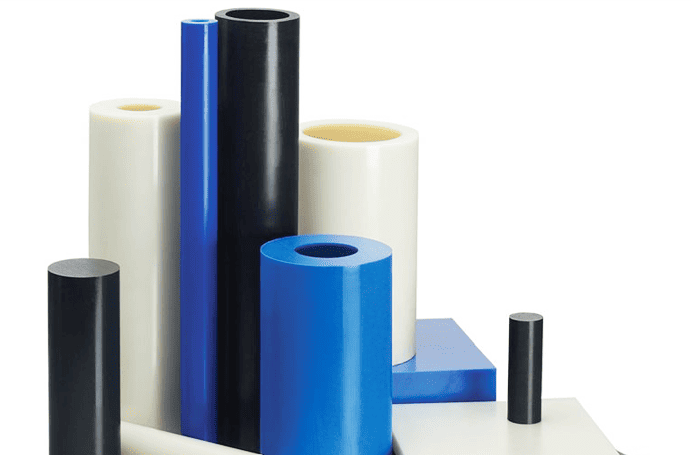
We primarily machine Nylon 6/6 for its superior mechanical strength and stiffness. If your drone operates in extreme temperatures or requires even higher impact resistance, we can source glass-filled or molybdenum-disulfide-filled grades to enhance structural rigidity.
How do you prevent burring on small Nylon features?
Plastics like Nylon can "smear" if the tools are dull or the feed rates are wrong. We utilize polished, single-flute cutters at high RPMs to shear the material cleanly. Every part undergoes a manual inspection to ensure threads and small bores are entirely burr-free.
What is the typical surface finish for your machined Nylon?
Our standard process results in a smooth, matte-to-semi-gloss finish (Ra 1.6-3.2 µm). Because Nylon is naturally self-lubricating, this finish is ideal for moving components like gears or sliding mounts without needing extra surface treatments or coatings.
Does your CNC process affect the material’s impact strength?
No. We use flood coolant to keep the material cool during the milling process. This prevents the polymer chains from degrading due to heat, ensuring that the finished drone part retains its full-rated impact toughness for crash protection.