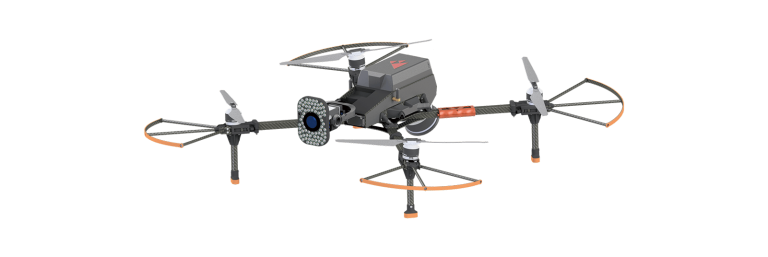
Expert CNC Machining Services for Industrial Inspection UAVs

We manufacture durable frames and protective sensor enclosures for Industrial Inspection UAVs. Utilizing multi-axis CNC technology, we maintain ±0.005 mm tolerances, ensuring sensitive LiDAR units remain perfectly calibrated.

Our facility provides rapid production for reinforced motor arms. By using titanium alloys, we increase structural rigidity by 25%, delivering the professional-grade reliability required for infrastructure monitoring.

See camera gimbal housings.

See drone camera mount frames.

Request a Quote
Industrial Inspection UAVs

Industrial Inspection UAVs

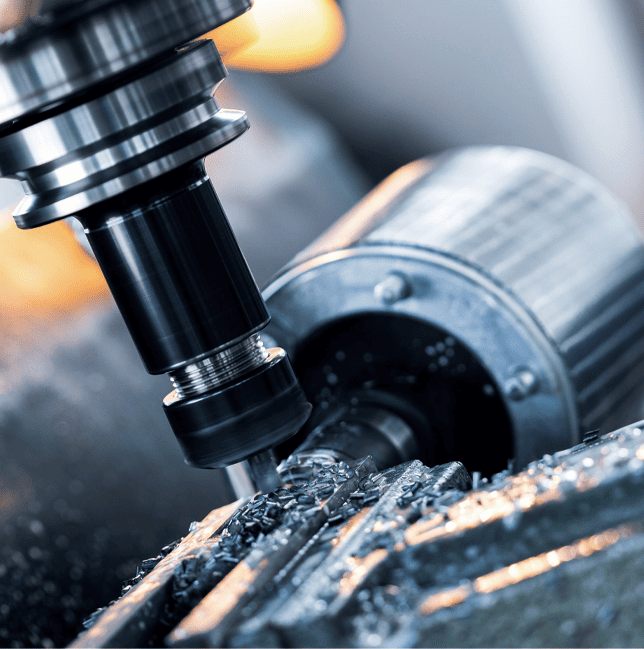
We use 5-axis CNC milling and EDM to achieve ±0.005 mm tolerances, ensuring perfect alignment for high-precision industrial inspection sensors.

  • Antenna Mounting Brackets
  • Heat Dissipation Housings
  • LiDAR Protective Cages
  • Payload Swivel Links
  • Reinforced Motor Mounts

Why Choose DroneCNCParts

Frequently Asked Questions

Which materials optimize industrial inspection UAVs for harsh environments?
We select corrosion-resistant alloys like Titanium or 7075 Aluminum to ensure structural integrity during inspections near offshore rigs or high-heat industrial sites.
How to ensure sensor stability in industrial inspection UAVs?
Vibration damping is a critical manufacturing challenge. Our high-precision machining eliminates mechanical play in sensor mounts, preventing data blurring in LiDAR and thermal imaging systems during high-wind operations.
Why is EMI shielding vital for industrial drone electronics?
We machine specialized housings that provide electromagnetic shielding, protecting sensitive navigation and inspection data from being disrupted by high-voltage power lines.
How do you verify parts for critical infrastructure safety?
Stringent quality documentation is essential for compliance. We provide full material traceability and dimensional inspection reports to meet the rigorous safety standards required for drones operating over public utilities.
What machining techniques reduce the industrial inspection on UAVs weight?
Precision weight reduction is a key engineering consideration. Through complex pocketing and thin-wall milling, we remove excess material without compromising the strength needed to carry heavy, professional-grade payload systems.