Stainless Steel in UAVs: Managing Weight While Ensuring Corrosion Resistance
Alan
Alan specializes in lightweighting materials like Titanium, 7075 Aluminum, and Carbon Fiber. He optimizes machining strategies to ensure drone components maintain structural integrity under high dynamic flight loads.
The aerospace engineering field uses Stainless Steel for building structural elements and high-stress components in drones. The choice of materials affects the operational lifetime, strength capacity, and resistance to environmental factors during demanding missions.
The use of Stainless Steel in UAVs allows manufacturers to maintain structural integrity while addressing corrosion challenges in harsh environments. The military needs proper material optimization from surveillance UAV systems to maritime operations. It also protects their equipment from excessive weight challenges.
What are UAVs?
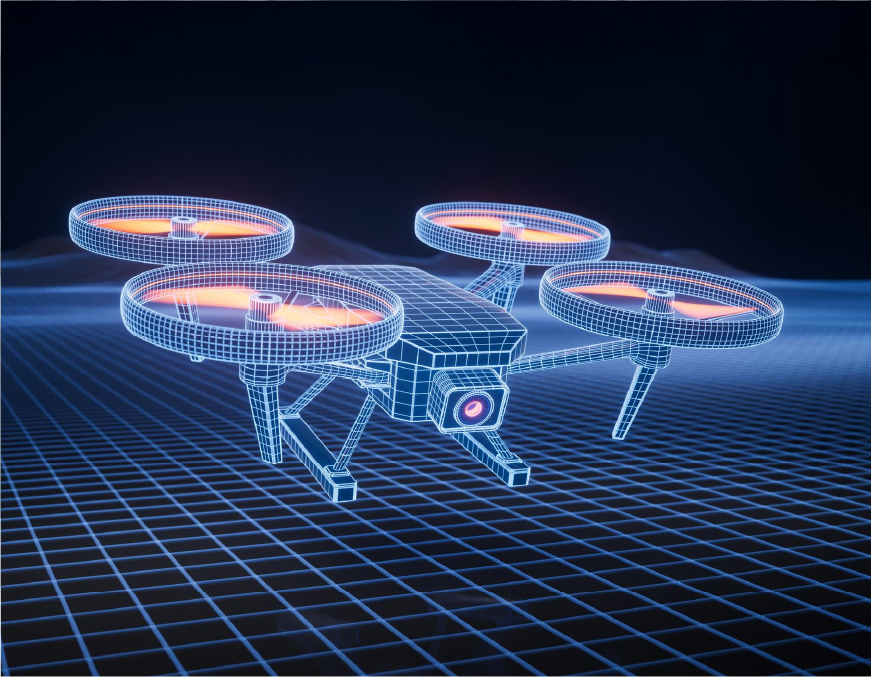
Unmanned Aerial Vehicles (UAVs) are remotely operated or autonomous aircraft used for surveillance, inspection, mapping, logistics, and defense operations. A surveillance UAV operates in complex environments that demand lightweight structures, stable flight performance, and high material durability.
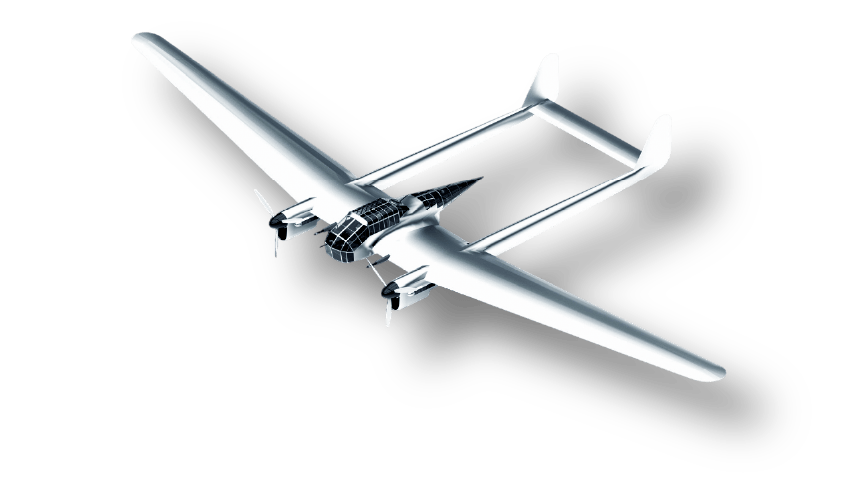
UAV platforms range from small quadcopters to large fixed-wing aircraft. Structural components need to withstand vibration forces and temperature fluctuations. Also, all types of environmental conditions make material selection an essential engineering choice.
Why Stainless Steel is Used in UAV Production?
Aerospace engineers select stainless steel in UAVs because it offers both outstanding mechanical strength and high resistance to corrosion. Load-bearing parts that need to support weight will use stainless steel for their lifespan. Manufacturers will build lightweight airframe structures with metallic alloys. Here are a few features that show why stainless steel is important in UAV production.
Superior Tensile Strength
The tensile strength of stainless steel exceeds that of most lightweight alloys. The components of UAVs that carry weight, including shafts, hinges and fasteners, need this material to maintain their structural integrity.
Excellent Thermal Resistance
UAV systems experience temperature variation from motor heat and environmental exposure. The stainless steel material retains mechanical properties from low to high temperatures, which enables its usage in long-term operations.
Impact Damage Protection
UAV components are exposed to shock loads during their field operations, which include landing and transportation activities. Stainless steel in UAVs provides protection against impacts while decreasing the chances that materials will undergo structural changes.
Corrosion Resistance Benefits of Stainless Steel in UAVs
Environmental exposure represents the main obstacle that prevents drones from achieving optimal performance. The use of stainless steel in UAVs enables extended operational time because it stops oxidation and prevents structural material breakdown. The material creates a protective oxide layer through its chromium-rich content, which shields surfaces from water and chemical damage. Here are a few benefit that shows the corrosion resistance in UAVs.
Maritime Environment Protection
Surveillance UAV platforms operating near coastlines or offshore installations require protection against humidity and salt-laden air. Stainless steel in UAVs provides long-term resistance in marine environments.
Salt Spray Resilience
Salt spray accelerates corrosion in conventional metals. The material provides protection against chloride attacks, which makes it suitable for use on naval and maritime UAV systems.
Chemical Exposure Defense
Chemical vapors and pollutants may occur at sites where industrial inspection UAVs operate. Stainless steel in UAVs maintains its structure when exposed to oils and fuels and mild corrosive substances.
Stainless Steel in UAVs: Balancing Weight and Strength
The flight duration and maneuverability of aircraft depend on their weight. The use of advanced engineering techniques optimizes stainless steel performance even though its density exceeds that of aluminum. The strategic placement of stainless components provides structural strength at vital points while keeping the entire system lightweight.
High Strength-to-Weight Ratios
Certain grades of stainless steel in UAVs offer favorable strength-to-weight characteristics. This design method enables engineers to create products that use less material while maintaining their necessary mechanical qualities.
Thin-Wall Machining Potential
Precision CNC machining enables thin-wall stainless components that reduce mass without sacrificing rigidity. This approach is common in stainless steel in aerospace applications.
Structural Mass Optimization
The process of topology optimization enables engineers to create better designs that use less material through selective reinforcement. The design includes stainless steel components in areas where the material will experience maximum stress to protect the flying capability.
Weight Management and Reduction Strategies for Stainless Steel in UAVs
Stainless Steel in UAVs provides exceptional protection against physical damage and chemical damage. The engineering field considers weight management to be an essential goal. The Advanced machining and smart material integration techniques enable manufacturers to create lightweight designs that maintain their necessary structural strength.
Precision Swiss Machining
Swiss machining produces slender stainless components that require ultra-precise dimensions. It allows tight tolerances with minimal material waste, making it ideal for small UAV shafts and connectors.
Internal Pocketing Techniques
CNC internal pocketing removes unnecessary core material without compromising external strength. This method achieves weight reduction for components while maintaining their load-bearing structural strength.
Hybrid Material Integration
Engineers combine stainless steel with aluminum or carbon fiber in non-critical zones. This hybrid system enables structural soundness that supports optimal weight distribution throughout the UAV.
Best Grades of Stainless Steel for UAVs
316L Marine Grade
316L stainless steel delivers exceptional protection against chloride corrosion. The material serves as a fundamental component in UAV platforms, which conduct maritime surveillance under saltwater conditions.
17-4 PH Steel
17-4 precipitation-hardening steel delivers exceptional strength and hardness properties. The material serves as a perfect choice for structural parts that must support heavy loads.
304 Steel
304 stainless steel provides corrosion protection and easy machining capabilities. The material serves as a common choice for various UAV components that have general applications.
440C
440C stainless steel delivers exceptional material hardness along with protection against wear damage. The material applies to precision bearings and drive components along with rotating assemblies.
Key UAV Components Made from Stainless Steel
Motor Drive Shafts
Stainless steel shafts transmit rotational power with high torque resistance. The materials maintain their precise dimensions through vibration and load-bearing conditions.
Folding Hinge Mechanisms
UAV arms that fold need stainless steel hinges because of their ability to provide strength and fatigue resistance. The mechanism ensures secure deployment during repeated flight cycles.
Heavy-Duty Fasteners
High-strength stainless fasteners provide reliable assembly in vibration-intensive environments. The materials protect against both loosening and corrosion damage throughout their entire lifespan.
Landing Gear Components
Landing gear structures experience repeated impact forces. Stainless steel in UAVs creates greater strength for landing gear structures because it enables them to endure forceful impacts.
Camera Gimbal Supports
Surveillance UAV camera systems require rigid support structures. The combination of stainless steel gimbal mounts provides strong support while withstanding environmental corrosion damage.
CNC Machining Challenges of Stainless Steel in UAVs
The advanced CNC expertise required to machine stainless steel for UAVs stems from its material toughness and work-hardening properties. The material achieves full mechanical strength and corrosion resistance through proper machining. Any machining mistakes will create dimension problems and shorten the tool’s performance life.
Managing Work Hardening
The cutting process causes stainless steel to experience rapid hardening. Surface hardening requires controlled feed rates with sharp tooling to achieve precise results.
Tool Wear Mitigation
The material’s elevated strength creates more tool wear than aluminum alloys experience. The combination of coated carbide tools with optimized cutting speeds delivers extended tool life while enhancing machining performance.
Heat Dissipation Control
The heat retention of stainless steel during machining operations leads to potential tolerance problems. The maintenance of dimensional stability requires proper coolant application together with effective heat management techniques.
Surface Treatments for Enhancing Stainless Steel Performance
Post-machining surface treatments establish maximum durability for aerospace stainless steel. The processes create improved corrosion protection together with enhanced surface smoothness, which results in longer-lasting components.
Passivation
The process of passivation removes free iron contaminants while it strengthens the protective oxide layer. The improvement boosts corrosion resistance, which proves to be effective in humid and maritime environments.
Electropolishing
Electropolishing eliminates microscopic surface flaws from materials. The process enhances corrosion resistance while reducing friction in precise UAV components.
Protective PVD Coatings
Through Physical Vapor Deposition, thin protective layers are added to surfaces. The materials enhance wear resistance while decreasing surface brightness in surveillance UAV systems.
Thermal Stability of Stainless Steel in Surveillance UAVs
Surveillance UAV systems need thermal performance because of their operation in different climate conditions. The material maintains its mechanical properties through temperature variations, which enables dependable operational performance.
High-Temperature Operating Range
Stainless steel in UAVs demonstrates excellent performance under both motor and electronics temperature increases. The material maintains its structural strength while it resists softening.
Consistent Mechanical Properties
It exhibits mechanical properties that remain stable throughout temperature variations, unlike certain lightweight alloys. The system ensures stable structural performance throughout all mission durations.
Thermal Expansion Control
Controlled thermal expansion establishes proper alignment for precision assemblies. The system serves as a vital component for both camera mounts and rotating parts used in surveillance UAV systems.
Design Considerations for Stainless Steel in UAVs
The integration of stainless steel into UAV structures demands precise engineering work to create an ideal balance between structural strength and lightweight design. The design optimization process delivers optimal performance results through mass reduction.
Minimum Wall Thickness
Engineers need to find the best wall thickness that offers strength protection without adding excessive weight. The ability to create thin yet strong component walls comes from precision machining.
Stress Concentration Points
The presence of sharp corners, together with sudden geometry changes, creates stress accumulation areas. The use of proper fillet radii together with structural transitions will decrease fatigue failure chances.
Assembly Fastening Methods
The application of correct fastening techniques stops pieces from becoming loose during vibration. The combination of thread design with torque control plus locking mechanisms will enhance structural dependability.
Conclusion
The material of stainless steel provides critical strength, corrosion resistance and thermal stability. It is an essential component for UAV production. The proper engineering of stainless steel for UAV applications leads to strong materials that maintain their operational performance.
At DroneCNCParts, we focus on precise CNC machining for aerospace stainless steel components. We create designs specifically for surveillance UAV and industrial drone applications. Contact us today to develop optimized, corrosion-resistant UAV parts built for demanding missions.