Precision Machining for Agriculture Drones: Protecting Components from Chemical Corrosion
Kim
Kim oversees complex DFM reviews and process planning. He specializes in tight-tolerance machining for drone gimbals, motor mounts, and propulsion systems, ensuring flight-critical precision and structural integrity.
Agriculture drones are used in some of the toughest commercial environments. The constant exposure to fertilisers, pesticides, and moisture accelerates material degradation. Precision machining for agriculture drones plays an important role in defensive structures. Also, structural components must survive chemical corrosion while maintaining flight stability.
Protecting components from chemical corrosion is not optional for agricultural commercial drones. It directly impacts safety, operational lifespan, and total ownership cost. Engineering decisions at the machining stage provide long-term durability in aggressive farming conditions.
What are Agriculture Drones?
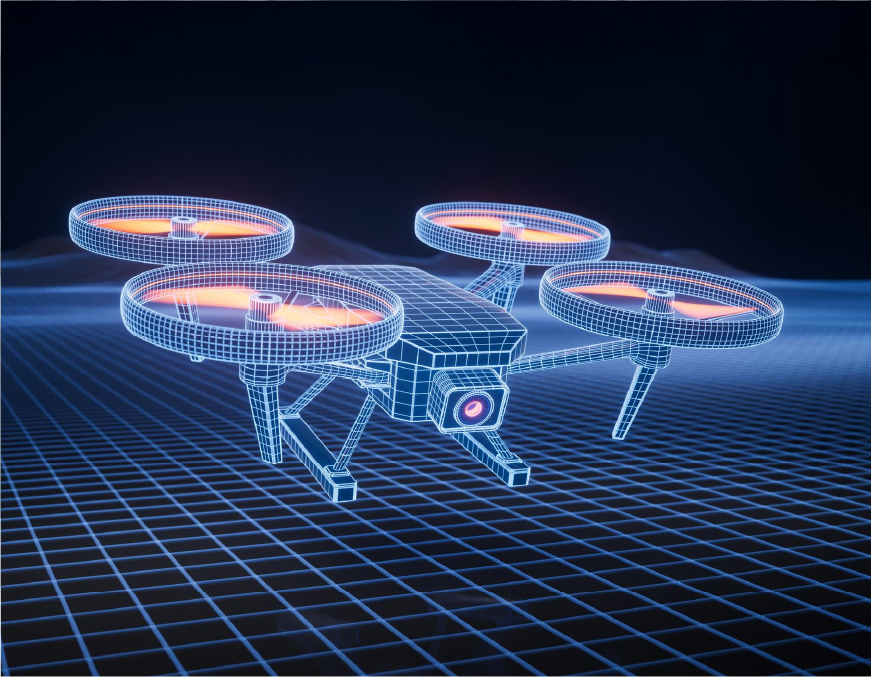
Agriculture drones are specialised aerial systems designed for precision farming applications. These applications include crop monitoring, field mapping, soil analysis, and chemical spraying. Their frames, motor assemblies, and electronic housings must endure multiple contacts with reactive substances. The system maintains both aerodynamic efficiency and structural rigidity through its design.
Why Chemical Corrosion is a Critical Threat to Agriculture Drones
Operating in direct contact with aggressive farming chemicals, agriculture drones function differently from consumer UAVs. They operate in environments that include fertilizers and pesticides along with high levels of moisture.
Structural Integrity Risks
Components like aluminium frames, fasteners, and structural joints lose strength through corrosive fertilizers and pesticide formulations. The process of degradation results in lost load-bearing capacity, which affects vibration resistance during flight. Operational stress causes micro-pitting and surface oxidation to create cracks or structural failure.
Costly Operational Downtime
The presence of corrosion has two outcomes, which are maintenance cycles and replacement of parts that were not anticipated. The peak farming season for agricultural commercial drones results in operational downtime, which decreases commercial productivity and revenue generation. The need for frequent repairs decreases fleet reliability, which creates problems for time-sensitive crop management processes.
Accelerated Material Fatigue
The combination of chemical exposure, vibration plus cyclic loading leads to faster fatigue development in machined parts. Boom arms, motor mounts, and spray brackets have high exposure to damage. Corrosion creates stress points that decrease fatigue life and lead to shorter service intervals for vital assemblies.
Analyzing Chemical Exposure Risks in Agriculture Drones
Fertilizer Acidity Levels
The majority of nitrogen-based fertilizers, together with soil treatment products, contain acidic components. The materials begin to oxidize, and their surfaces start to break down when they come into contact with aluminium alloys. The absence of appropriate surface treatment for the materials results in continuous exposure, which decreases the lifespan of the components.
Pesticide Spray Drift
A spray drift produces a chemical mist that settles on the motor housings, fasteners, connectors, and structural joints. The process of residue accumulation occurs even in sealed spaces as time goes by. The chemical coating leads to metal corrosion. It occurs more rapidly in areas with high humidity that are utilized for farming.
High Humidity Oxidation
Agricultural environments come with moist field conditions and operational irrigation systems. The presence of moisture, together with chemical residues, creates a condition that speeds up the oxidation process. The presence of high-humidity conditions makes multi-metal agriculture drones more vulnerable to galvanic corrosion as they contain different types of metals.
High-Risk CNC Components in Agriculture Drones
Motor Mount Assemblies
Motor mounts face strong vibrations while they also deal with chemical spray exposure. Mount interfaces that suffer from corrosion lead to misalignment problems, which result in balance issues and flight stability problems. The precision machining process, together with protective finishing, must be applied to maintain proper dimensional stability.
Spray Nozzle Brackets
Spray brackets maintain constant chemical contact with liquid materials during their operation. The selection of improper materials, together with the lack of proper coating, results in products that become damaged quickly. It creates problems with spray pattern alignment and chemical distribution throughout the crops.
Boom Arm Connectors
Boom arm connectors function as structural components that bear weight while they handle chemical delivery systems. The connection points experience corrosion, joint components become loose, and the structure loses its rigidity. The combination of high-precision CNC machining and corrosion-resistant materials delivers exceptional protection against long-term damage.
Material Selection for Corrosion-Resistant Agriculture Drones
The process of choosing materials that resist corrosion establishes the essential foundation for precision machining. The selected materials establish the complete project path. It includes structural lifespan achievement, weight distribution success, and protection against aggressive agricultural spray formulations.
Aluminum Alloys
The lightweight design of high-grade aluminum alloys delivers powerful strength, which protects against corrosion when engineers apply appropriate surface treatment. The aerospace-grade versions deliver better durability protection for agricultural spray drones, which experience multiple chemical exposure events.
Stainless Steel
Stainless Steel 316 provides superior protection against chloride exposure and common farming acidic fertilizer solutions. The presence of molybdenum in the material provides enhanced protection for high-moisture precision agriculture drones during extended spraying operations.
Titanium
Titanium provides outstanding protection against corrosion while delivering a high strength-to-weight ratio for essential load-bearing parts. The material maintains its operational performance throughout agricultural commercial drone operations, which involve constant chemical spraying and high humidity conditions.
PEEK
PEEK is a thermoplastic material that delivers high-performance properties through its chemical stability and mechanical strength attributes. The material maintains its dimensional integrity under both thermal and mechanical stress while resisting damage from high-strength pesticides.
PTFE
PTFE delivers exceptional chemical stability together with very low friction characteristics, which protect surfaces from wear. The material works as a sealing and lining solution. It operates together with agriculture drone components that handle direct chemical exposure during spraying operations.
Nylon
The material of engineering-grade nylon provides sufficient protection against chemical damage while simultaneously absorbing vibration energy. The material serves as a standard component for brackets and protective housings, which protect drone equipment used in agricultural applications.
Precision Machining Methods for Agriculture Drones
Modern machining techniques guarantee precise measurements and dependable manufacturing results for components that resist corrosion. The accuracy of precision machining operations determines how well parts fit during assembly and how long they will stay intact.
5-axis CNC Machining
5-axis CNC machining enables complex geometries with minimal repositioning and improved dimensional accuracy. The solution decreases surface defects, which create areas where chemical residues will build up during the chemical buildup period.
CNC Milling
CNC milling creates precise flat surfaces, which include slots and structural mounting elements. High-accuracy milling creates better sealing connections, which stop corrosion from developing through assembly joint gaps.
CNC Turning
CNC turning delivers precision shaft and connector production, which includes threading capabilities for both parts. The process of creating smooth surface finishes helps to eliminate tiny openings, which lead to chemical buildup and subsequent oxidation.
CNC Drilling and Tapping
Drilling and tapping processes create precise holes that establish the correct dimensions for all fasteners and structural joints. Proper thread machining reduces stress concentrations, which lowers the risk of corrosion starting at those locations.
Surface Treatments That Protect Agriculture Drones
Type III Hardcoat Anodizing
The Type III hardcoat anodizing process generates an aluminium oxide coating, which forms an oxide layer on aluminium surfaces. The coating provides agriculture drones with enhanced protection through its improved resistance to wear and chemical substances.
Electroless Nickel Plating
Electroless nickel plating delivers complete corrosion protection through its uniformity. It does not depend on electrical current during the metal coating process. The material maintains strong protection against fertilizer acidity and pesticide exposure.
Chemical Passivation Processes
The process of passivation removes free iron particles from all surfaces of stainless steel. The process enhances natural oxide layer development. It provides improved corrosion protection functions in environments with high humidity in agricultural settings.
Designing CNC Agriculture Drone Parts for Chemical Drainage
The design optimization process achieves better surface conditions through its design, which stops chemical substances from building up on surfaces. The effective drainage design system provides agriculture drones with enhanced operational durability. It improves their capacity to handle daily operations.
Gravity Fed Geometries
The design of components should achieve natural slope angles that enable liquids to flow away from the surface. The correct geometry design prevents chemical substances from accumulating on both structural elements and mounting surfaces.
Strategic Weep Holes
The design of weep holes enables the removal of trapped liquids from sealed assembly spaces. The correct placement of elements in the system leads to reduced moisture accumulation and decreased chances of internal corrosion occurring.
Liquid Runoff Channels
The system includes built-in runoff channels that direct chemical substances away from important structural points. The design protects essential joints while extending the useful life of all components in the system.
Preventing Galvanic Corrosion in Multi-Metal Agriculture Drones
The agriculture drones, which contain multiple metal components, face increased danger of galvanic corrosion when exposed to chemical substances. Proper electrical isolation functions together with material pairing methods that guarantee structural integrity for extended periods of time.
Electrical Isolation Methods
The use of non-conductive washers and bushings, together with coatings, prevents any direct contact between different metal types. The process of isolation eliminates the electrochemical reactions that fertilizer moisture and pesticide residues create.
Dissimilar Metal Buffers
The use of compatible intermediary materials reduces the potential difference that exists between adjacent structural metal components. The application of buffer layers slows down the pace of corrosion for agriculture drones, which operate in humid conditions.
Sacrificial Anode Integration
Sacrificial anodes function as protective elements that corrode first to safeguard essential structural elements from damage. The development of controlled corrosion methods extends the operational lifespan of agriculture drones.
Testing and Validation for Chemical Resistance in Agriculture Drone Parts
Comprehensive validation establishes that components can withstand extreme agricultural chemical conditions during their complete operational lifespan. Controlled testing identifies early corrosion risks before large-scale production deployment.
Salt Spray Testing
Salt spray testing uses controlled saline mist exposure to create conditions that accelerate corrosion testing. It assesses the ability of coatings to endure agricultural drone testing and the base material protection capability of agriculture drones.
Accelerated Immersion Trials
Immersion testing conducts tests that let components experience fertilizer and pesticide solutions for specific time periods. The results determine how fast surfaces degrade and how well materials work together.
Stress Corrosion Analysis
Stress corrosion analysis examines how cracks develop when materials experience both mechanical forces and chemical substances. This testing establishes structural reliability for precision agriculture drone components.
Long-Term Durability Strategies for Agriculture Drone Production
Sustainable production strategies enhance lifecycle performance, which results in lower maintenance costs for agricultural farming drones. Design planning needs to establish serviceability as well as time-based replacement scheduling.
Modular Part Replacement
Modular assemblies enable the replacement of damaged components without the need to deconstruct entire building systems. This technique reduces downtime during critical spraying times.
Predictive Maintenance Schedules
Predictive maintenance schedules use inspection intervals that depend on the intensity of exposure and the operational duration of the equipment. Scheduled servicing helps prevent unexpected agriculture drone failures during spraying operations
Conclusion
Agriculture drones need materials that resist corrosion and components that require precise machining under controlled conditions to achieve reliable performance over time. The chemical corrosion protection of components enhances operational safety and efficiency, which leads to extended operational equipment lifespan.
DroneCNCParts provides precision-engineered solutions that meet the specific requirements of agricultural environments. Our team is available to assist you with enhancing your agricultural drone manufacturing process when you contact us today.