Why Matte Finishes are Crucial for Tactical and Surveillance Drones
Tim
Tim focuses on advanced treatments like Hard Anodizing and EMI shielding. He ensures drone parts resist corrosion and friction while meeting the aesthetic and functional specs of modern aircraft.
The tactical performance of drones depends on their matte finish because it determines their ability to maintain secrecy and survive missions, which are critical for mission success. The surface reflections that modern ISR operations detect during their operations make it difficult to hide because they increase the chances of detection.
We use engineered matte finishes in our precision-machined components to achieve visual discretion for our parts, which need to withstand rough environmental conditions.
Why Use Matte Finishes in Tactical and Surveillance Drones?
Matte finishes in tactical and surveillance drones decrease surface reflectivity, and they control light interactions with structural components. The finishes achieve their purpose by spreading light that falls on them, which prevents direct reflection to the observer. They decrease visual contrast and eliminate strong glare signs that show where drones are located.
They improve their ability to blend into different environments, which include desert, forest, urban and maritime regions. Intelligence and reconnaissance missions require operators to decrease their visibility to ground observers, cameras, and aerial monitoring systems. This practice improves their chances of survival.
Visual Stealth Benefits for Tactical and Surveillance Drones
Background Color Blending: Matte textures absorb light rather than reflect it, helping drone surfaces merge seamlessly with natural surroundings.
Shadow Contouring Effects: Non-reflective finishes reduce hard surface edges and visual contrast, minimizing recognizable drone outlines.
Low-Visibility Flight Profiles: The drone becomes less visible during daytime and high-altitude operations because its surface glare has been decreased.
How Matte Finishes Reduce Light Reflection in Tactical and Surveillance Drones
Eliminating Sunlight Glint: The matte coatings create a barrier that stops bright flashes from occurring when direct sunlight strikes metallic or composite surfaces.
Managing Specular Reflection: Engineered surface roughness technology decreases mirror-like reflections, which lead to increased visibility from great distances.
Diffusing Artificial Light: The matte finishes reduce searchlight and urban lighting visibility during nighttime operations by diffusing the light.
Matte Finishes vs Glossy Surfaces in Tactical Surveillance Drone Design
Surface gloss level directly changes operational stealth and detection probability in real-world missions. Matte finishes frequently outperform glossy coatings in tactical applications.
Performance Comparison Data
Matte surfaces demonstrate significantly lower reflectance values compared to high-gloss coatings under identical lighting conditions.
Detection Risk Analysis
The presence of glossy surfaces leads to increased optical signature visibility during operational periods. It occurs at both dawn and dusk.
Gloss Unit (GU) Metrics
Matte finishes typically measure below 10 GU, while glossy coatings exceed 70 GU, increasing reflectivity risk.
Key Components Requiring Matte Finishes in Tactical Drones
Airframe and Chassis
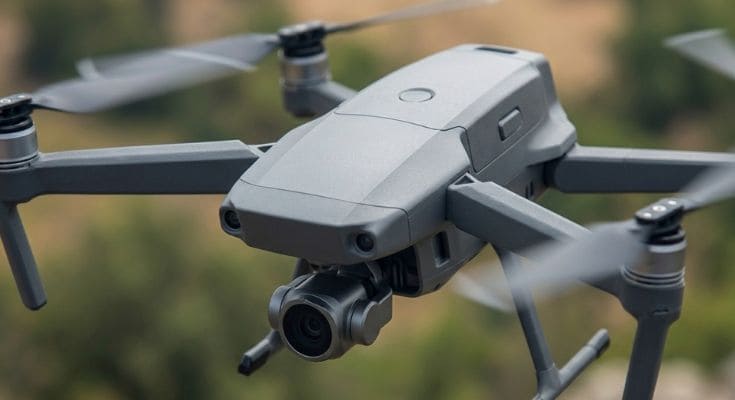
The main structural body must feature low-gloss surfaces to prevent sunlight reflection during flight. The application of matte treatment to airframes leads to a decrease in their visibility against both ground and sky environments.
Camera Gimbal Housings
Gimbal housings need non-reflective coatings because light would disrupt their optical sensor operations. Matte surfaces also minimize visual detection during surveillance missions.
Propeller Blade Surfaces
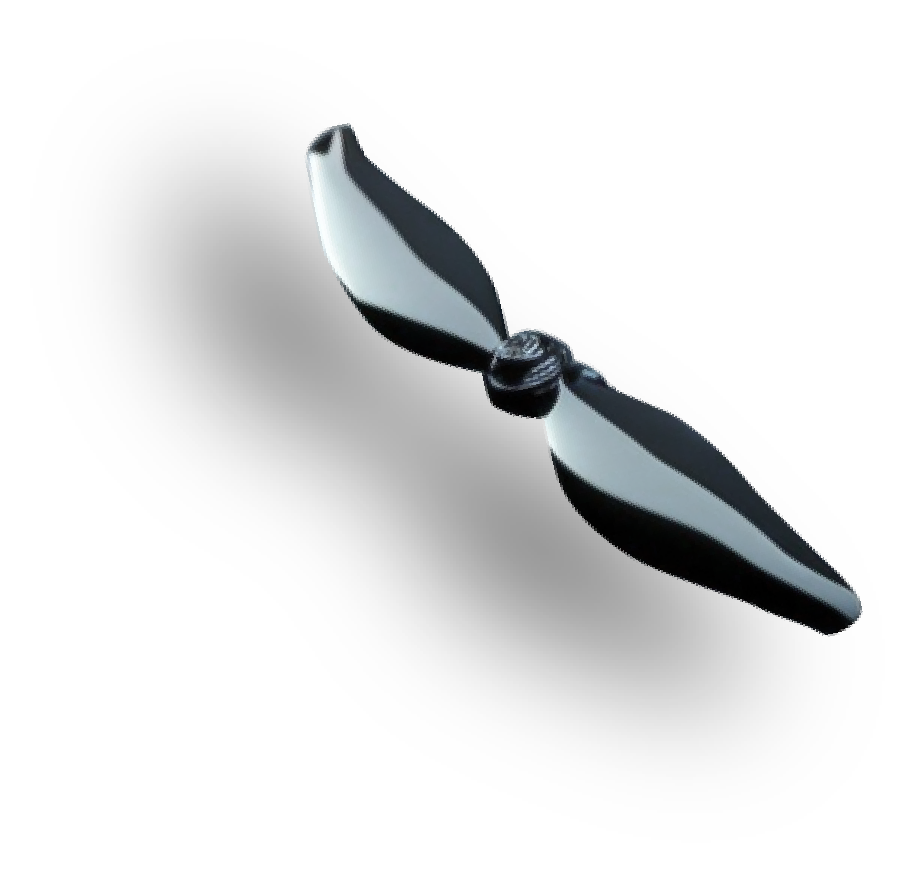
Glossy propeller blades reflect light during their spinning motion. The use of matte-coated blades helps pilots achieve flight paths that require low visibility because the blades eliminate glint effects.
External Antenna Casings
Antenna housings are often exposed and highly visible if reflective. Matte finishes minimize shine but still allow for uninterrupted signal transmission.
Internal Optical Baffles
Optical baffles need to capture all stray light that enters camera systems. Matte black finishes prevent internal reflections, which would create blurriness in the imaging process.
Materials for Matte Finishes in Tactical and Surveillance Drones
The choice of materials directly determines the operational performance of matte finishes at their highest point. Proper substrates allow materials to keep their strength and bond with surfaces while they remain hidden from detection.
Aluminum Alloys
Drone frames commonly use aluminum because it provides a strong material that has a lightweight construction. The aluminum material obtains durable matte textures through the processes of bead blasting and anodizing treatment.
Carbon Fiber Composites
Carbon fiber exhibits low reflectivity because it maintains its proper finishing. The material is able to deliver structural rigidity while maintaining excellent stealth characteristics.
High-Performance Thermoplastics
Engineered polymers can be molded with matte surface textures. The materials provide lightweight options that can withstand chemical exposure and environmental conditions.
Titanium Alloy
Titanium offers strength and resistance to corrosion, while its surface can be treated with a matte finish. The material serves as an ideal choice for all essential components that will endure extreme environmental conditions.
Magnesium Alloys
Magnesium alloys provide ultra-lightweight structural support. The material achieves durable matte finishes, which are necessary for tactical operations, after it undergoes appropriate treatment.
Surface Treatment Methods for Matte Finishes in Surveillance Drones
Advanced surface treatments create controlled low-gloss textures that preserve their mechanical strength. The processes create matte performance which endures through extreme environmental and operational situations.
Bead Blasting
Bead blasting produces a surface texture that creates even surface roughness that scatters light, which reflects from it. It prepares metal components for the application of protective coatings, which will follow.
Chemical Etching Processes
The chemical etching method changes the microstructure of surfaces to lower their light reflectance. The process produces uniform matte finishes which can be applied to various complicated designs.
Type III Anodizing
The process of hardcoat anodizing increases the hardness of surfaces while keeping their gloss appearance at a minimal level. The material provides better protection against corrosion while extending the durability of its structural components.
Powder Coating
The matte powder coatings create long-lasting finishes that do not reflect light. The products protect against environmental damage while maintaining specific gloss levels.
IR Signature Reduction in Tactical and Surveillance Drones
The process of infrared signature control allows thermal imaging systems to detect targets without detection. The use of matte treatments helps to decrease both visible light and thermal radiation signatures.
Thermal Emission Control: The specialized coatings control the patterns that heat radiation emits. The process makes thermal hotspots unrecognizable during flight missions.
Infrared Absorbing Pigments: The IR-absorbing additives reduce the amount of infrared light that can be reflected. The materials help drones maintain a lower detection level by night-vision devices.
Heat Dissipation Management: The specially designed surface treatments enable precise heat distribution control. The process prevents key structural areas from showing excessive heat signatures.
Durability of Matte Finishes in Tactical Drones
The performance of matte coatings needs to survive through extreme operational conditions. Testing for durability verifies that the system will maintain its stealth capabilities throughout extended use.
Abrasion Resistance Testing
The evaluation process tests surface treatments against two types of mechanical damage, which include friction. The process ensures that matte textures will stay complete throughout the entire period of usage.
UV Degradation Protection
The UV-resistant coatings stop fading and gloss alterations that would happen with time. The process maintains stealth characteristics through time.
Chemical Exposure Resilience
The protective layers establish defense against fuels, oils and environmental pollutants. The process maintains both structural integrity and matte performance.
Conclusion
Matte finishes are essential for enhancing stealth while decreasing reflection and detection risks in tactical and surveillance drones. The selection of materials, together with surface treatment processes, determines how well operations will survive.
At DroneCNCParts, we create CNC components with precision engineering combined with defense-optimized matte surface technology. We invite you to develop drone parts that achieve stealth and durability requirements for your mission.