Common Materials for Drone Manufacturing: A Complete Guide
Alan
Alan specializes in lightweighting materials like Titanium, 7075 Aluminum, and Carbon Fiber. He optimizes machining strategies to ensure drone components maintain structural integrity under high dynamic flight loads.
When you build or buy a drone, be mindful of the material it is made of, as it affects how light, strong, and fast your drone will be.
Below, you will learn about common materials for drone manufacturing and why they matter. If you want better performance or lower cost, the right material helps you reach your goal.
Key Drone Materials
Carbon Fiber
Carbon fiber is one of the top materials used in drones because it gives great performance. You get speed, strength, and durability without adding much weight.
It is made by weaving thin carbon strands into fabric, then mixing them in a resin to form a hard, solid structure. This makes it tough, stable, and perfect for key drone parts.
Carbon fiber is much lighter than metals like aluminum, but it can handle more stress. It resists rust and holds up well outdoors and even under load. It is also stiff; it won’t bend or warp under pressure, helping your drone stay steady during flight.
Applications of Carbon Fiber in Drone Construction
Frames: A lighter frame means better battery life and easier control in flight.
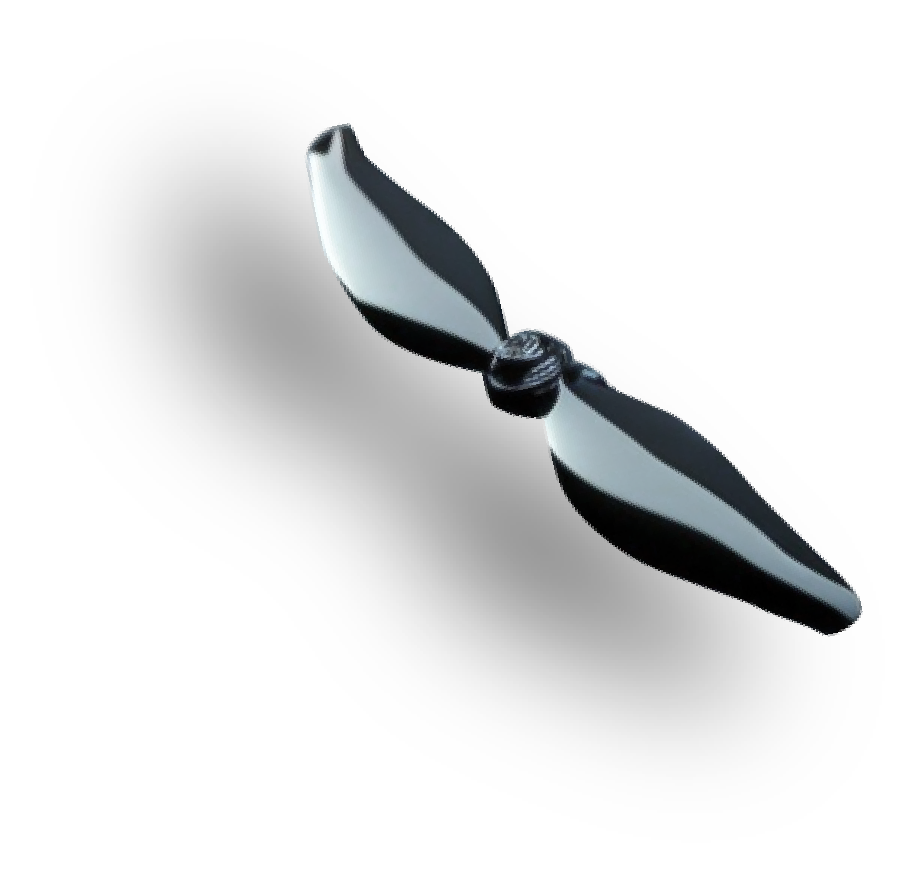
Propeller Blades: Carbon fiber blades stay firm without adding weight, allowing smooth rotation with less vibration.
Reinforced Parts: You can also use carbon fiber for arms, motor mounts, and other key spots that take a lot of force.
Advantages of Using Carbon Fiber
Longer Flight Time: Because of its light weight, it can make your drone fly farther and stay in the air longer without needing to recharge as often.
Crash Resistance: Strong structure helps absorb impact and lowers the chance of damage. Carbon fiber makes your drone durable and can handle hard landings or collisions better than most materials.
Handles Heat: Carbon fiber can take the heat without warping or weakening. It can stay safe and stable near motors and electronics that generate heat, especially during long or intense flights.
Better Handling: Light frame improves speed, turning, and control in flight. It is most useful for racing, tight navigation, or filming in tricky spots.
Smooth, Stable Flight: Carbon fiber is stiff, which helps reduce flex and vibration in the frame and propellers. Minimal vibration means better stability, quieter flight, and clearer video if you are using a camera.
Limitations
Carbon fiber costs more than plastic or aluminum, which can raise your drone’s total price. And even if it is strong, it can still crack if hit hard at the wrong angle, since it does not bend like softer materials.
Aluminum Alloys
Aluminum alloys are a trusted material in drone builds. If you need a drone that is strong, light, and affordable, it is a solid option. Pure aluminum is soft, but when it is mixed with elements like magnesium or silicon, it becomes more durable.
They handle heat well and resist rust, making your drone operate even in rough conditions. Your drone stays stable in humid, dry, or dusty environments.
Applications of Aluminum Alloys in Drone Construction
Arms: Aluminum alloy arms connect the motors to the body. They keep things stable and light.
Motor Mounts: These parts hold your motors firmly in place. Aluminum’s stiffness cuts vibration and helps with precision control.
Heat Sinks: Aluminum moves heat away from hot parts like motors and electronics, helping keep your system cool and operate efficiently.
Advantages of Using Aluminum Alloys
Strong and Lightweight: They can take stress and impact without weighing your drone down.
Corrosion Resistant: The surface forms a protective layer that helps it to last longer in wet or rough conditions.
Cost-Effective: Cheaper than carbon fiber, aluminum keeps costs down while still giving good performance.
Easy to Machine: It is simple to cut, shape, or drill.
Limitations
Aluminum alloys give you good strength, but they are not as light or stiff as carbon fiber. If you are building a racing drone or one that needs to fly longer, this could affect performance. They can also bend or dent under heavy impact, so you will need to check your parts regularly for damage, particularly in high-stress applications.
Plastics and Composites
When you are looking for materials that keep your drone light, tough, and do not cost too much, plastics and composites are a smart choice.
Plastics like ABS, polycarbonate, and nylon are known for being tough, flexible, and easy to shape. When you mix them with materials like fiberglass or carbon fiber, you get composites that are even stronger while still staying light.
Applications of Plastics and Composites
Outer Shells: Plastics are often used for covers that protect electronics from dust, moisture, or minor impacts. ABS is a top choice here because it is tough and affordable.
Landing Gear: The flexibility of plastic helps absorb shock during takeoff and landing. Nylon-based materials are often used because they are strong without adding extra weight.
Propeller Guards: These need to be strong enough to protect blades but light enough not to affect performance. Plastic composites work well for this.
3D-Printed Parts: You can quickly print custom plastic parts for prototypes or one-off builds. It is fast, cheap, and helps you test ideas early.
Advantages of Using Plastics and Composites
Lower Cost: It is cheaper than metals or carbon fiber.
Easy to Shape: You can mold plastic into almost any form. That is useful for making aerodynamic parts or tight-fitting housings.
Shock Absorption: Unlike stiff materials, plastics can flex slightly under stress, which helps avoid cracks or breaks from minor impacts.
Lightweight: Your drone stays agile and efficient, especially in small builds.
Limitations
Plastics can wear down over time if exposed to too much heat or strong UV rays. Some parts may become soft or brittle with long use in harsh conditions. Plastics may not be the right material if you are building a drone that needs to carry a heavy load or has parts that must stay very stiff.
Magnesium Alloys
If you are trying to cut weight without losing strength, magnesium alloys are worth looking into. They are some of the lightest structural metals you can use, and when mixed with elements like aluminum or zinc, they get even tougher and more resistant to heat and corrosion.
Applications of Magnesium Alloys
Frames and Arms: Magnesium alloys are great for drone structures that need to be light but still sturdy.
Motor Housings: These metals can handle heat well, making them perfect for motors that get hot during flight. They also help spread heat away from sensitive parts.
Heat Sinks: Because magnesium conducts heat, it is often used to keep electronics or batteries cool during long flights.
Custom Parts: Magnesium is easy to machine, so it can be used for special components in high-performance or custom drone builds.
Advantages of Using Magnesium Alloys
Very lightweight: Magnesium alloys are even lighter than aluminum. Strong and Rigid: Even though they are light, these alloys are tough enough to handle the forces of flying and landing.
Good Heat Control: They help prevent overheating in motors and electronics by moving heat away fast.
Corrosion Resistant: New magnesium alloys have coatings that protect them from rust, even in wet or salty air.
Eco-Friendly: Magnesium is one of the most common elements on Earth, and it is less harmful to produce compared to many other metals.
Limitations
Magnesium alloys do cost more than standard aluminum, so that is something to consider in your build. They are also more likely to get scratched or damaged on the surface, needing coatings or finishes more often. And in high-impact situations, magnesium may not be as tough as carbon fiber or titanium.
Other Advanced Materials
Beyond carbon fiber, aluminum, plastics, and magnesium alloys, you can now have access to newer materials built for special tasks. These advanced options help solve problems like weight, heat, stress, and even sustainability:
Titanium
Titanium is built for tough conditions. It is strong, corrosion-resistant, and handles stress better than most metals. It is heavier than aluminum or magnesium, but since it is strong, you can often use less of it and still meet your needs.
Applications of Titanium
Fasteners and joints that deal with constant stress
Landing gear for drones that take rough landings or operate in harsh environments
Advantages of Using Titanium
Resist rust and corrosion, even near saltwater or chemicals
Holds up well under heavy loads or high-impact conditions
Limitations
Titanium is more expensive, and it is harder to machine. That is why it is suitable for parts that must handle serious stress.
Graphene
Graphene is an ultra-thin carbon material known for its strength and conductivity. It is still being tested in drones, but it shows a lot of potential.
Applications of Graphene
Batteries that charge faster and last longer
Lightweight frames made from graphene-based composites
Advantages of Using Graphene
Super strong while staying very lightweight
Excellent at conducting heat, helping cool high-power components
High electrical conductivity for better energy transfer and battery efficiency
Limitations
Graphene is still in the early stages of use. It is costly to produce and not widely available yet, so it is mostly used in research or specialty projects rather than everyday drone builds.
3D-Printed Polymers
Advanced 3D printing lets you make plastic drone parts quickly and accurately. Materials like carbon-filled nylon are often used.
Applications of 3D-Printed Polymers
Custom housings or drone frames for testing or small runs
Replacement parts made on demand to reduce downtime
Advantages of Using 3D-Printed Polymers
Ideal for prototyping, testing, and small production runs without high tooling costs
Makes it easy to produce complex or customised shapes that are hard to machine
Speeds up development since you can go from design to part quickly
Limitations
3D-printed polymers are not as strong or durable as metals. They can deform or fail under heavy loads or impact, not ideally the best choice for structural parts. Instead, they work well for components where high strength is not the main concern.
Ceramics and Ceramic Composites
Ceramics resist heat and wear. Composites mix ceramics with other materials like metals or polymers to improve their mechanical performance.
Pure ceramics are often very hard but brittle. By combining them with more flexible or tougher materials, it becomes more durable and less likely to break under load or impact.
Applications of Ceramics and Ceramic Composites
Heat shields to protect electronics
Bearings that reduce friction and last longer
Motor housings for high-heat environments
High-wear components that need strong, heat-resistant materials
Advantages of Using Ceramics and Ceramic Composites
Handles extreme heat and wear without breaking down
Lightweight, yet holds up in tough environments
Resists long-term degradation from stress or friction
Limitations
Ceramics can crack or break if dropped or hit with force. They are also more expensive to produce than many common materials. Because of this, they are usually best reserved for demanding or mission-critical parts where their unique benefits outweigh the cost and fragility.
Biodegradable Materials
If you are looking for a greener option, biodegradable materials used in drones can be a great choice, especially for disposable models or short-term missions. These materials break down naturally over time, helping reduce waste and environmental impact without leaving long-term debris behind.
Applications of Biodegradable Materials
One-time use drones for rescue or military operations
Casings and housings where recovery is not possible
Advantages of Using Biodegradable Materials
Environmentally friendly
Helps reduce long-term waste and pollution
Lightweight and easier to process in certain applications
Limitations
These materials are not as strong or durable as traditional plastics or metals.
Drone Design Principles
If you want a drone that flies steadily, responds well, and does not waste power, it all comes down to design. Good design is not just about looks; it is about how the drone handles air, manages weight, keeps things cool, and holds together under stress.
Aerodynamics
Air pushes back when your drone moves through it with less resistance. That is called drag. The less drag you have, the smoother and longer your drone will fly.
Considerations:
Smooth shapes, rounded edges, and low profiles let air flow over the drone easily.
Propellers are not just fans; they are wings that spin. Bigger ones move more air for lifting, smaller ones react faster for racing.
Some drones tilt their arms or change propeller angles to reduce drag and fly better at high speeds.
Applications:
Racing drones need sleek designs to go fast and stay agile.
Long-distance drones need smooth airflow to fly farther without draining the battery.
Structural Integrity
Your drone takes a lot of stress, particularly in hard landings or windy flights. It needs a solid frame but also has to stay light for better energy use and longer flying time.
A drone with good structural integrity will give you fewer repairs, a longer life, and safer flights.
Considerations:
Use strong, light materials like carbon fiber or magnesium alloys where it counts. Usually around the arms and motor mounts.
Shock protection so landing gear and outer shells can take hits, making flexible materials like nylon or composite plastics work well here.
Design your drone so you can swap out damaged pieces instead of rebuilding the whole thing.
Applications:
Industrial drones deal with harsh weather and heavy gear.
Racing drones hit things at high speed and need tough frames.
Camera drones need stability to avoid shaky footage.
Weight Distribution
How you place the parts inside your drone affects how it flies. Good weight balance keeps it level, steady, and easy to control.
When your drone is well-balanced, it uses less energy and puts less strain on the motors, so your system lasts longer.
Considerations:
Put heavy stuff like the battery near the center of the drone.
Spread out the other components evenly to avoid tilting.
Use lighter materials on the arms and edges to offset the center weight.
Applications:
Camera drones need to stay balanced for smooth footage.
Delivery drones must stay level even with changing payloads.
Racing drones balance for sharp turns and quick moves.
Heat Dissipation
Motors, batteries, and processors heat up fast, especially in longer or high-speed flights. If they overheat, performance drops or parts fail.
Considerations:
Use aluminum or magnesium to pull heat away from hot spots.
Add vents or space around hot components to help cool them down.
Attach heat sinks to motors or chips to spread and release heat faster.
Keep hot parts apart so heat does not build up in one place.
Applications:
Mapping drones in hot weather
Racing drones with fast-spinning motors
Camera drones running sensitive sensors
Future of Drone Materials & Design
As drone technology moves forward, materials and design are changing fast. New trends in materials science, sustainability, and AI are opening the door to UAVs that perform better and last longer in more environments.
Lightweight Advanced Materials
Materials like graphene composites and carbon nanotubes improve strength. Some new materials can even fix small cracks on their own, cutting repair time and keeping drones in the air longer.
Smart Materials That Adapt
Shape-memory alloys can shape with temperature, helping your drone protect itself or fly better. Some materials can change their color or transparency, offering benefits like camouflage for military or wildlife use.
Eco-Friendly and Biodegradable Options
You may soon see drones made from biodegradable plastics or plant-based composites. Modular and recyclable designs support cleaner manufacturing.
Energy-Efficient Power Systems
New battery materials, like solid-state cells or graphene-based tech, help drones fly longer. Solar panels and hybrid systems that mix batteries with fuel cells or thermoelectric generators are also in testing.
Custom Parts with 3D Printing
You can print parts on demand, even in remote areas. As printers get better and work with stronger materials, you will be able to repair or upgrade drones on-site without waiting for replacement parts.
Built for Autonomy and Swarms
As drones get smarter, their designs need to support sensors, onboard processors, and AI. That means using materials that reduce vibrations and support stable flight. Modular drones can also be designed to work together in groups, helping in search-and-rescue or monitoring large areas.
Advanced Aerospace Applications
Drones that fly at high altitudes or in harsh conditions need special materials that can handle extreme heat, cold, and radiation. Aerospace-grade materials like ceramic composites and metallic foams are being tested for future missions, including space research.
Conclusion
There are different materials that you can choose from when you need to manufacture drones, and you must also consider the design to make sure everything works properly and as intended.
At DroneCNCParts, we help you find the best material for your drone’s needs, whether you want longer flight time, better durability, or easier upgrades. Contact us to get expert advice and custom parts made for your build.