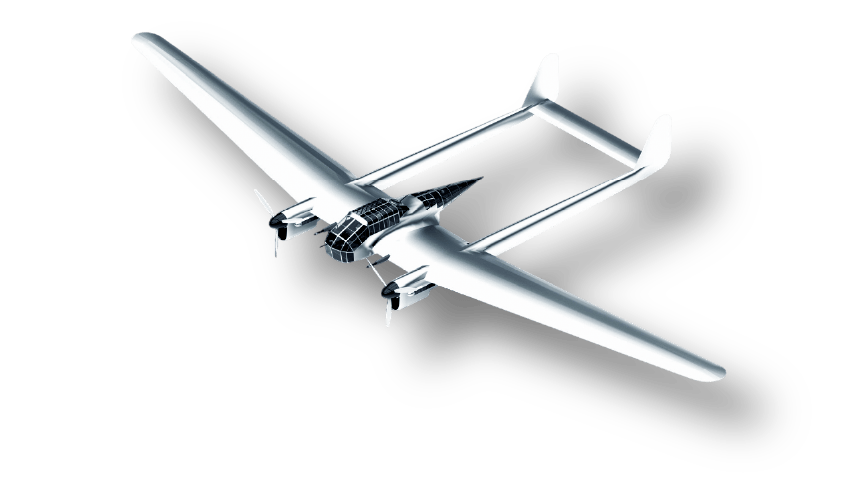
Custom CNC Drone Arms for UAV Frames Featured Image
  • Materials
    7075-T6 and 6061-T6
  • Arm design
    Pocketed one-piece arms
  • Inspection
    Checked on CMM to datums
  • Before machining
    Engineer DFM review

CNC-Machined Drone Arms for Multirotor Frames

We machine one-piece aluminum frame arms, arm root fittings, folding joints and motor-end fittings for industrial multirotor frames, made to your drawing in 7075 or 6061 aluminum. Frame arms belong to our structural UAV components family.

Our customers are airframe engineers at UAV OEMs building inspection, mapping, delivery, agricultural and heavy-lift aircraft, who design their own frame. Arms work together with our drone center plates and drone landing gear mounts.

Request a Quote
Product Intro Image

Drone frame arm designs we machine

Machined one-piece aluminum arms

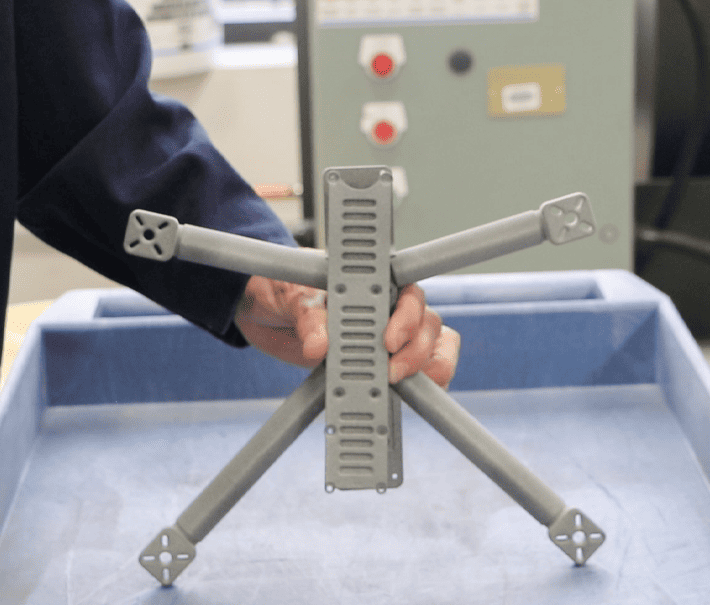
Pocketed 7075 or 6061 arms for quadcopter, hexacopter and octocopter frames, with the motor pad, cable channel and lightening pockets machined into one part. Integrating the motor pad removes a joint and keeps the motor axis tied to the arm’s datums.

Request a quote
Arm root fittings

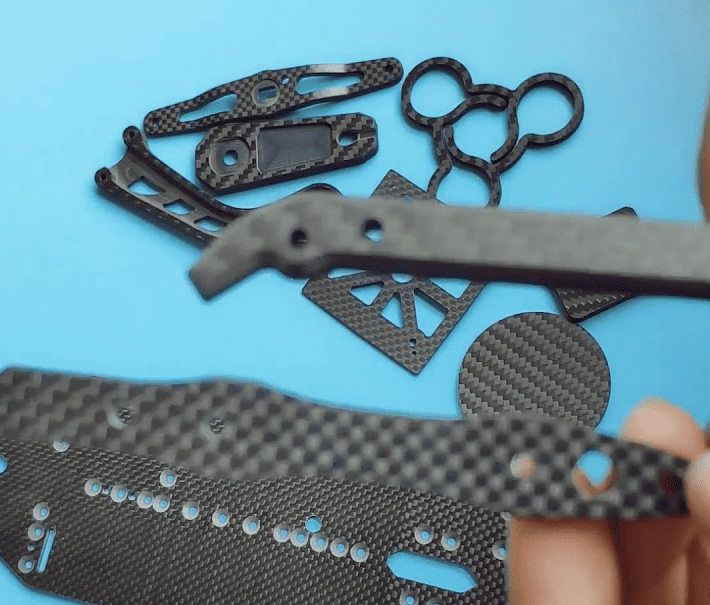
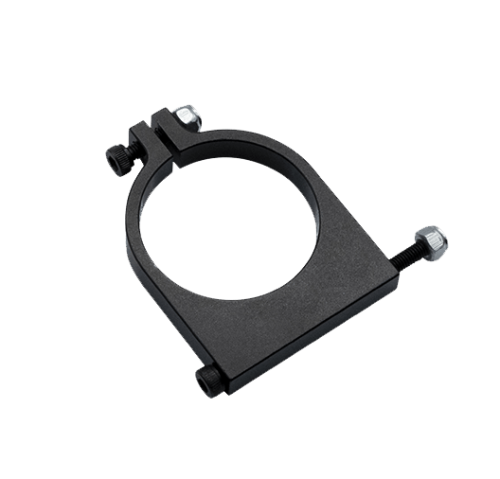
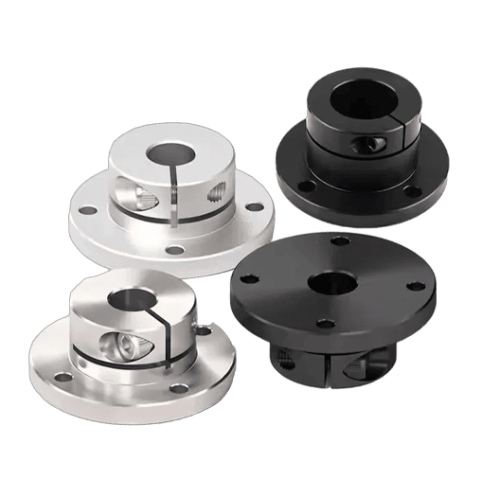
The arm-to-frame interface at the root, machined to your drawing. For airframes built on carbon tubes or plates with machined aluminum fittings, we machine the aluminum root fitting, with the tube OD set by your design.

Request a quote
Motor-end fittings

The fitting at the motor end of the arm, machined to your drawing in clamp or socket designs, with the tube OD set by your design on tube-built airframes. Our arm end connectors cover these clamp and socket designs in detail.

Arm end connectors
Folding arm joints

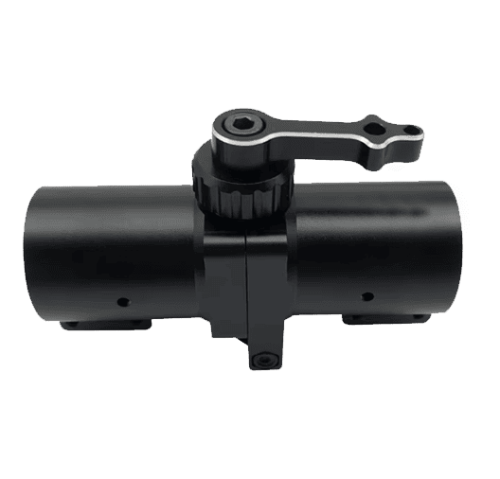
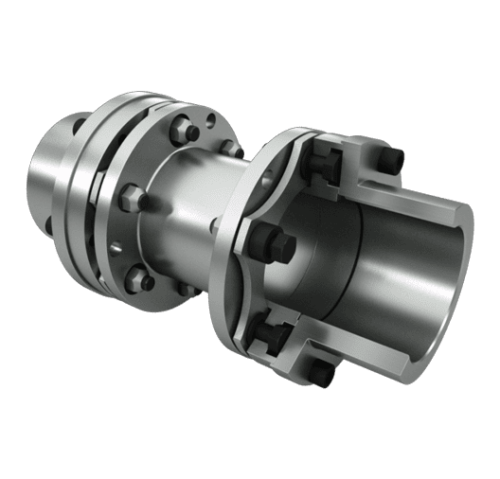
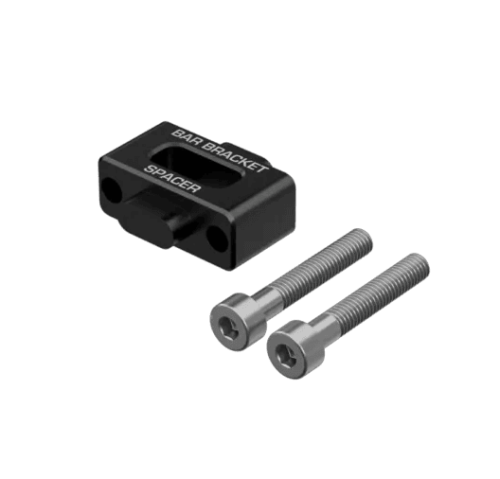
Hinge blocks, locking pins and detents for frames that fold for transport. The joint must lock without play in flight and open without tools in the field.

Folding mechanisms

Manufacturing Process & Quality

  • Material Selection Featured Image
  • CNC Machining Featured Image
  • Deburring & Cleaning Featured Image
  • Surface Finish Featured Image
  • Final Inspection Featured Image
Material Selection
Alloy and temper taken from your drawing: 7075-T6 or 6061-T6 aluminum for arms, Ti-6Al-4V for hinge parts and loaded fittings, stainless steel for pins and shafts.
CNC Machining
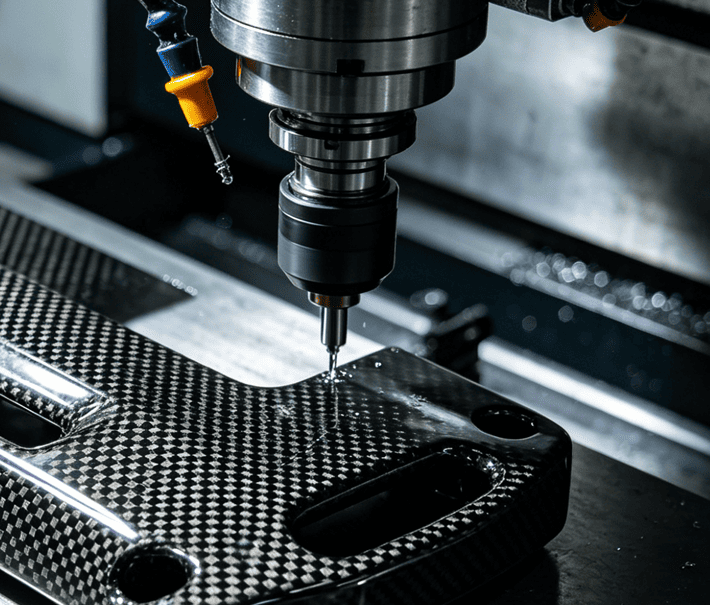
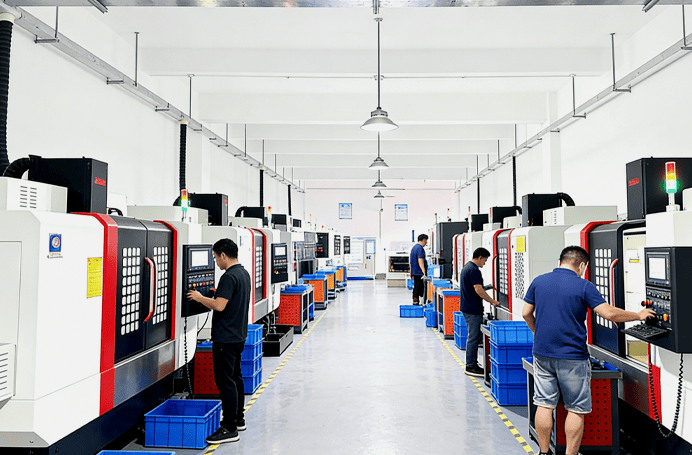
Arms machined from the same program for every batch, with roughing, stress relief between operations and balanced clamping so thin pocketed sections stay straight.
Deburring & Cleaning
Edges broken and cable exits deburred as the drawing calls out, then parts cleaned so bores, threads and mating faces are free of chips and oil before finishing.
Surface Finish
Hard anodizing (MIL-A-8625 Type III) at clamps and hinges, color-coded anodizing (Type II) to tell front arms from rear arms, and laser marking of arm position and part ID.
Final Inspection
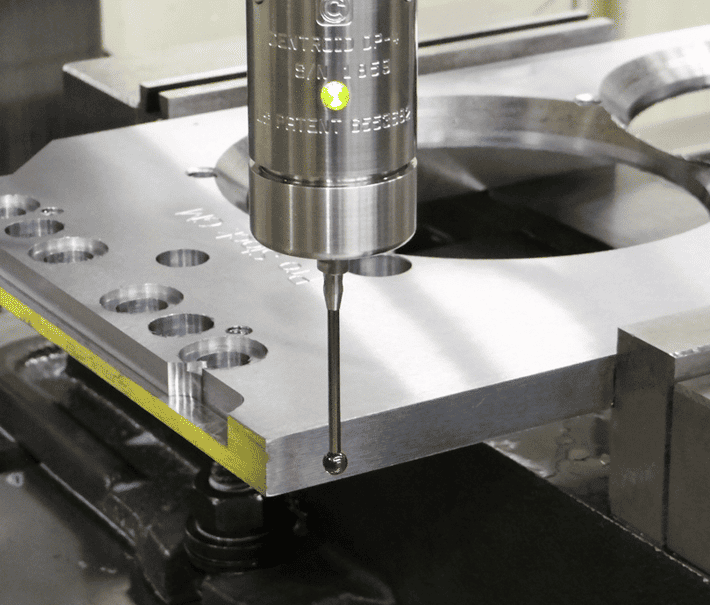
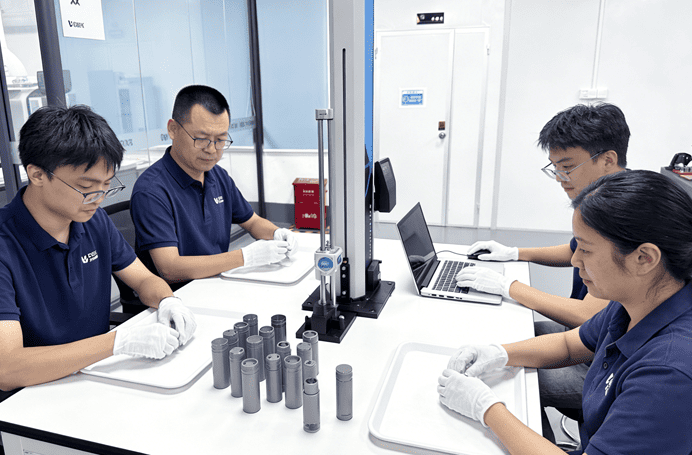
Hinge bore and pin fits, motor pad flatness and angle, and hole positions checked on CMM against the arm's datums, with one inspection plan for every batch.

Drone frame arms to your drawing

You specify the arm and we machine it to your drawing, from the first prototype arms to repeat production, from the same program and against the same datums.

Motor bolt pattern Icon
Motor bolt pattern
Arm length Icon
Arm length
Hard anodizing Icon
Hard anodizing
Laser marking Icon
Laser marking
Request a Quote
  • Motor bolt pattern Featured Image
  • Arm length Featured Image
  • Hard anodizing Featured Image
  • Laser marking Featured Image

Engineering choices for drone frame arms

Stiffness against weight

An arm that deflects under thrust tilts the motor and feeds vibration into the frame and the payload. Section height, pocket layout and wall thickness are the levers; the arm’s natural frequency should sit away from motor and propeller frequencies.

Arm length and propeller size

The arm length follows propeller diameter and clearance between rotors; longer arms need more section to keep the same stiffness.

Thin-wall pocketing

Deep pockets save weight but can distort the part as material is removed. Roughing, stress relief between operations and balanced clamping keep the arm straight.

Crash replaceability

On many industrial frames, arms are designed as the part that is replaced after a hard landing, with fittings that come off without disturbing the center plates.

Motor pad and cable routing

The motor pad is machined to your motor’s pattern and thread; for separate mounts, see drone motor mounts. Motor and ESC cables run inside a channel or hollow section, with deburred exits.
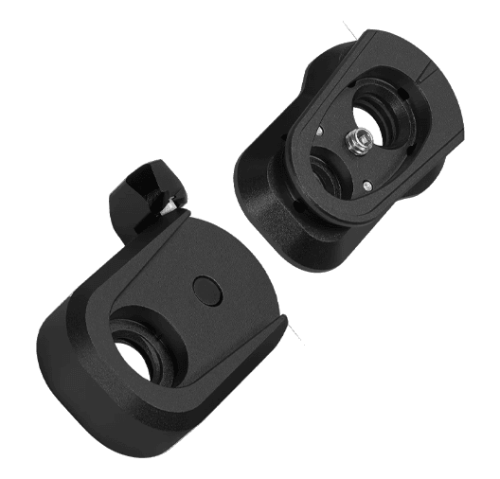
Galvanic isolation

On carbon tubes or plates with machined aluminum fittings, the joint between aluminum and carbon needs an insulating layer or sealant against galvanic corrosion.

Technical Specs

Specs Image
Parameter Specification
Part types One-piece aluminum arms, arm root fittings, folding joints, motor-end fittings
Frame types Quadcopter, hexacopter and octocopter frames
Materials 7075-T6 and 6061-T6 aluminum; Ti-6Al-4V (Grade 5) hinge parts; stainless steel pins
Finishes Hard anodizing (MIL-A-8625 Type III), color-coded anodizing (Type II), laser marking
Tolerances Per your drawing: ASME Y14.5 for flatness and hole position, ISO 2768 general
Critical features Hinge bore and pin fits, motor pad flatness and angle, motor and root hole position
Inspection CMM against the arm’s datums, same inspection plan for every batch
Quantities Prototype arms to repeat production
Files accepted CAD and drawing, formats to be confirmed
7075 or 6061 aluminum for drone frame arms?
7075-T6 gives the highest strength and stiffness for thin, pocketed arms; 6061-T6 costs less and resists corrosion better, which suits larger arms with more material.
Can you machine folding drone arm joints?
Yes, hinge blocks, locking pins and detents to your design, with controlled bore and pin tolerances.
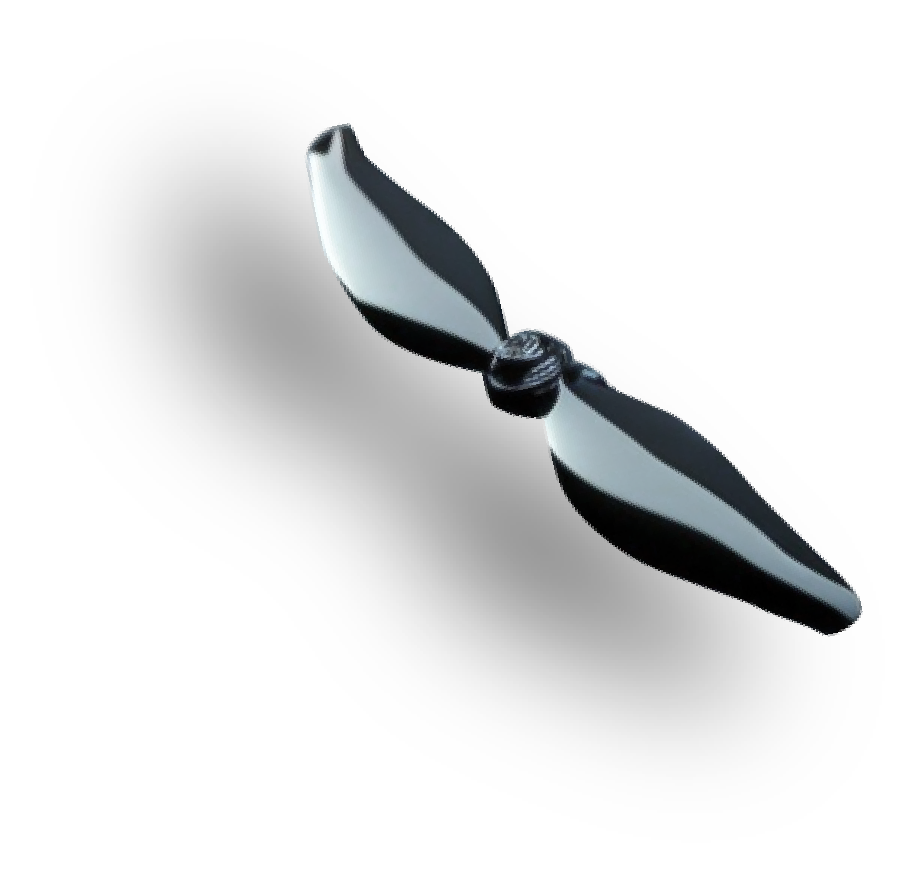
Do you supply arms with motors and propellers?
No. We machine the structural arm parts; motors, ESCs and propellers are sourced by you.
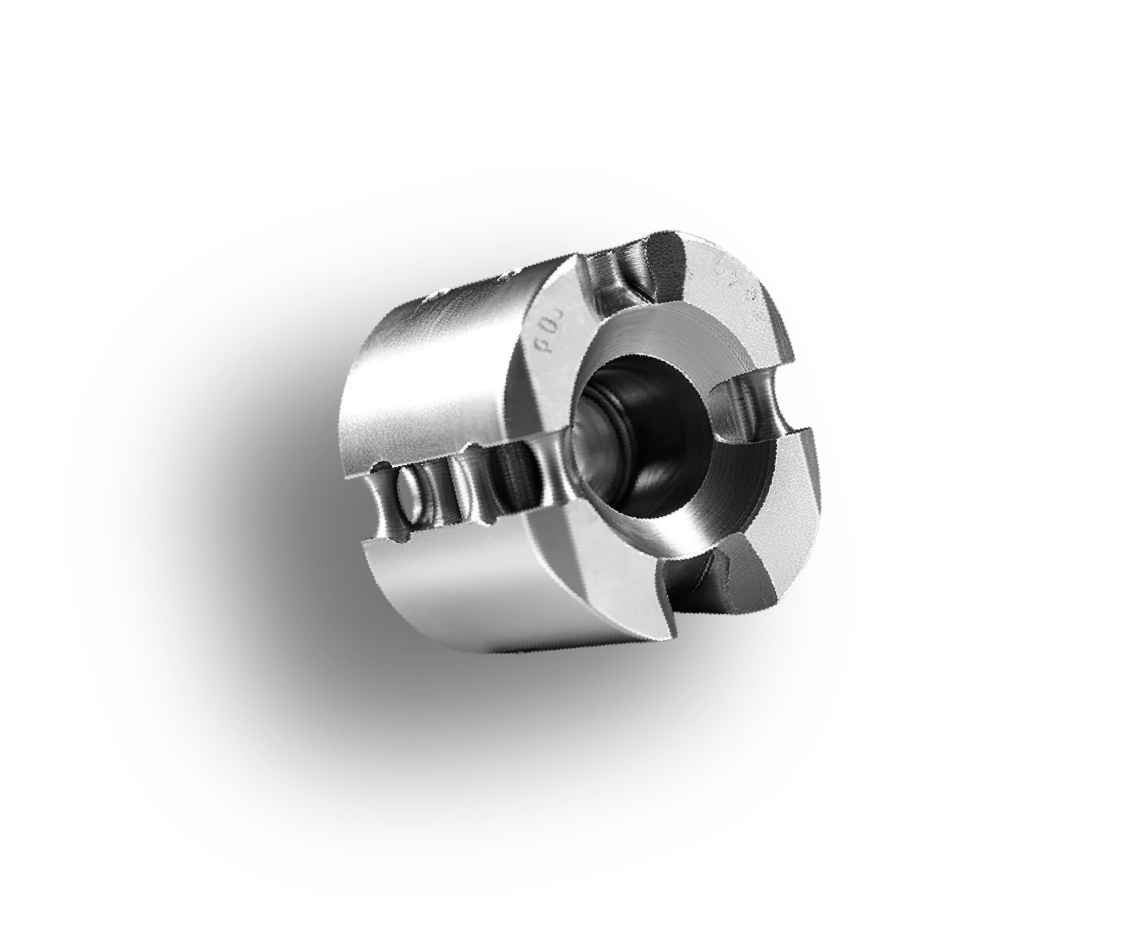
How do you match the motor bolt pattern at the arm tip?
We machine the motor pad to your motor's pattern and thread from your drawing.
What surface treatments do you provide for drone frame arms?
Hard anodizing (MIL-A-8625 Type III) at clamps and hinges, black or color-coded anodizing (Type II) to tell front arms from rear arms, and laser marking of arm position and part ID, as specified on your drawing.
What is the minimum order and lead time?
There is no minimum order quantity, and prototypes typically take 4 to 7 days after drawing approval.