Custom Drone Motor Mounts and Motor Bases Featured Image
  • Materials
    7075-T6 and titanium
  • Critical Feature
    Flat seat, square to the arm
  • Inspection
    CMM report on request
  • Engineering
    Engineer DFM review

Precision-machined drone motor mounts

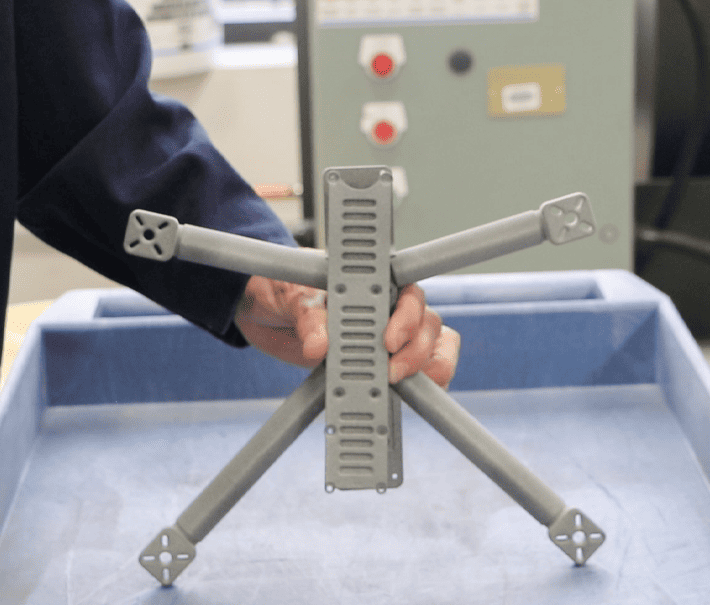
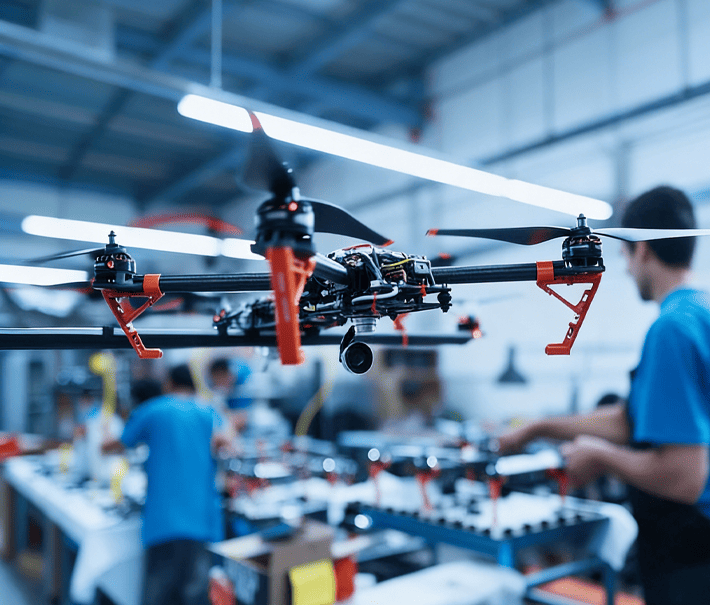
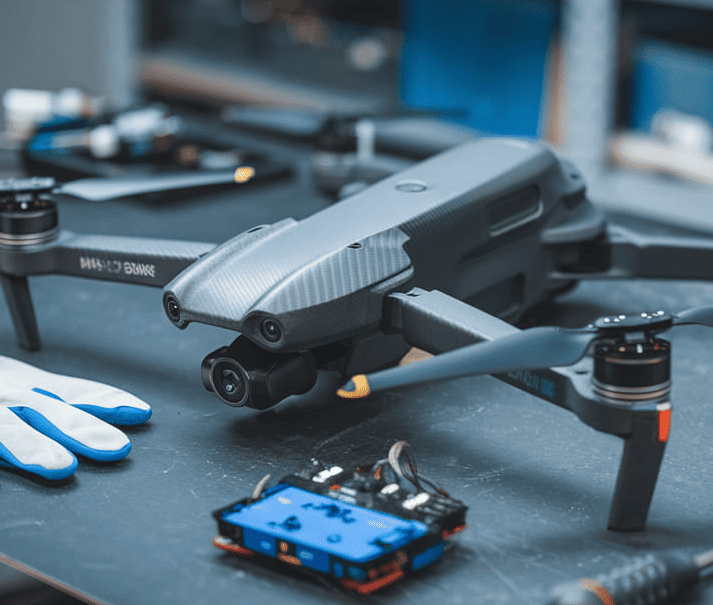
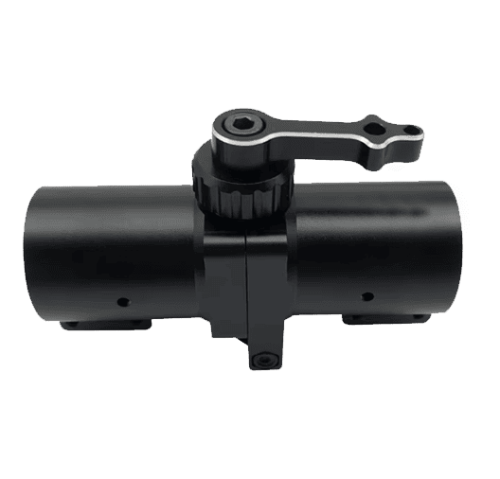
Each mount is machined from your drawing for industrial UAV programs, from flat motor bases to actuator mounts. Compared with a printed or generic mount, it gives a stiff, flat motor seat square to the arm, a heat path out of the motor base and the same geometry on every part of every batch.

We work in 7075 aluminum and titanium for UAV OEMs, from the first flight-test set to repeat production. Motor mounts belong to our structural UAV components family and to our motor and power system components.

Request a Quote
Product Intro Image

Drone motor mount types we machine

Flat motor bases and plates

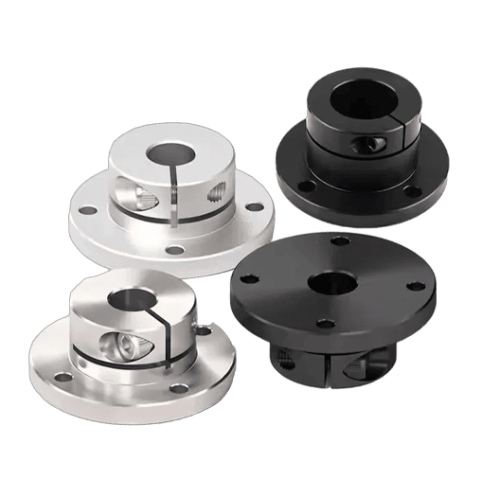
Plates that bolt directly to a machined arm or frame, with the motor pattern on one side and the arm pattern on the other, machined to your motor datasheet and arm drawing.

Request a quote
Arm-clamp motor mounts

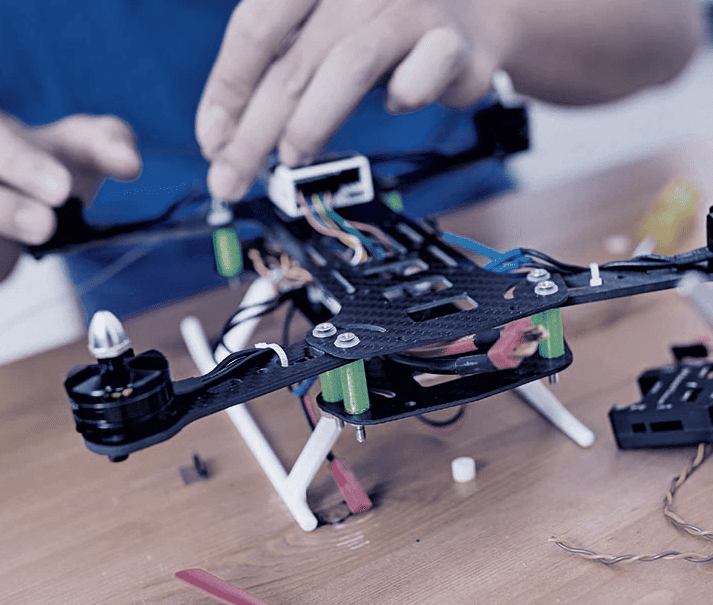
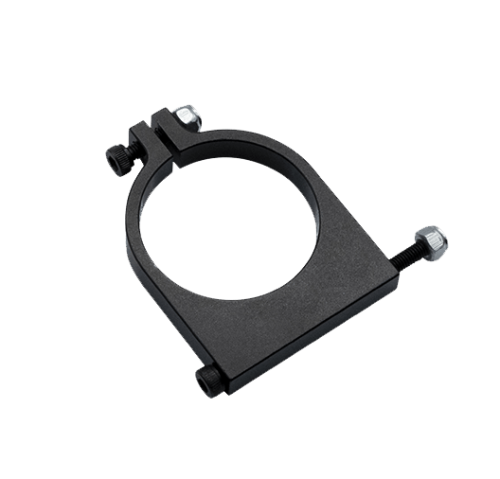
Mounts that clamp onto the arm, whether a machined aluminum arm or a tube, with a controlled bore and an anti-rotation feature so the motor cannot twist under torque. They pair with our drone frame arms.

Drone frame arms
Tilted or offset mounts

Mounts that set a thrust angle, for VTOL aircraft or for frame geometries where the motor is not parallel to the arm. Compound angles are cut with 5-axis CNC machining so the seat and the clamp share one setup.

5-axis machining
Mounts with ESC seat or fins

Mounts that carry the ESC or add cooling fins to the motor base, where an aluminum mount already acts as a heat sink. For dedicated thermal parts, see our ESC cooling plates.

ESC cooling plates
Actuator and servo mounts

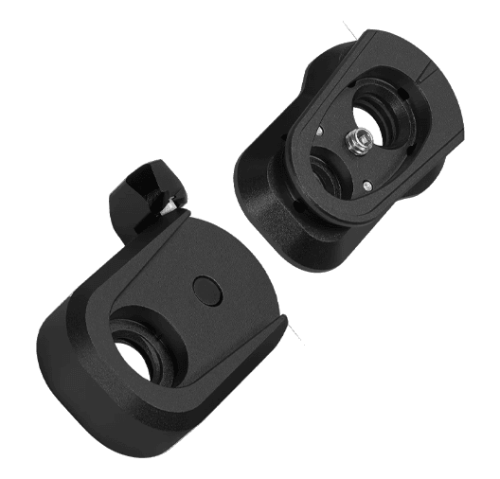
Brackets for tilt mechanisms, parcel release mechanisms and landing-gear actuators, machined to the actuator’s datasheet and your drawing, from flight-test sets to repeat production.

Request a quote

Manufacturing Process & Quality

  • Material Selection Featured Image
  • CNC Machining Featured Image
  • Deburring & Cleaning Featured Image
  • Surface Finish Featured Image
  • Final Inspection Featured Image
Material Selection
Alloy and temper taken from your drawing (7075-T6 and 6061-T6 aluminum first, titanium or stainless where the load asks for it), with material certificates available on request.
CNC Machining
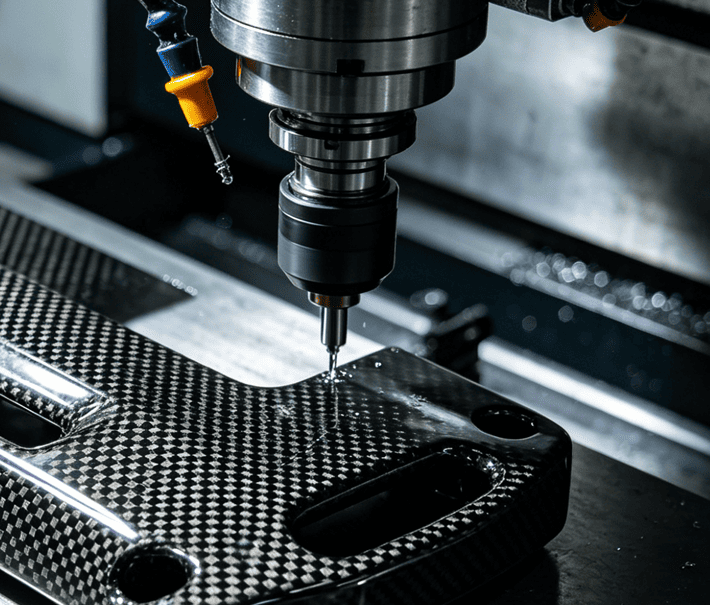
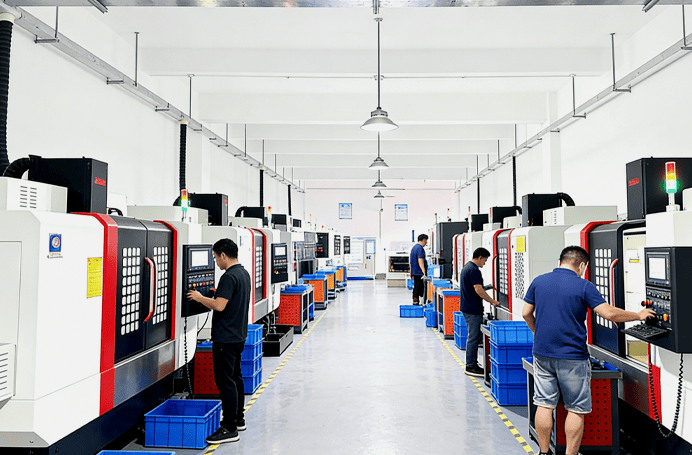
3-axis and 5-axis milling and CNC turning, with fixtures and toolpaths chosen for thin walls, flat seats and bolt patterns that must repeat from the first prototype to every batch.
Deburring & Cleaning
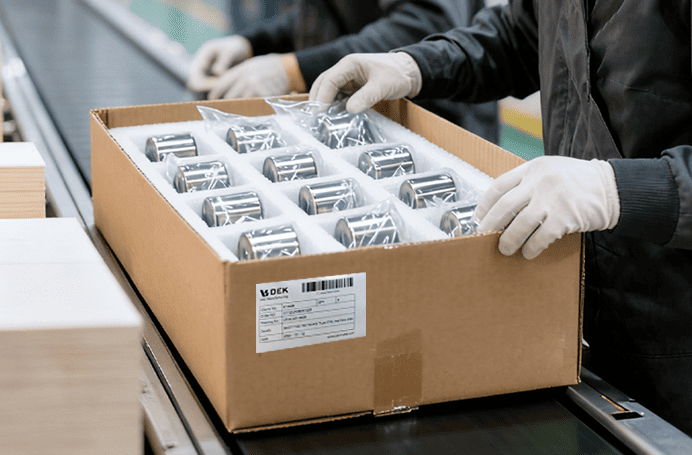
Edges broken and cable exits deburred as the drawing calls out, then parts cleaned so bores, threads and mating faces are free of chips and oil before finishing.
Surface Finish
Hard anodizing, black anodizing, chem film, electroless nickel or laser marking, applied as specified on the drawing, with masking of fits and threads where the callout requires it.
Final Inspection
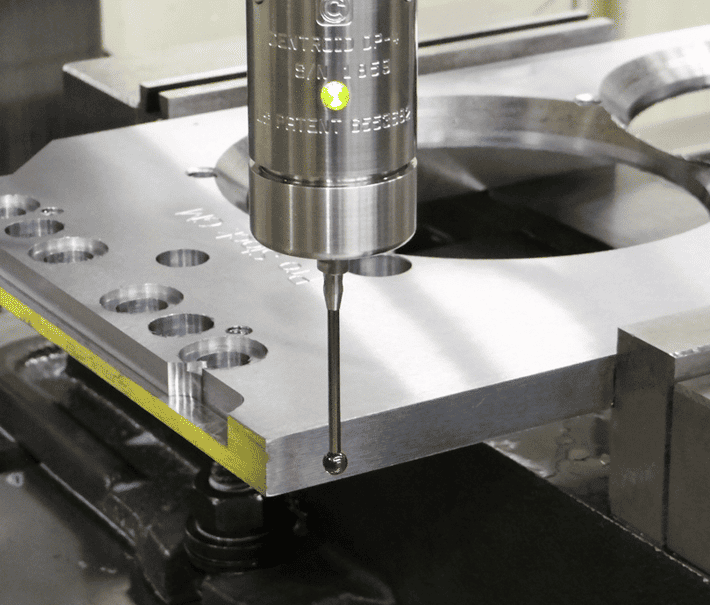
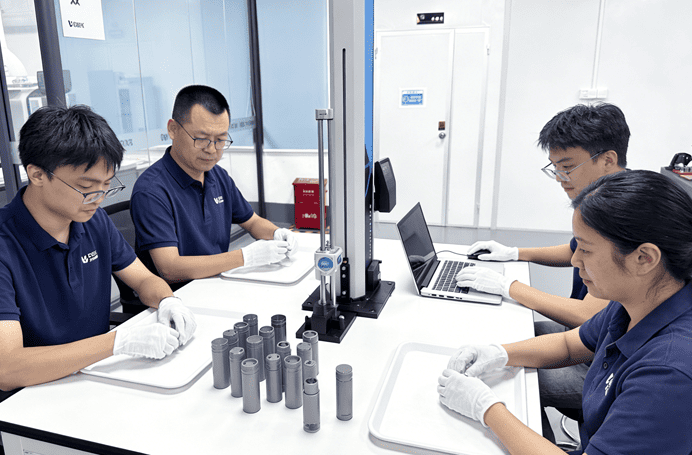
Motor seat flatness, perpendicularity to the arm or clamp bore and motor hole position checked on CMM against your drawing; CMM report on request.

Drone motor mounts to your drawing

Send your motor datasheet and arm drawing: we machine the bolt pattern, thread and center clearance, the arm interface and the finish your drawing calls out.

Motor bolt pattern Icon
Motor bolt pattern
Arm interface Icon
Arm interface
Thrust angle Icon
Thrust angle
Finish and marking Icon
Finish and marking
Request a Quote
  • Motor bolt pattern Featured Image
  • Arm interface Featured Image
  • Thrust angle Featured Image
  • Finish and marking Featured Image

Design points for drone motor mounts

Seat flatness and squareness

The motor seat must be flat and perpendicular to the arm axis, or the thrust line tilts and vibration rises. Both are called out on your drawing to ASME Y14.5 and checked on CMM.

Thermal path

An aluminum mount acts as a heat sink for the motor base; open or finned designs help further. Whole motor enclosures are covered by our motor housings.

Vibration and stiffness

A stiff mount moves resonance away from motor frequencies; where isolation is needed, add vibration damping mounts.

Weight and cable exit

Pocketing removes material where the load does not run. The exit for the motor leads is deburred, so insulation is not cut by an edge.

Galvanic isolation

Where a mount joins carbon tubes or plates with machined aluminum fittings, isolate the joint so the two materials are not in direct contact.

Machined or printed?

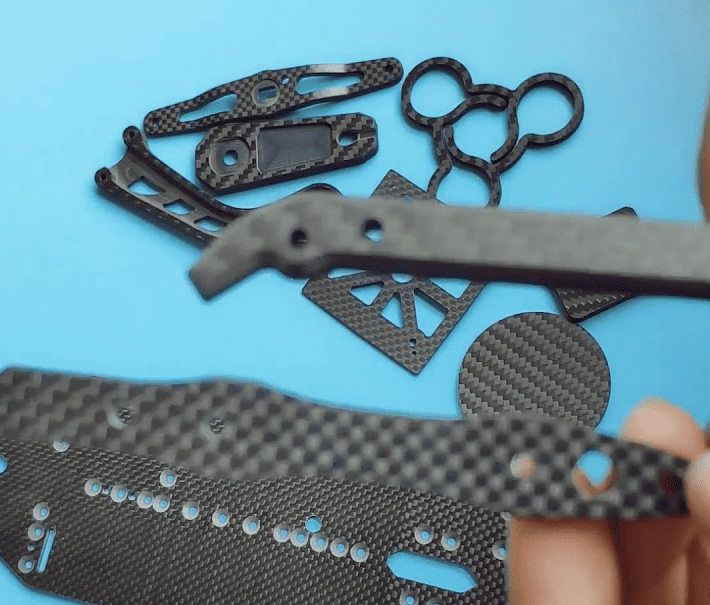
3D printing is fine for an early fit test. For production aircraft, machined aluminum or titanium gives higher stiffness, flat seats, better heat transfer and no creep near a warm motor. Motor background: guide to drone motors.

Technical Specs

Specs Image
Parameter Specification
Part types Flat bases, arm-clamp, tilted or offset, ESC-seat and actuator mounts
Materials 7075-T6 and 6061-T6 aluminum; Ti-6Al-4V (Grade 5); PEEK isolating spacers
Finishes Black anodizing (MIL-A-8625 Type II); hard anodizing (Type III) on clamp bores
Other finishes Chem film (MIL-DTL-5541) for grounding points; laser marking of motor position IDs
Bolt patterns 16 × 19, 25 × 25, 30 × 30 mm and larger bolt circles, verified against motor datasheet
Thread sizes M3 and M4 typical; screw length and center shaft clearance checked at DFM
Tolerances Drawing callouts to ASME Y14.5; ISO 2768 general tolerances elsewhere
Inspection Seat flatness, perpendicularity and hole position on CMM; CMM report on request
Quantities From first flight-test sets to repeat production
Can you machine a motor mount for any motor bolt pattern?
Yes, we machine the pattern, thread and center clearance from your drawing or the motor datasheet.
Are CNC-machined motor mounts better than 3D-printed ones?
For production drones, machined aluminum or titanium gives higher stiffness, flat seats, better heat transfer and no creep; 3D printing is fine for early fit tests.
Which material should I use for heavy-lift motor mounts?
7075-T6 aluminum is the usual choice; titanium where sections must be thin and loads are high.
Can the mount clamp directly onto the arm?
Yes, we machine clamp-type mounts to your arm or tube OD with a controlled bore and optional anti-rotation features.
Do motor mounts help with motor cooling?
Aluminum mounts conduct heat away from the motor base; fins or open designs can be added at the design stage.
Can you maintain tight tolerances after surface treatment?
Yes. The thickness of anodizing or plating is allowed for before machining, so bearing seats and bores are the right size once the finish is applied; critical bores can be masked where the drawing requires it.
How do you prevent sharp edges from cutting motor wires?
Wire exit holes and edges are deburred and chamfered as called out on the drawing, so the insulation of the motor leads is not cut.
What is the minimum order quantity?
There is no minimum order quantity: from prototypes to production runs.