Heavy Lift Drones: Structural Considerations for Payloads Over 200kg
Kim
Kim oversees complex DFM reviews and process planning. He specializes in tight-tolerance machining for drone gimbals, motor mounts, and propulsion systems, ensuring flight-critical precision and structural integrity.
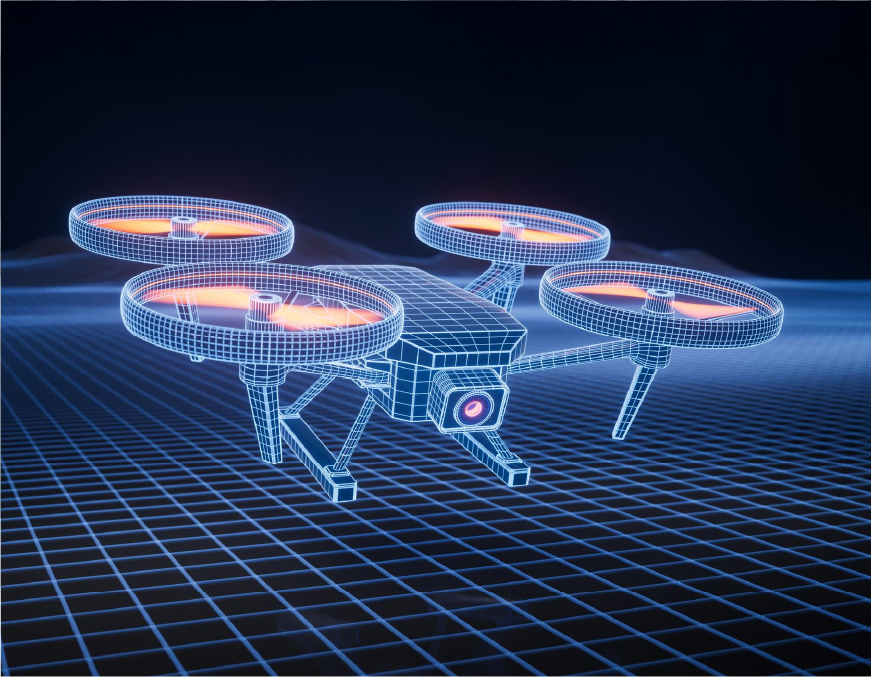
Heavy lift drones are changing how industries conduct their aerial operations. As demand increases across construction, logistics, and emergency response, structural design and material selection have become crucial.
This blog explains how heavy lift drones are designed to support ultra-heavy payloads, maintaining flight stability and efficiency.
What are Heavy Lift Drones?
It operates as an unmanned aerial vehicle that transports payloads that exceed the maximum weight capacity of conventional commercial drones. The platforms exist for load-bearing duty, which requires strong structural components and multiple propulsion systems that operate as a backup.
Maximum Capacity of Heavy Lift Drones
The highest payload capacity of heavy lift drones depends on three factors. These are airframe design, motor thrust, power system design, and structural integrity. The current heavy-duty lift drones can typically transport loads that range from 50 kilograms to 200 kilograms. The experimental and hybrid systems can carry more than these limits.
Structural requirements for payloads exceeding 200 kg demand frame reinforcement, vibration control, and weight distribution to be treated. In extreme load conditions, the drones maintain stability through dual motor systems and sophisticated flight control mechanisms.
Main Components of Heavy-Lift Drones
Heavy-lift drones are developed for payloads exceeding 200 kg. It needs tools that are designed around load paths, redundancy, and structural integrity. Every important system is created to diffuse stress evenly, prevent single-point failures, and retain safe flight during intense mechanical loads.
The following components are optimized specifically to manage high thrust forces, vibration, and prolonged high-power operation:
Airframe Structure
The airframe is created as the main load-bearing backbone. Reinforced aluminum, titanium, and carbon fiber composites are applied to survive bending, stress, and weakness produced by compact payload forces. Structural geometry is efficient in distributing loads in the frame, rather than concentrating stress at joints.
Motors and Propellers
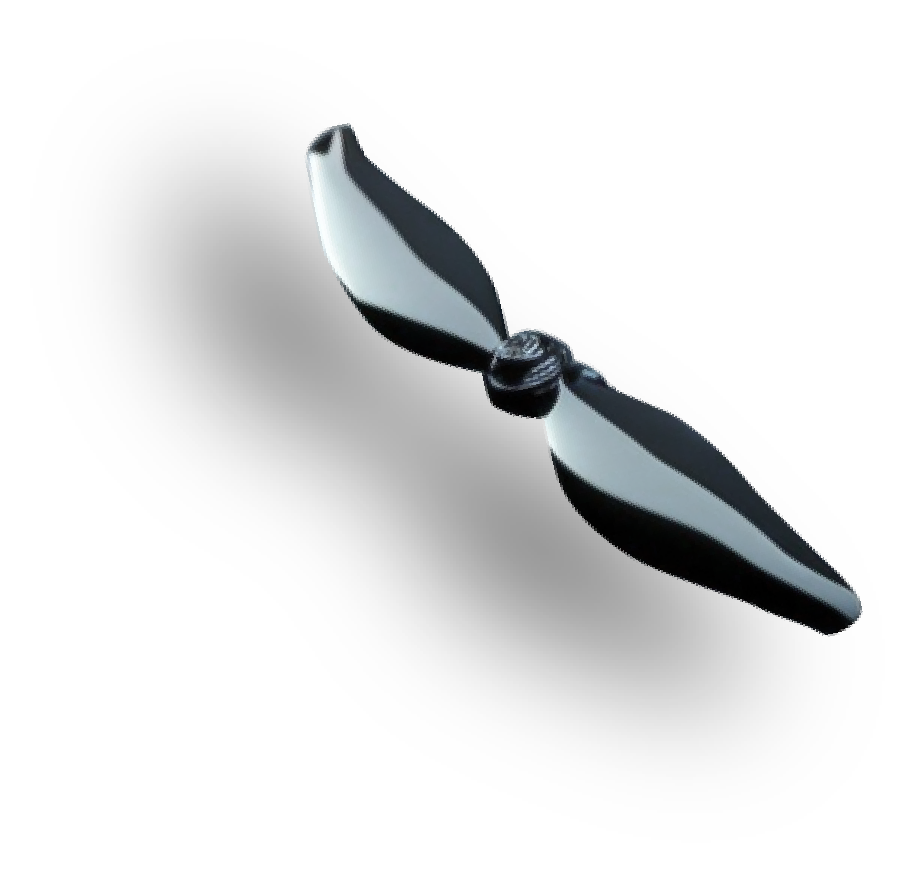
Heavy-lift drones use brushless motors, which have high torque and low KV rating, together with large propellers. The system achieves maximum lift at reduced engine speed, which results in decreased engine vibrations. They get better operational performance and protection against excessive load conditions. If they use smaller and faster motors, the heavy weight would harm the engine structure and frame during full-weight operation as well.
Electronic Speed Controllers
ESCs need to be built for their mission because they must control high electrical current loads without developing heat. The system maintains thrust output through redundant electrical pathways, thermal protection systems, and accurate motor control mechanisms. It becomes crucial when lifting items that weigh more than 200 kilograms.
Flight Controller
Advanced flight controllers handle load distribution and thrust coordination while they implement real-time stability corrections. The system’s special tuning enables it to handle heavy payload dynamics. They required handling inertia shifts to maintain accurate control during all flight stages from lift-off.
Power System
The system uses battery packs that have high capacity. Hybrid power modules to supply continuous high power while keeping voltage levels stable. The power system maintains operation through backup power sources, which stop equipment from shutting down during critical high-power usage periods.
Payload Mounts
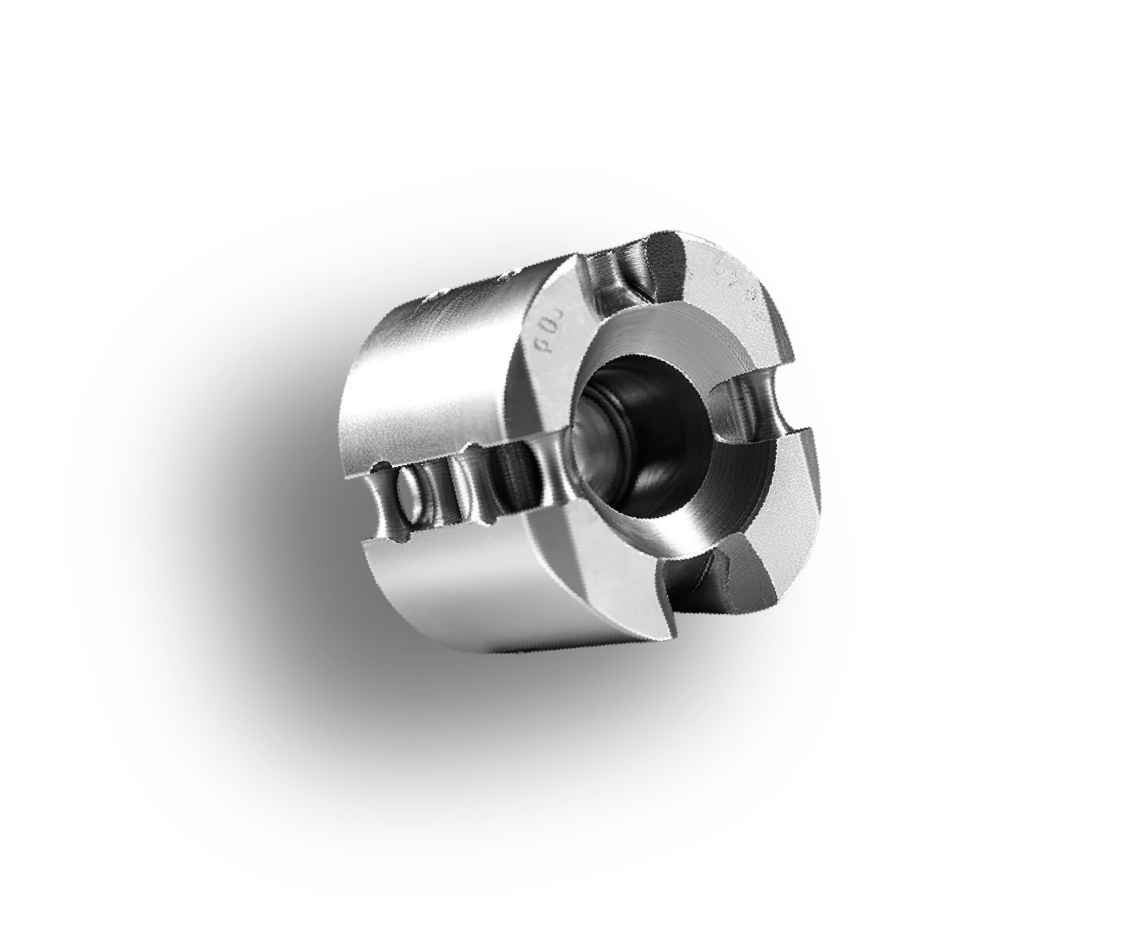
The payload interfaces use precision machining to create stable center-of-gravity positioning. The mounts create a protective barrier that stops micro-movement while they distribute payload weight throughout the aircraft frame.
Types of Heavy Lift Drones
Heavy-lift drones exist in various designs that engineers tailored to meet specific operational demands:
Hybrid-Powered Drones (Gas + Electric): Designed for long-range and extended endurance while carrying extreme payloads.
Large Electric Multirotor Drones: They provide vertical lifting and hovering capabilities, which construction and industrial operations need.
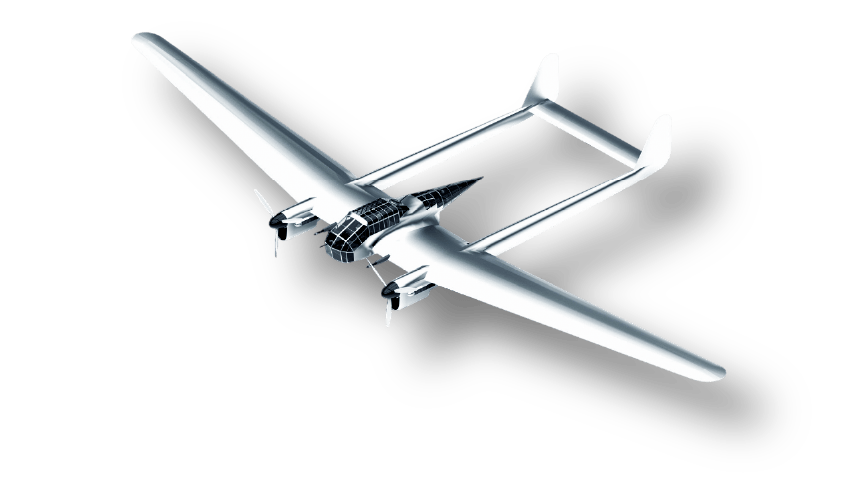
Fixed-Wing VTOL Drones: They can lift payloads vertically before flying long distances with their efficient forward flight capability.
Hybrid VTOL Drones: They can transport heavy loads while their design allows them to fly for extended distances.
Coaxial Rotor Drones: The drones achieve maximum lift performance through their design. They utilize counter-rotating propellers in both tight spaces and dangerous situations.
Advantages of Heavy Lift Drones
Heavy lift drones provide industrial and commercial operations with their superior ability to operate in various situations.
The system delivers three major benefits. It includes fast delivery of payloads to remote locations, accurate load placement, and reduced need for crane or truck operations.
Heavy lift drones reduce labor costs while increasing safety because they keep workers away from dangerous work areas.
The system delivers sustainable transport solutions that operate without consuming fuel-intensive resources.
Extreme load conditions require advanced flight control systems to maintain stable operation.
The system enables drones to perform their job of heavy-duty work, which requires repetition.
Limitations of Heavy Lift Drones
Heavy-lift drones experience specific operational boundaries that limit their performance abilities.
Maximum flight duration depends on the available battery power and fuel supply. It becomes especially limited when aircraft carry their full weight.
The mission operation range of helicopters and ground vehicles becomes limited through payload weight restrictions and size limitations.
Wind, precipitation, and temperature extremes create environmental conditions that can negatively impact system operation.
Regulatory compliance, which includes obtaining BVLOS approvals and airworthiness certifications, creates specific geographical restrictions for system deployment.
Material Selection for Extreme Loads
7075-T6 vs. 6061 Aluminum
7075-T6 aluminum exhibits better strength-to-weight performance and fatigue resistance when compared to 6061. It makes it suitable for use in aircraft structures that experience high levels of stress. The material 6061 serves better for non-critical structural applications because it offers easier machining and better resistance against corrosion.
Titanium Grade 5 (Ti-6Al-4V)
Titanium Grade 5 exhibits high tensile strength combined with low density and exceptional resistance to corrosion. The material serves as motor mounts, load-bearing frames, and critical joints. It enables heavy-lift drones to transport maximum payloads without increasing their weight.
Carbon Fiber Reinforcement
Carbon fiber composites provide exceptional stiffness, which enables them to dampen vibrations while maintaining very low weight. Carbon fiber materials serve to strengthen spars, braces, and outer shell panels. It enables better payload performance and lower structural fatigue during extended operational periods.
Machining the Airframe Backbone
Monolithic Construction
Monolithic airframe designs create fewer parts, which results in fewer connection points that enhance structural strength. It reduces total weight and makes the assembly process easier and the maintenance process faster.
Topology Optimization
The process of advanced CAD-based topology optimization enables users to eliminate unnecessary materials while preserving strength attributes. Due to this, it decreased the weight and improved the payload performance. This method serves as an essential requirement for drones that transport weights exceeding 200 kilograms.
Thin-Wall Machining
Thin-wall machining techniques enable the accurate production of lightweight structural components that maintain their structural strength during the manufacturing process. The system delivers strength-to-weight efficiency for all essential load-bearing pathways.
Critical Payload Interface Points
Machined Mounting Rails
The rails have been designed with precision machining to create a strong connection point. It allows payloads to be securely attached while maintaining proper alignment and decreasing stress in critical areas. The design maintains flight stability through its high-quality tolerances, which stop any movement during flight operations.
Quick-Release Systems
The quick-release systems enable operators to switch payloads rapidly, which improves their operational productivity. It also provides flexible mission capabilities that are vital during both emergency situations and industrial operations.
Weight Distribution
Flight stability requires proper weight distribution to maintain the center of gravity and thrust-to-weight ratio efficiency. Payload mounting systems achieve their design purpose by maintaining the center of gravity. It optimizes performance through proper thrust-to-weight ratio distribution.
Vibration & Harmonics Management
Motor Mount Rigidity
Rigid motor mounts decrease torsional flex and avoid power loss, confirming consistent lift under heavy payloads.
Damping Structures
The system uses integrated damping materials together with structural elements to reduce motor and propeller vibrations. It leads to better flight stability and decreased structural wear over time.
Surface Finish & Fatigue
The surface finish of high-quality materials prevents the formation of stress risers. It increases the fatigue lifespan of materials while preserving the airframe’s reliability during repeated high-load operations.
Thermal Management of High-Voltage Systems
Integrated Heat Sinks
Heavy lift drones create substantial heat for their high-voltage systems, which occurs most intensely when motors reach their maximum power consumption. The system uses integrated heat sinks to efficiently dissipate this energy.
It protects battery packs, ESCs, and power distribution boards from thermal overload. The system trusts its heat-sinking technology to maintain operational safety and stability during lengthy heavy-lift operations.
Thermal Paths
The system uses thermal paths to transfer heat away from components by employing conductive materials and specially designed airflow channels. This system reduces hotspot formation to maintain steady performance during peak payload operations.
Real-World Applications for 200kg Heavy Drones
Heavy-lift drones, which can carry loads exceeding 200 kilograms, have found increasing usage in industrial logistics, infrastructure construction, disaster response, and defense operations.
The system provides heavy equipment to locations that are remote and at high elevations, while it supports modular construction processes. It carries out supply missions to places where conventional transportation systems cannot operate safely.
Challenges in Heavy-Lift Drone Engineering
The development of drones that can carry payloads exceeding 200 kilograms requires engineers to handle multiple difficult tasks. It includes controlling structural forces and vibration harmonics, maintaining power efficiency, and achieving stable flight performance during dynamic load changes.
Designers need to handle three critical areas, which include power system thermal buildup, redundancy planning, and fatigue resistance design. They can create systems that will function consistently through multiple extreme weight operations.
Conclusion
Heavy lift drones provide efficiency in transporting large payloads. They enable cost savings and risk reduction while reaching areas that remain inaccessible. Their advanced materials, high-performance motors, and optimized designs create essential requirements for modern industrial, commercial, and emergency applications.
DroneCNCParts provides accurate components for heavy-lift drones, securing excellent performance and reliability. Partner with us to build your next-generation heavy-lift drone with CNC-machined airframes, high-voltage power systems, and expertly integrated payload solutions.
FAQs
How long can heavy-lift drones fly with a full payload?
Flight times change by drone type, battery capacity, and payload. Multi-rotor heavy-lift drones typically deliver in 15–30 minutes, while hybrid VTOL and fuel cell systems can extend 30–90+ minutes.
How much does a heavy lift drones cost?
Entry-level models (5–10 kg payload) range $5,000–$15,000, while professional drones (10–25 kg) cost $20,000–$50,000. Industrial/custom platforms (25–200+ kg) can reach $250,000+, with specialized systems exceeding $500,000.
What motors does a heavy lift payload drone use?
High-performance brushless DC (BLDC) motors are standard. They offer high-quality, efficient power delivery and durability for extreme payloads. It is often paired with large propellers or hybrid propulsion systems for maximum lift.